
When comparing home care and hospital beds, many B2B buyers focus first on the unit price and the number of electric functions. This seems logical, but it's a comparison that often leads to higher long-term costs and operational problems. The real starting point is not the price tag; it's the environment the bed will have to survive in.
A buyer might ask for a quote on a "three-function electric bed," assuming all such beds are the same. From a supplier's perspective, this question is incomplete. The correct recommendation depends entirely on whether that bed needs to serve one person for years in a quiet home, or twenty different patients in a single year within a busy hospital ward.
For B2B buyers, the main difference between a home care bed and a hospital bed is the intended operational environment, not just the price. Key factors to check are the bed's frame construction for institutional durability, the caster and brake system for staff mobility needs, the surface materials for compatibility with cleaning protocols, and the design's alignment with safety standards for your specific care setting.
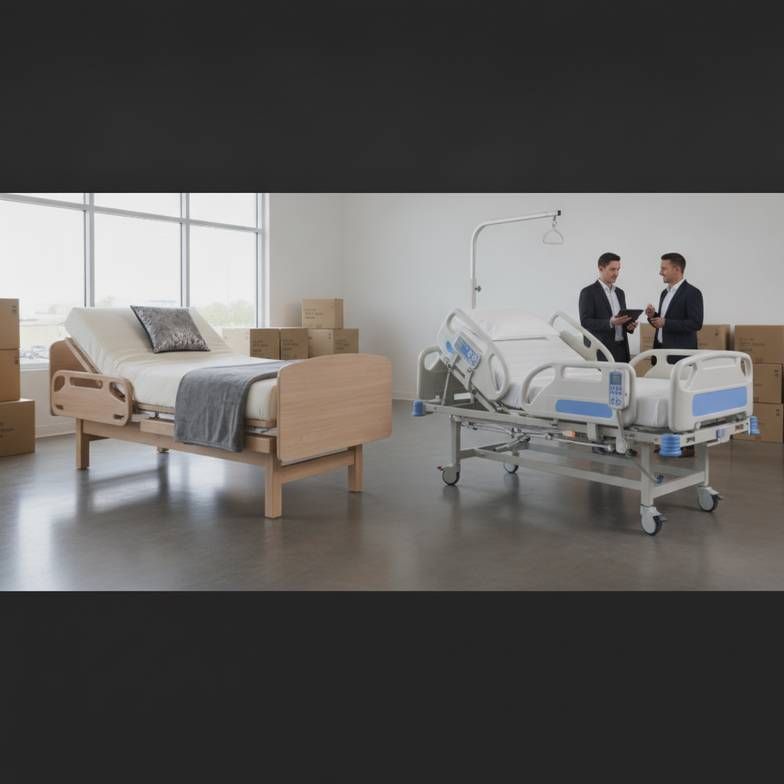
These two bed categories are engineered for completely different worlds. One is a piece of furniture designed for a domestic setting with low-intensity use. The other is a piece of medical equipment built for a high-intensity, 24/7 institutional environment. Understanding this distinction is the first step to making a sound procurement decision.
Why Is the Care Environment the First Factor to Check, Not Price?
The most common mistake is to view a home care bed as just a cheaper, less robust version of a hospital bed. This overlooks the fact that they are designed with different priorities.
A home care bed is built for a single user in a predictable, low-traffic environment. Design choices often prioritize a less "clinical" look, using materials like wood-grain panels to blend with home decor. The assumption is that it will be used by one person and cleaned with standard household products.
A hospital bed, by contrast, is built for an unpredictable, high-traffic institutional environment. It must withstand:
- High Patient Turnover: Being used by many different patients of varying weights and mobility levels.
- Frequent Transport: Being moved daily by staff for cleaning, patient transfers, or repositioning within a facility.
- Aggressive Cleaning: Being subjected to harsh chemical disinfectants between each patient to align with facility cleaning protocols.
Before looking at any product specifications, I would ask a buyer to define their environment. Is it a high-turnover acute care ward, a stable long-term care facility, or a rental fleet for home use? The answer to this question narrows down the product category far more effectively than price.
How Do Construction and Motors Affect Long-Term Reliability?
Looking at two beds that both offer head, foot, and height adjustment, it is easy to assume they are functionally equivalent. The real difference in long-term reliability is in the components you cannot see in a photograph.
A hospital bed is constructed more like industrial equipment. This means:
- Heavier Frame: It typically uses a heavier gauge of steel and more robust welds to handle higher patient loads and the stresses of frequent movement.
- Higher Duty Cycle Motors: The motors (actuators) are designed for a higher duty cycle. This means they are built to handle the hundreds of adjustments per week that might occur in a busy ward, performed by multiple staff members. A motor designed for home use may not withstand this frequency and could wear out prematurely in an institutional setting.
A home care bed's construction is perfectly adequate for its intended use but is not engineered for the same level of constant, heavy-duty operation. When you receive a quotation, ask about the maximum patient weight for institutional use and the warranty terms for the motors and frame. A supplier's warranty policy for commercial use is often a good indicator of the product's intended durability.
What Bed Mobility Features Actually Matter for Staff Workflow?
For any facility where beds are moved, the caster and brake system is a significant feature that directly impacts staff efficiency and safety. This is one of a hospital bed's most important, and often overlooked, advantages.
- Hospital Beds: These are typically equipped with large, durable casters (e.g., 125mm or 5 inches in diameter) that roll smoothly over different floor surfaces and thresholds. Most importantly, they often feature a central braking system. This allows a nurse or porter to lock or unlock all four wheels instantly by stepping on a single bar at the foot of the bed. This is essential for quick, safe positioning and transport.
- Home Care Beds: These may have smaller casters (e.g., 75mm or 3 inches) with individual locks on two wheels, or sometimes no casters at all. Locking each wheel individually is time-consuming and impractical in a fast-paced environment where a bed might be moved multiple times a day.
Before comparing two quotes, I would ask both suppliers for the caster diameter and the type of braking system. If your staff will be moving beds for room cleaning or patient transport, a central braking system is not a luxury; it's a key feature for operational workflow.
Which Design Differences Impact Cleaning and Safety?
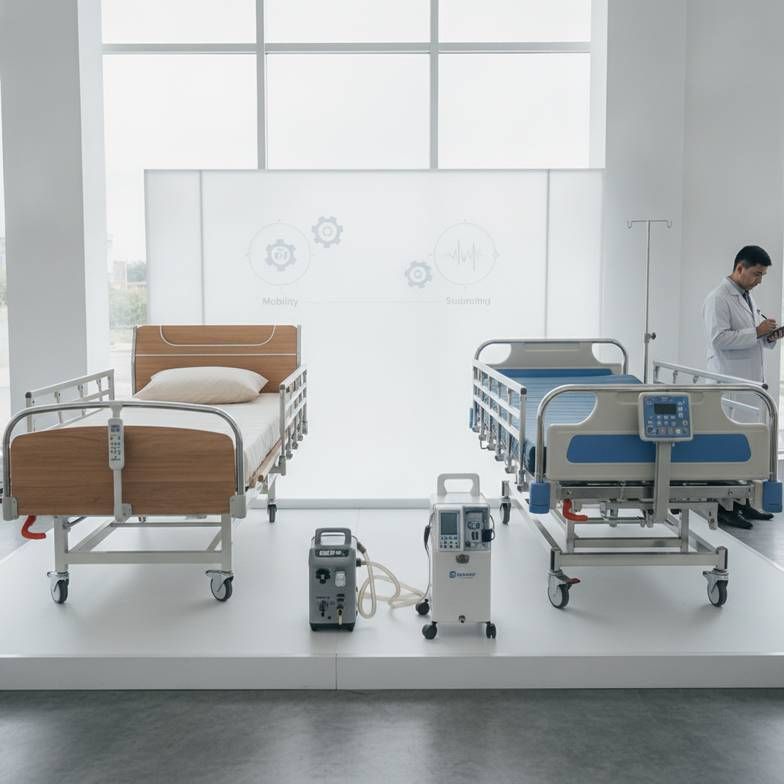
The "clinical" look of a hospital bed is not an aesthetic choice; it is a direct result of functional requirements for infection control and safety.
For cleaning, the smooth, non-porous surfaces of a hospital bed, often made from ABS or PE plastics, are deliberate. They are designed with smooth surfaces and few seams, making them easier to clean thoroughly and reducing areas where contaminants could accumulate. Importantly, these materials are chosen for their ability to withstand the strong chemical disinfectants used in hospitals—cleaners that could damage or discolor the wood-grain laminates often found on home care beds.
For safety, the design considers both the patient and the caregiver.
- Height Range: Hospital beds often have a wider height adjustment range. They can go higher to create a more ergonomic working height for caregivers, which can help reduce back strain. They can also go very low to the floor to help reduce the risk of injury if a patient at risk of falls rolls out of bed.
- Side Rails: The design of side rails on hospital beds is a careful balance between preventing falls, providing a grip for the patient to reposition themselves, and avoiding risks of entrapment. Designs are often guided by standards like IEC 60601-2-52, which addresses potential safety hazards.
When evaluating a bed, confirm that its materials are compatible with your facility's required cleaning agents. You can also ask the supplier which safety standards the bed's design considers for your target market.
Checklist: Preparing an Inquiry for a Truly Comparable Quotation
Sending a vague inquiry like "price for electric beds" will result in quotations that are difficult or impossible to compare. To get a useful response, you need to provide your requirements first. Use the checklist below to define your needs and ask suppliers for the right information.
| Feature / Specification | Typical Home Care Bed Design | Typical Hospital Bed Design | What B2B Buyers Should Check |
|---|---|---|---|
| Frame Construction | Lighter gauge steel for a single user. | Heavier gauge, reinforced steel for high turnover and higher loads. | Ask for the max patient weight and warranty for institutional use. |
| Mobility & Brakes | Small casters (e.g., 75mm) with individual locks, or none. | Large, durable casters (e.g., 125mm) with a central braking system. | Confirm caster diameter and braking type; assess against your transport frequency. |
| Infection Control | May use wood-grain panels; not designed for harsh chemicals. | Uses non-porous ABS/PE; designed for institutional disinfectants. | Ask for recommended cleaning agents and material chemical resistance. |
| Motors & Actuators | Lower duty cycle for less frequent adjustments. | Higher duty cycle for repeated, 24/7 adjustments by staff. | Inquire about the motor's warranty and suitability for a multi-user environment. |
| Height Adjustment | Standard range, may offer a "low" position. | Wider range for caregiver ergonomics (high) and patient safety (low). | Check the min/max height from the floor to the mattress platform. |
| Side Rails | Often residential in look, focused on fall prevention. | Designed to balance fall prevention, patient assist, and entrapment standards. | Ask which safety standards the side rail system is designed to meet. |
How to Prepare Your Inquiry
To receive a quotation that fits your facility's needs, it helps to prepare a brief summary of your requirements first. Before contacting a supplier, try to define:
- The Intended Care Environment: Is this for a high-turnover hospital ward, a long-term nursing home, or a distribution/rental business?
- Operational Needs: How often will beds be moved by staff? What are your facility's cleaning and disinfection protocols?
- Key Features: Based on your environment, what is most important? Is it a low-height feature for fall prevention, a central braking system for transport, or a specific side rail configuration?
- Included Items: Clarify if you need a quotation that includes a mattress, IV pole, or other accessories.
Sending these details with your inquiry allows a supplier to provide a relevant recommendation and a quotation that accurately reflects a product suited to your operational needs.
Written by
CareFurnex Team
CareFurnex Team shares practical knowledge about hospital beds, patient room furniture, medical trolleys, clinic furniture, and healthcare facility procurement for international B2B buyers.
Related Products
Hospital Beds
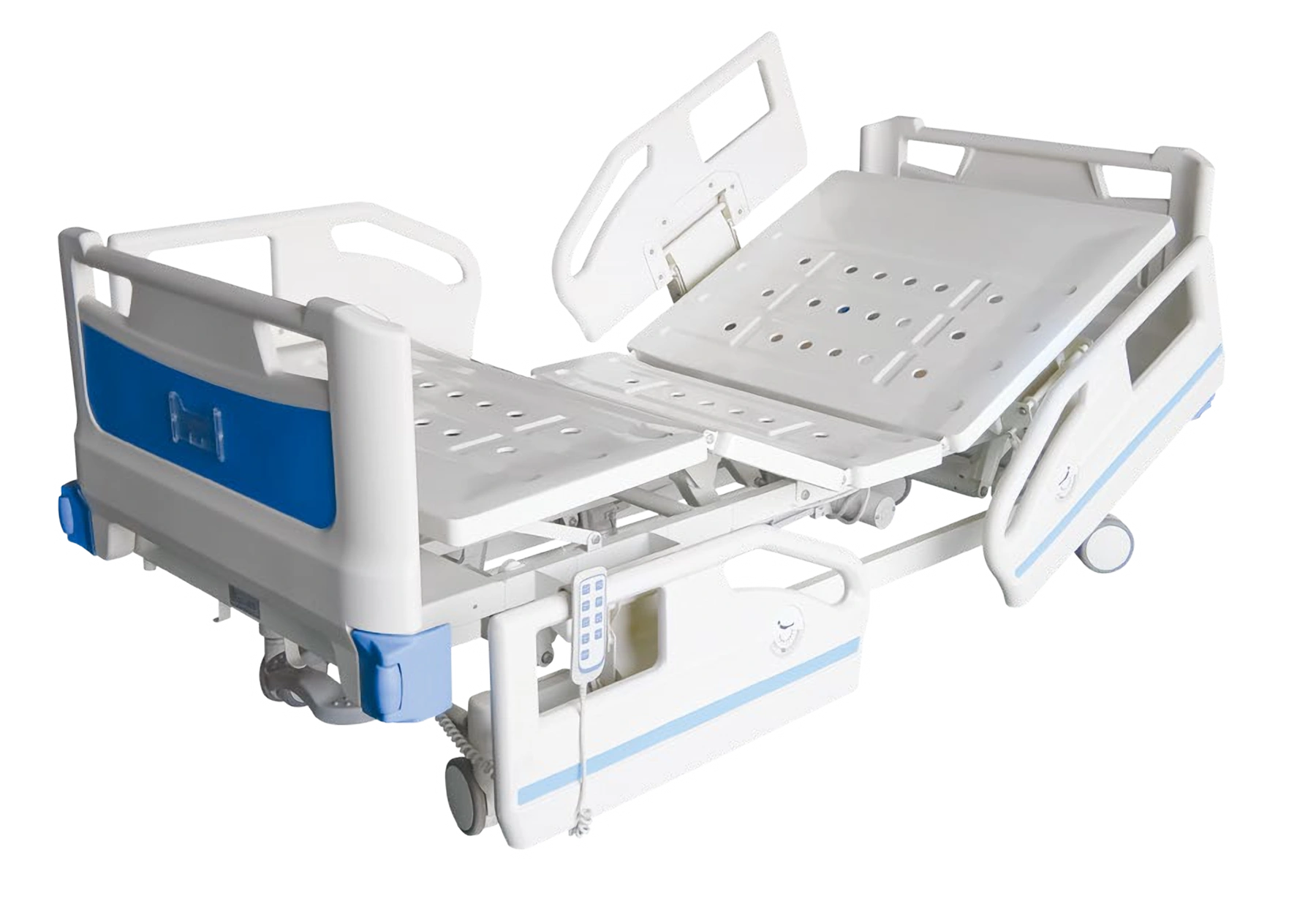
General-purpose patient beds for inpatient wards and standard hospital rooms.
View product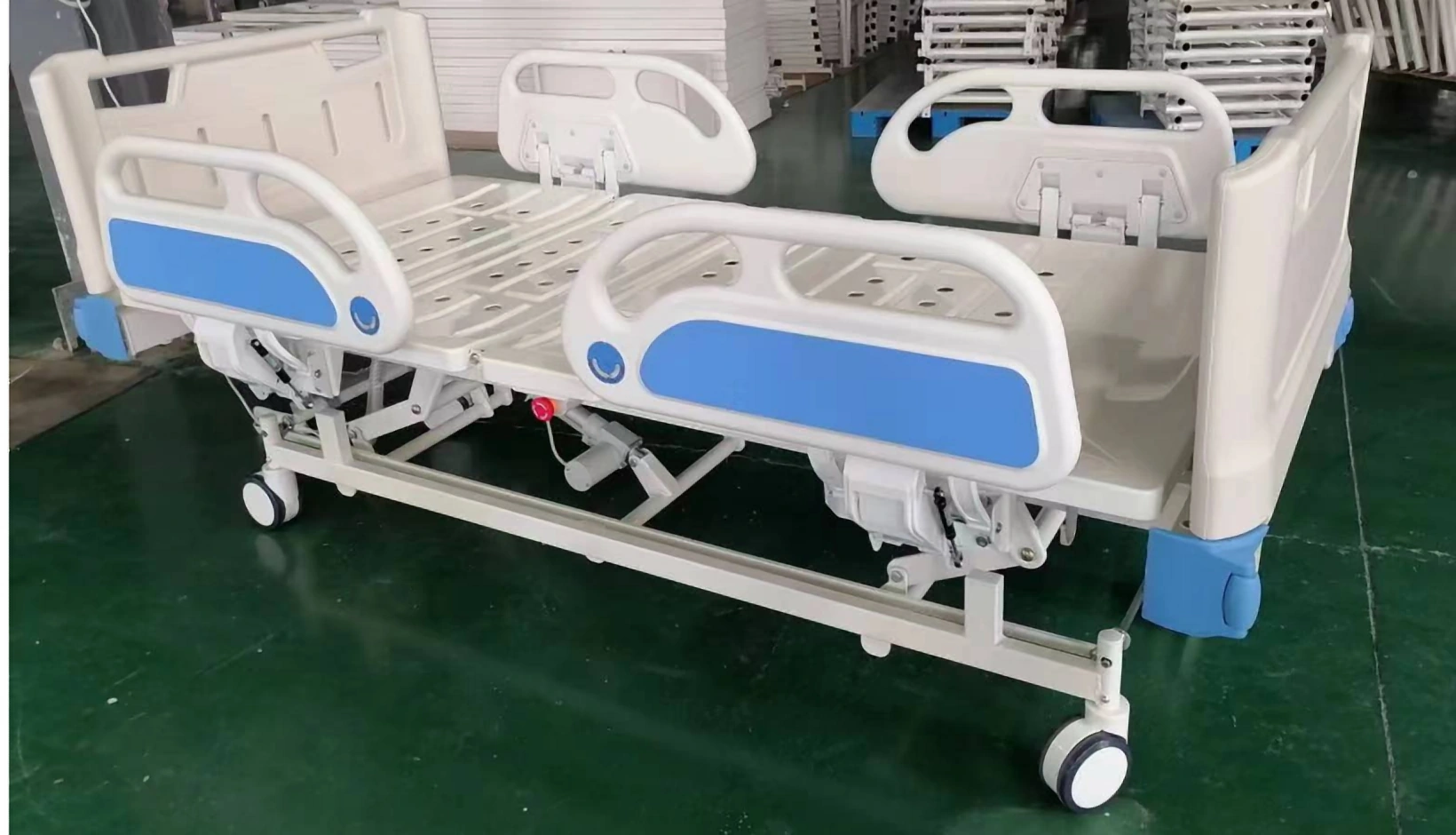
Electric Hospital Beds
Motorized multi-function beds with electric height, backrest, and leg adjustment options.
View product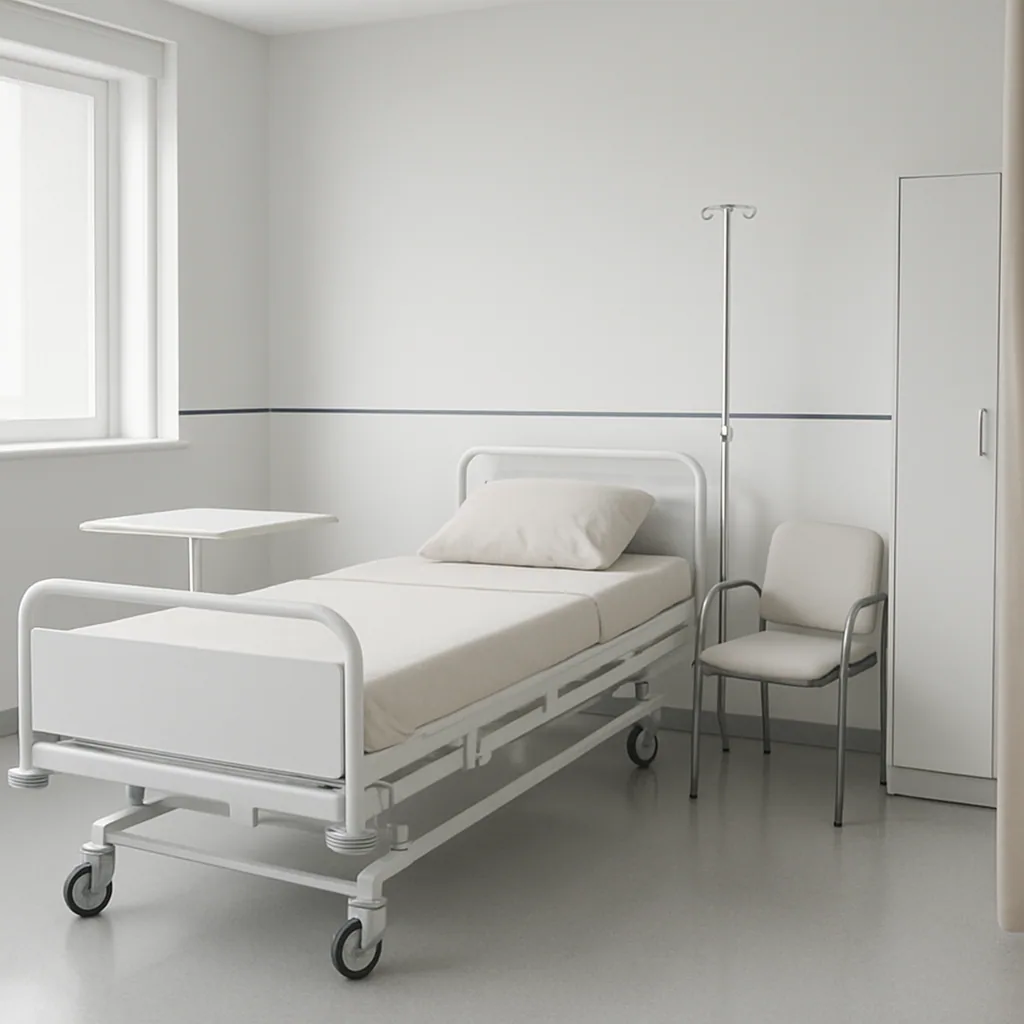
Ward Furniture
Complete ward furniture options for patient rooms and hospital care areas.
View product