
As a distributor, you've likely faced this scenario: you're sourcing electric hospital beds and receive several quotations. The product photos look similar, but the prices are different. The cheapest offer is tempting, but you have a nagging feeling you're not comparing apples to apples. What’s missing from the quote? Is the configuration the same? Are accessories included? What about the packing volume and freight cost?
Choosing the wrong offer isn't just about price; it's about business risk. An incomplete quotation can lead to a higher landed cost, customer complaints, project delays, and damage to your credibility with hospitals, clinics, or nursing homes.
The safest way for distributors to buy electric hospital beds is to compare suppliers only after confirming the same configuration, included items, packing method, CBM, trade term, lead time, inspection points, and spare parts discussion.
This guide, written from a B2B supplier's perspective, will walk you through the key details to confirm before you place your next bulk or project order for electric hospital beds.

Why Should Distributors Not Compare Electric Hospital Beds by Photo or Product Name?
You should not compare electric hospital beds by photo because a picture doesn't show the full configuration, which is where the real cost and value differences lie. Two beds that look identical in a catalog can have vastly different electric functions, side rails, caster quality, control methods, and included accessories.
In my experience, many distributors start by sending a product photo and asking for the lowest price. But from the supplier side, that isn't enough information to prepare a safe quotation. A lower price might simply mean a more basic configuration or that essential items are excluded.
This creates a significant risk for your business. If you quote a bed to your customer based on an assumed configuration, but the supplier delivers a simpler version, you are the one who has to manage the dispute. To avoid this, your first action should be to request a detailed specification sheet from each supplier. Ask them to clearly list all included items and any optional accessories before you begin comparing prices.
This brings you to a key decision point: are you choosing a supplier based on a low price from a vague quote, or are you comparing detailed, specification-based offers that protect your business and your customer?
Which Electric Hospital Bed Configuration Details Should Buyers Confirm Before Asking for a Quote?
Before requesting a quote, you should confirm the bed's intended use scenario and the specific functional components required. A bed for a hospital's intensive care unit has different needs than one for a long-term nursing home. Asking for a "standard" electric hospital bed price without providing this context is a common mistake.
I often remind buyers that a bed should be selected according to room function and end-user needs, not just a product name. The right details ensure the product you source is the product your customer actually wants.
Here is a basic checklist of information to prepare before contacting suppliers:
- End-User & Environment: Where will the bed be used? (e.g., hospital ward, clinic, nursing home, elderly care room, or a specific healthcare project)
- Electric Functions: How many functions are needed? (e.g., backrest, leg rest, height adjustment, Trendelenburg/Reverse Trendelenburg)
- Side Rails: What type of side rails are required? (e.g., split, full-length, material type)
- Casters & Brakes: What are the mobility requirements? Confirm caster size and braking system (e.g., central locking, individual brakes).
- Control Method: How will the bed be operated? (e.g., handset for patient, nurse control panel at footboard)
- Mattress Compatibility: Will you source mattresses separately? If so, confirm the required mattress dimensions and type to ensure a perfect fit with the bed platform and side rails.
- Accessories: Do you need an IV pole, overbed table, or other accessories? Confirm if these are included or optional.
When we receive a detailed inquiry, we can recommend a suitable model and prepare a quotation that matches your actual needs, reducing back-and-forth communication and potential for errors. For project orders, providing a room-by-room or department-based product list is even better.

Why Can a Lower Electric Hospital Bed Price Become More Expensive After Shipping?
A low unit price can become more expensive after shipping because it often excludes the costs of packing volume (CBM), missing accessories, and trade term responsibilities. Electric hospital beds are bulky. The final landed cost—the true cost to get one sellable unit to your warehouse—is what matters to your bottom line.
In my experience, the lowest unit price is rarely the lowest real cost for electric hospital beds because CBM and packing method can dramatically change the freight calculation. A supplier offering a bed for $50 less might use packaging that takes up 20% more container space, wiping out any initial savings. Furthermore, if that low price excludes essential accessories that you must buy later, your total cost increases.
To avoid this, you must compare quotations on the same basis. Use the table below to normalize the offers you receive. If a supplier's quote is missing information like CBM or packing details, ask for it. A refusal to provide this data is a major red flag.
Electric Hospital Bed Quotation Comparison Table
| Comparison Item | Supplier A | Supplier B | Supplier C | Buyer Notes |
|---|---|---|---|---|
| Bed type/model quoted | Confirm same product basis | |||
| Electric functions included | Avoid function mismatch | |||
| Side rail type included | Check if included or optional | |||
| Casters and brakes | Confirm mobility details | |||
| Control method | Confirm what is supplied | |||
| Mattress included or compatible only | Avoid hidden mattress cost | |||
| IV pole/accessories included | Separate included vs optional | |||
| Spare parts discussion | Useful for distributors | |||
| Packing method | Compare export protection | |||
| Package dimensions | Needed for freight cost | |||
| Gross weight/net weight | Needed for logistics | |||
| Total CBM | Affects landed cost | |||
| Trade term (e.g., FOB, EXW) | Must be the same for comparison | |||
| Lead time basis | Confirm production vs full order timeline | |||
| Quotation clarity | Check supplier communication quality |
Your decision shouldn't be based on an attractive but incomplete unit price, but on a calculated total landed cost that reflects your real profit margin.
What Packaging, Inspection, and Spare Parts Details Should Be Checked Before Bulk Shipment?
Before shipment, you must confirm how the beds are packed for export, what will be inspected, and how spare parts will be handled. These details are not afterthoughts; they are critical for preventing damage, ensuring completeness, and managing after-sales support.
I have seen packing details turn a profitable order into an after-sales problem when they are discussed too late. Electric beds have frames, motors, rails, casters, and controls—all of which need protection. Weak packing can lead to scratches, bent frames, or damaged electronics, leaving you with goods that are difficult to sell or require costly repairs.
It is much easier to correct issues before loading than after the beds arrive at your warehouse. Agreeing on what to check beforehand protects both you and the supplier.
Hidden Risks vs. Business Consequences
| Hidden Risk | Possible Business Consequence | What the Buyer Should Ask |
|---|---|---|
| Similar photo but different configuration | Wrong customer quotation or rejected delivery | “Can you provide the full specification sheet?” |
| Accessories not clearly included | Extra cost, delayed installation, customer complaint | “Which items are included and which are optional?” |
| Weak export packing | Damage, repair cost, after-sales pressure | “How are the frame, rails, and controls protected for export?” |
| No spare parts discussion | Difficult after-sales handling | “Which parts are replaceable and available for future orders?” |
| No inspection checklist | Problems are found only after arrival | “What items can we confirm will be checked before shipment?” |

As a practical action, ask your supplier for their standard packing method for export. If you have concerns, request photos. For bulk orders, we pack accessories and hardware in labeled bags to prevent loss and simplify assembly. This small step is crucial for the end-user experience.
How Should Distributors Plan Lead Time for Electric Hospital Bed Orders?
You should plan lead time as a full order process, not just the number of production days. Many buyers ask, "How long for production?" and use that number to promise a delivery date to their customer. This is a frequent cause of project delays.
From the supplier side, we know that unclear details can delay an order even before production begins. The real timeline for an export order includes:
1. Requirement Confirmation: You and the supplier finalize all specifications. 2. Quotation & Approval: You review and approve the final, detailed quotation. 3. Production Scheduling: The factory schedules your order. 4. Production: The beds are manufactured. 5. Packing: The finished beds are packed for export. 6. Inspection: Pre-shipment checks are completed. 7. Loading & Shipping: The container is loaded and begins its journey.
Any delay in the early stages, like changing the configuration or quantity, will push back the entire schedule. When discussing timelines, ask your supplier for a full lead time breakdown. Share your required delivery date early in the process so the supplier can work backward and provide a realistic confirmation deadline. This helps you manage a realistic timeline that accounts for all procurement steps, not just an optimistic production estimate.
Which Supplier Details Should Distributors Compare Before Confirming an Electric Hospital Bed Order?
Beyond price and product, you should compare suppliers based on the clarity of their communication and the completeness of their quotation. A good supplier for a distributor is a partner who helps you reduce procurement risk.
In my experience, a good supplier doesn't just send a price; they ask questions. They want to understand your needs to ensure the product they supply is right for your market. A supplier who rushes to give you the lowest price without clarifying details is shifting the risk to you.
Good Supplier Signs:
- Asks about your target market or project use.
- Provides a detailed, specification-based quotation.
- Clearly separates included and optional items.
- Provides packing details, weight, and CBM without being asked repeatedly.
- Communicates clearly about lead times and production requirements.
Red Flags:
- Provides a vague quote based only on a product photo.
- Cannot explain the difference between configurations.
- Avoids giving packing dimensions or CBM data.
- Pressures you to order before details are confirmed.

Pre-Order Checklist for Electric Hospital Bed Distributors
Use this final checklist to ensure all critical details are confirmed before you commit to a bulk order. An hour of confirmation now can save weeks of problems later.
Product and Use Confirmation
- [ ] End-user type confirmed (hospital, clinic, nursing home)
- [ ] Required electric functions confirmed
- [ ] Side rails, casters, and controls confirmed
- [ ] Mattress compatibility confirmed
- [ ] Accessories confirmed as included or optional
Quotation Confirmation
- [ ] Quotation is based on the final, agreed-upon configuration
- [ ] Included and optional items are clearly listed
- [ ] Trade term (e.g., FOB, CIF) is confirmed
- [ ] Lead time basis is understood
Packing and Shipping Confirmation
- [ ] Packing method for export is confirmed
- [ ] Carton/package dimensions, gross weight, and total CBM are received
- [ ] Accessory and hardware packing method is confirmed
Inspection and Delivery Confirmation
- [ ] Key inspection points are agreed upon
- [ ] Project delivery schedule is reviewed with the supplier
The final decision point is clear: are you choosing a supplier who just wants to sell you a product, or a supplier who helps you buy correctly?
Conclusion: Build Your Business on Clarity, Not Assumptions
Choosing the right electric hospital bed for distribution isn't about finding the cheapest price. It's about ensuring every quotation you compare is built on the same foundation of clear specifications, included items, packing data, and commercial terms. A bed that looks good in a photo is irrelevant if it arrives damaged, incomplete, or unsuitable for your customer.
The best purchasing decisions are made before the order is placed. By confirming the details of configuration, landed cost, packaging, and lead time, you move from making a risky guess to making a sound business investment.
At CareFurnex, we specialize in supplying B2B hospital and medical furniture for distributors and healthcare projects. If you are preparing an order, we encourage you to send us your requirements—including department use, quantity, configuration needs, and project schedule. We can help you review the details that matter, ensuring the product you source is the right fit for your business.
Written by
CareFurnex Team
CareFurnex Team shares practical knowledge about hospital beds, patient room furniture, medical trolleys, clinic furniture, and healthcare facility procurement for international B2B buyers.
Related Products
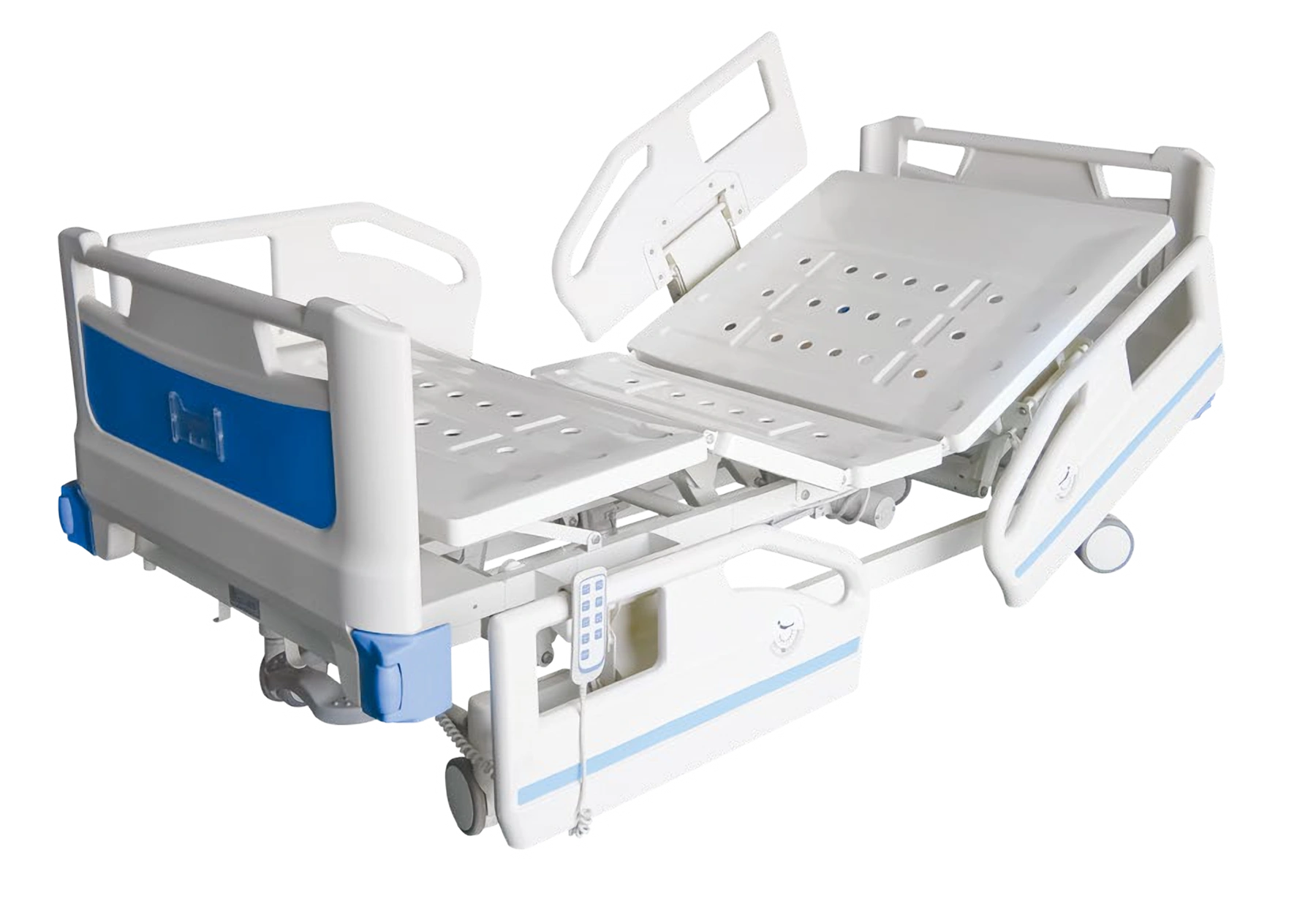
Hospital Beds
General-purpose patient beds for inpatient wards and standard hospital rooms.
View product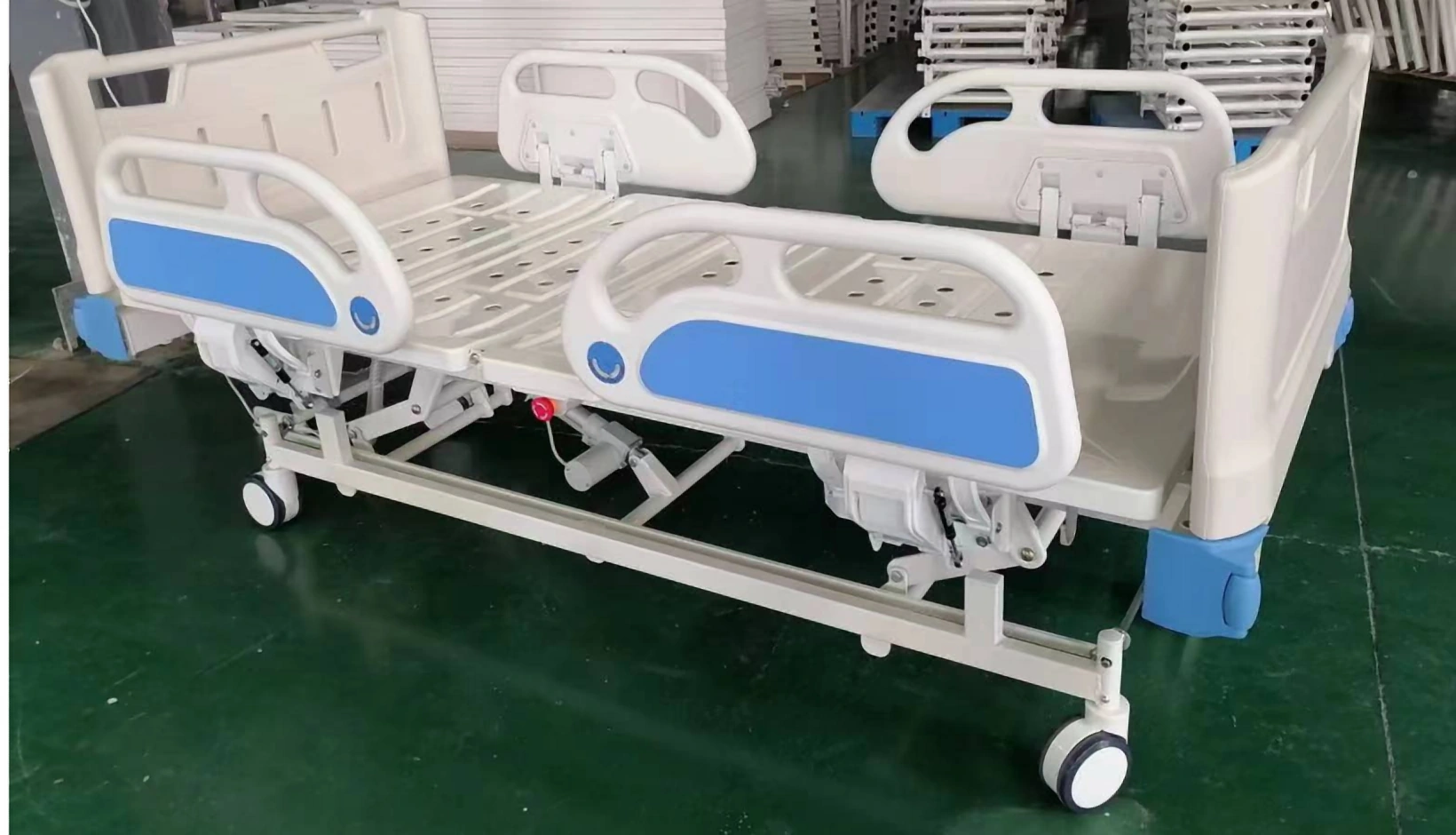
Electric Hospital Beds
Motorized multi-function beds with electric height, backrest, and leg adjustment options.
View product
Ward Furniture
Complete ward furniture options for patient rooms and hospital care areas.
View product