
A procurement manager for a new nursing home project often starts with a simple list: 50 beds, 100 chairs, 50 cabinets, 20 trolleys. The next step seems clear: send the list to several suppliers, receive unit prices, and choose the lowest offer for each item.
That approach looks efficient on a spreadsheet, but it is one of the most common causes of mismatched furniture, hidden logistics cost, installation delays, and daily usability problems in senior care facilities. A bed, chair, cabinet, trolley, and overbed table do not operate separately after delivery. They must fit the same room, support the same residents, and work with the same staff workflow.
The safer procurement method is to stop sourcing nursing home furniture as isolated items and start confirming it as a room-based project package. The quotation should show how the beds, chairs, cabinets, trolleys, accessories, packing, and delivery basis work together before you compare the final price.
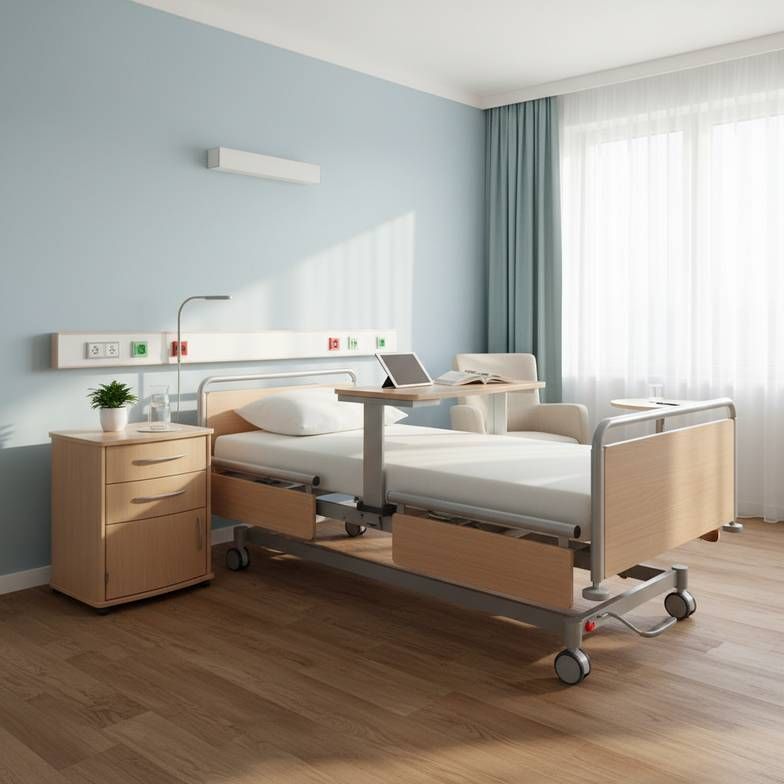
Why Should You Plan by the Room, Not Just by the Shopping List?
Plan by the room because nursing home furniture must function together in a limited space. A low unit price is not useful if the bed blocks wheelchair movement, the overbed table does not fit the bed base, or the cabinet cannot be opened safely beside the resident.
When you focus only on the unit price of a bed, you may miss its width, side rail movement, caster position, and mattress height. A wider bed may look more comfortable on a product sheet, but in a compact resident room it can reduce caregiver access or wheelchair clearance. For bed rail safety context, buyers can review the FDA bed rail safety activities.
The same issue appears with other products:
- An overbed table may not slide correctly under the bed frame.
- A bedside cabinet drawer may hit the side rail or bed crank.
- A visitor chair may be too low for the resident to stand up safely.
- A treatment or medication trolley may be too wide for the corridor or too tall for the nurse station workflow.
- A wardrobe or storage cabinet may block access to sockets, call systems, or cleaning routes.
Do not compare the prices yet if one supplier is quoting only product names and another supplier is quoting a room package. The cheaper option may simply be quoting a different room function, a lighter configuration, fewer accessories, or a packing method that shifts work to your site team.
A project-focused supplier will usually ask for room layouts, room types, product quantities, and workflow details before finalizing the offer. That is not unnecessary questioning. It is how configuration mistakes are caught before the order moves to production.
Room Functionality & Safety Checklist
| Item | What to Confirm | Options / Notes |
|---|---|---|
| Resident room | Bed position and clearance | Confirm wheelchair path, caregiver access, bathroom route, and door swing |
| Hospital bed | Bed size and height range | Match resident transfer needs and room space |
| Hospital bed | Side rail movement | Confirm whether rails block cabinet drawers, overbed tables, or caregiver access |
| Overbed table | Base design | Confirm whether the base fits under or around the bed frame |
| Bedside cabinet | Drawer and door opening | Check if drawers open fully beside the bed and side rails |
| Chair | Seat height and armrest support | Confirm suitability for standing assistance and table use |
| Trolley | Corridor and room movement | Confirm width, caster movement, brake position, and turning space |
| Storage cabinet | Door opening and shelf layout | Confirm access, lock needs, and cleaning clearance |
| Mobile furniture | Casters and brakes | Confirm caster quality, brake quantity, floor compatibility, and noise level |
| All furniture | Cleaning surface | Confirm surface finish, corner design, and cleaning compatibility. The [CDC's environmental cleaning procedures](https://www.cdc.gov/healthcare-associated-infections/hcp/cleaning-global/procedures.html) offer context on material needs. |
| All furniture | Sharp edges and stability | Confirm edge design, anti-tip stability where relevant, and safe daily use |
A product photo can show the general style, but it cannot confirm clearance, accessory conflict, drawer opening, caster movement, packing volume, or installation responsibility. The safer way is to fix these details in a room-by-room product schedule before asking suppliers for final pricing.
What Design Details Make Furniture Truly "Geriatric-Friendly"?
The label “elderly care” is not enough for procurement approval. Real geriatric-friendly furniture depends on specific design details such as bed function, side rails, chair armrests, cabinet handles, trolley drawer layout, caster brakes, surface cleaning, and accessory scope.
Two chairs can look nearly identical in a photo, but one may have armrests shaped to support a resident when standing, while the other may only be decorative. Two medication trolleys may look similar, but one may include lockable drawers, dividers, quiet casters, and side accessories, while the other may only be a basic mobile cabinet.
Before approving production, ask the supplier to explain what is included, what is optional, and how each feature supports resident safety, staff efficiency, cleaning, or long-term use. For cleaning-related specifications, buyers can also review the CDC environmental cleaning guidance.
Beds: Confirm Function, Rails, Casters, Mattress, and Spare Parts
For nursing home projects, a bed quotation should not stop at “manual bed” or “electric bed.” Confirm the actual configuration:
- Bed type: manual, 2-function electric, 3-function electric, or other required function
- Side rail type, height, folding method, and compatibility with resident safety needs
- Caster size, brake system, and brake operation method
- Bed-end material and cleaning surface
- Mattress compatibility, including size and thickness requirements if known
- Whether mattress, IV pole, dining board, or other accessories are included or optional
- Spare parts availability for electric components, controllers, side rails, casters, and hand cranks where relevant
- Packing method and whether the bed is assembled, knock-down, or partially assembled
For bed safety, particularly regarding side rails, buyers can find useful background information from regulatory bodies. The FDA's guidance on hospital beds provides context on risks like patient entrapment, but the final configuration must still be confirmed with the supplier.
I would not treat a bed quotation as complete until the supplier separates included accessories from optional accessories. A bed photo with rails and mattress does not mean those items are included in the quoted price.
Chairs: Confirm Seat Height, Armrests, Stability, and Cleaning Surface
For resident chairs, dining chairs, visitor chairs, and lounge chairs, check the user scenario before choosing style:
- Seat height range required by the facility
- Armrest shape and whether it supports standing assistance
- Frame stability and anti-slip design where relevant
- Upholstery or surface material and routine cleaning compatibility
- Edge design and corner protection
- Weight and movement needs if chairs are frequently rearranged
- Stacking or non-stacking design if storage matters
A higher seat may help some residents stand more easily, but it is not automatically suitable for every facility. Confirm the resident profile, table height, and room use before fixing the chair model.

Cabinets: Confirm Layout, Handles, Locks, Stability, and Surface Finish
Bedside cabinets, wardrobes, storage cabinets, and nurse station cabinets can vary heavily even when the product name is the same. Confirm:
- Drawer and door layout
- Shelf quantity and shelf adjustability if required
- Lock option for drawers, doors, or medicine storage
- Handle shape, especially for users with limited hand strength
- Waterproof or easy-clean top surface where needed
- Towel rail, meal board, or side accessories if applicable
- Anti-tip stability or wall-fixing requirement where relevant
- Material and surface finish, such as powder-coated steel, ABS, stainless steel, wood-based panels, or mixed materials if offered
- Packing protection for corners, panels, handles, and hardware
Small cabinet details can affect daily operation. A narrow handle, weak drawer runner, or unclear lock requirement may create repeated staff complaints after installation.
Trolleys: Confirm Department Use, Drawer Layout, Locks, Casters, and Accessories
Trolleys are often under-specified in nursing home RFQs, but they are configuration-heavy products. A “medical trolley” may mean a medication trolley, dressing trolley, linen trolley, emergency trolley, meal service trolley, or general care trolley.
Before approving a trolley quotation, confirm:
- Department or room use: medication, dressing, linen, emergency, meal service, general nursing care, or storage
- Drawer quantity, drawer size, and drawer layout
- Central lock, individual drawer lock, or no lock
- Drawer dividers, trays, bins, baskets, waste bucket, IV pole, side rail, or other accessories
- Handle position and pushing comfort
- Caster diameter, brake quantity, movement noise, and floor compatibility
- Material choice, such as stainless steel, ABS, powder-coated steel, or mixed material if available
- Surface finish and corner design for routine cleaning
- Packing protection for drawers, handles, casters, locks, and loose accessories
The cheaper trolley quote may not be cheaper after you confirm the drawer layout, lock method, caster quality, and accessory set. For trolleys, the quotation sheet should be detailed enough that your nursing team can understand exactly what will arrive.
How Do Packaging and Assembly Inflate Your Total Project Cost?
Packaging and assembly can change the real cost of a nursing home furniture order even when the unit price looks attractive. Before choosing the lower price, confirm assembly method, carton dimensions, gross weight, total CBM, packing protection, and what work is transferred to your site team.
You may receive two quotes for the same general bed type. Supplier A quotes a lower price for a knock-down bed. Supplier B quotes a higher price for a partially assembled or assembled bed. The first quotation may look better until you calculate local assembly labor, tool management, missing hardware risk, installation time, and project schedule pressure.
International freight for bulky furniture is strongly affected by CBM, not only by gross weight. A nursing home project may include beds, cabinets, chairs, overbed tables, wardrobes, trolleys, and stainless steel products in one shipment. If packing data is missing, the buyer cannot calculate the real landed cost.
KD, Semi-Assembled, and Assembled Furniture
| Assembly Method | Possible Advantage | Procurement Risk to Confirm |
|---|---|---|
| KD / knock-down | Lower CBM and potentially lower freight cost | Higher on-site labor, assembly time, hardware control, installation responsibility |
| Semi-assembled | Balance between shipping volume and easier installation | Need clear assembly instructions, hardware list, and site responsibility |
| Assembled | Faster site placement and less installation work | Higher CBM, higher freight impact, more packing protection needed |
Do not accept “standard packing” as a complete answer for a project shipment. Ask for the packing basis by product category.
Export Packing Details to Confirm
| Item | What to Confirm | Options / Notes |
|---|---|---|
| Beds | Packing method | Carton, wooden case, reinforced carton, or partial assembly basis if offered |
| Cabinets | Corner and panel protection | Foam, edge protection, hardware protection, and door/drawer fixing |
| Chairs | Stackable or individual packing | Confirm carton quantity, scratch protection, and loading method |
| Trolleys | Drawer and caster protection | Confirm drawers fixed, accessories packed separately, casters protected |
| Stainless steel furniture | Surface protection | Confirm film, foam, carton, wooden case, or other protection if provided |
| Accessories | Packing location | Packed inside unit, separate carton, labeled accessory box, or spare parts bag |
| Hardware | Quantity and labeling | Screws, tools, handles, bolts, and installation parts clearly packed |
| Cartons | Dimensions and quantity | Carton size, packing quantity, and carton count by model |
| Shipment | Weight and volume | Gross weight, net weight if available, and total CBM |
| Labeling | Project identification | Model number, room type, carton number, or buyer label if required |
| Pre-shipment check | Packing photos | Request photos of packed goods, labels, accessories, and carton condition |
A transparent supplier provides carton dimensions, gross weight, and total CBM before the buyer compares freight cost. If these details are missing, the quotation is not ready for landed cost comparison.
How to Build an RFQ That Gets You Comparable, Project-Ready Quotes
A useful RFQ must define the room, product configuration, quantity, accessories, packing, lead time, and trade basis. If you send only product names and quantities, you will receive quotations that look comparable but are built on different assumptions.
A clear RFQ helps a serious supplier quote accurately and reduces repeated clarification. It also exposes vague quotations quickly. Before comparing prices, make sure every supplier is quoting the same room function, same configuration, same included accessories, same packing basis, and same trade term.

RFQ Wording Example
```text Please quote elderly care furniture for a nursing home project.
Project information:
- Room types: resident room / treatment room / nurse station / dining area / storage room / other
- Estimated quantity: ___ rooms / ___ beds / ___ chairs / ___ cabinets / ___ trolleys
- Destination or trade term: ___
- Expected delivery schedule: ___
Please quote by room type and product category.
For each product, please provide:
- Model name or reference photo
- Dimensions
- Material and surface finish
- Configuration
- Included accessories
- Optional accessories and extra cost
- Assembly method: assembled / semi-assembled / KD
- Packing method
- Carton dimensions
- Packing quantity
- Gross weight
- Total CBM
- Lead time
- Spare parts or recommended replacement parts
- Pre-shipment photo or inspection confirmation method
```
Mandatory Quotation Comparison Checklist
| Comparison Point | What to Confirm with Supplier | Supplier A | Supplier B |
|---|---|---|---|
| Project basis | Room type or department use | ||
| Quantity | Quantity per room and total quantity | ||
| Product identity | Model name, model number, and product photo | ||
| Price basis | Unit price and trade term | ||
| Destination basis | Destination port, city, or delivery basis if quoted | ||
| Dimensions | L x W x H for each product | ||
| Material | Main material and surface finish | ||
| Bed configuration | Function type, side rails, casters, brakes, mattress compatibility | ||
| Chair configuration | Seat height, armrest design, upholstery or surface material | ||
| Cabinet configuration | Drawer/door layout, shelves, lock, handle, top surface | ||
| Trolley configuration | Department use, drawer layout, lock type, casters, brakes, accessories | ||
| Included accessories | Items included in quoted price | ||
| Optional accessories | Items available at extra cost | ||
| Spare parts | Included spare parts or recommended spare parts | ||
| Assembly | Assembled, semi-assembled, or KD | ||
| Packing method | Carton, crate, reinforced packing, pallet, or other basis | ||
| Packing quantity | Quantity per carton or crate | ||
| Carton data | Carton dimensions and carton count | ||
| Shipment data | Total gross weight and total CBM | ||
| Lead time | Production and shipment preparation time | ||
| Inspection | Pre-shipment photo, packing photo, or inspection arrangement | ||
| Quotation validity | Validity period and payment basis if provided |
This table prevents a common procurement mistake: treating two quotations as equal when one includes accessories, stronger packing, spare parts, and project-level documentation while the other excludes them. If the supplier cannot confirm the quotation basis clearly, do not move that offer to final comparison.
Final Confirmation Before Deposit or Production
| Item | What to Confirm | Options / Notes |
|---|---|---|
| Room schedule | Final room-by-room product list | Resident rooms, nurse station, treatment area, dining area, storage |
| Product models | Final model and dimensions | Match quotation, drawings, or approved specification sheet |
| Quantity | Quantity per room and total quantity | Check against project schedule before deposit |
| Configuration | Function, layout, locks, rails, casters, accessories | Especially for beds, cabinets, and trolleys |
| Materials | Main material and finish | Confirm cleaning surface and color if applicable |
| Accessories | Included and optional items | Separate mattress, IV pole, baskets, dividers, waste bucket, spare hardware |
| Assembly | Delivery assembly basis | Assembled, semi-assembled, KD, and who handles site assembly |
| Packing | Packing method by product type | Confirm protection for panels, drawers, casters, handles, and accessories |
| Carton data | Carton size and packing quantity | Needed for receiving and logistics planning |
| Shipment data | Gross weight and total CBM | Needed for freight comparison and loading plan |
| Spare parts | Recommended or included parts | Motors, controllers, casters, locks, handles, rails, hardware where relevant |
| Lead time | Production and shipment schedule | Align with project opening or installation plan |
| Trade term | FOB, CIF, EXW, or other basis | Confirm responsibility boundary clearly |
| Approval status | Sample, photo, drawing, or specification approval | Do not release bulk production on unclear assumptions |
| Final document | Proforma invoice or confirmed quotation basis | Check all product, packing, price, and delivery details in writing |
Successful nursing home furniture procurement is not just buying beds, chairs, cabinets, and trolleys at the lowest unit price. The safer process is to confirm the room function first, then lock the product configuration, accessory scope, packing data, shipment basis, and final quotation terms.
If you are preparing a nursing home project order, send CareFurnex your room types, estimated quantities, product categories, configuration needs, material preferences, assembly preference, packing requirements, destination or trade term, and project schedule. CareFurnex can help review the product list, quotation basis, packing data, and final order confirmation details before you approve the purchase.
References
Written by
CareFurnex Team
CareFurnex Team shares practical knowledge about hospital beds, patient room furniture, medical trolleys, clinic furniture, and healthcare facility procurement for international B2B buyers.
Related Products
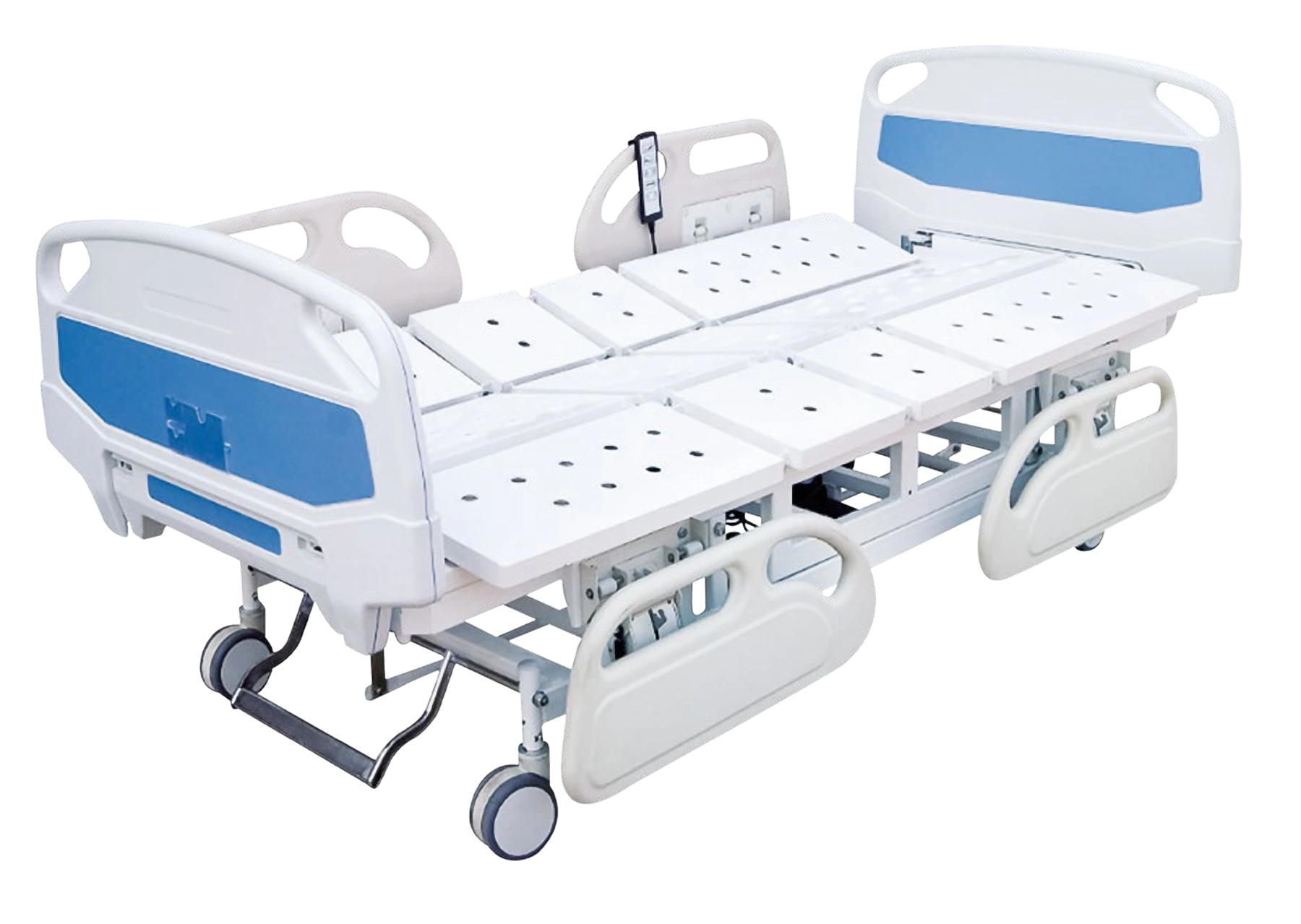
Nursing Beds
Long-term care beds designed for elderly residents and daily nursing operation.
View product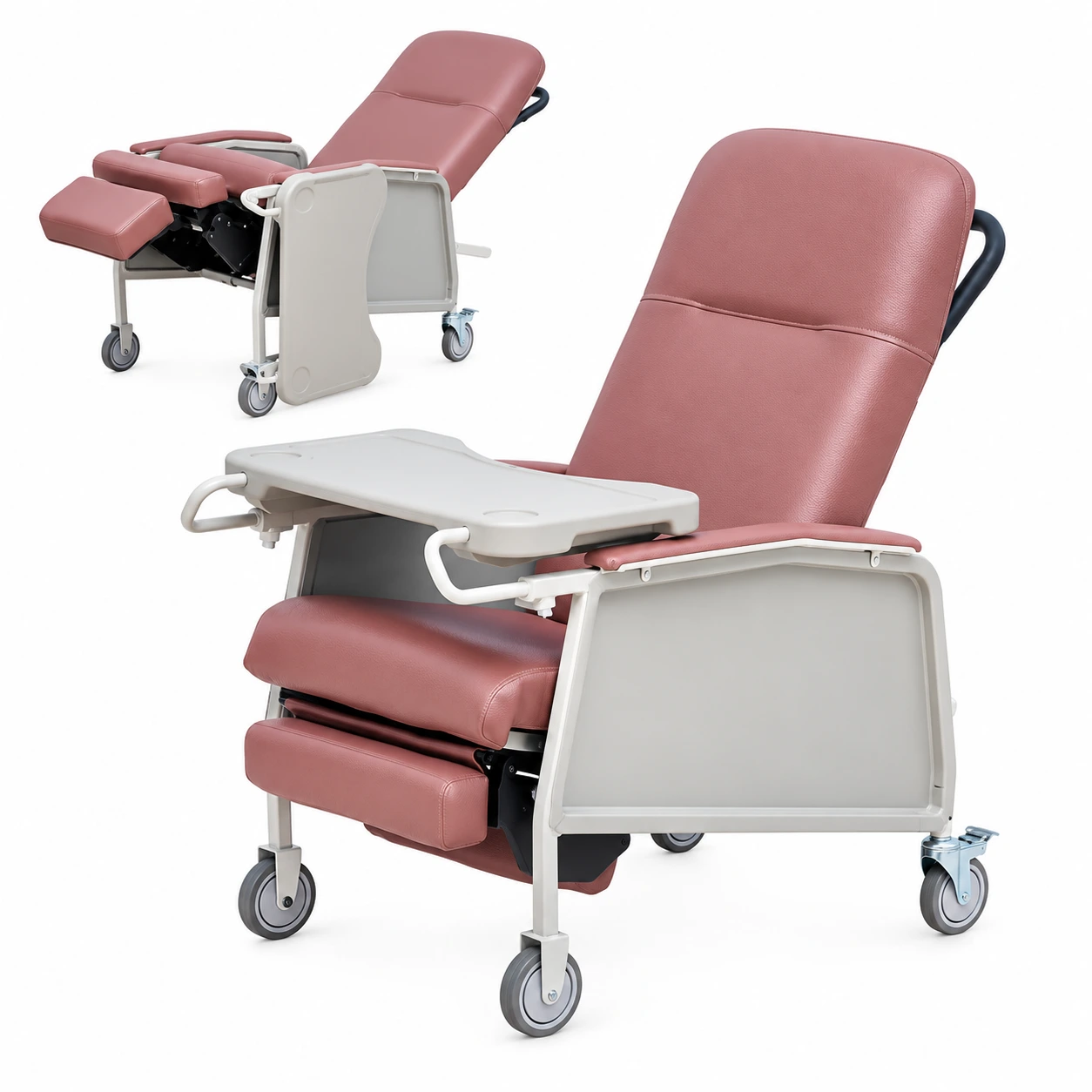
Medical Recliners
Reclining patient chairs for care spaces, treatment areas, and nursing homes.
View product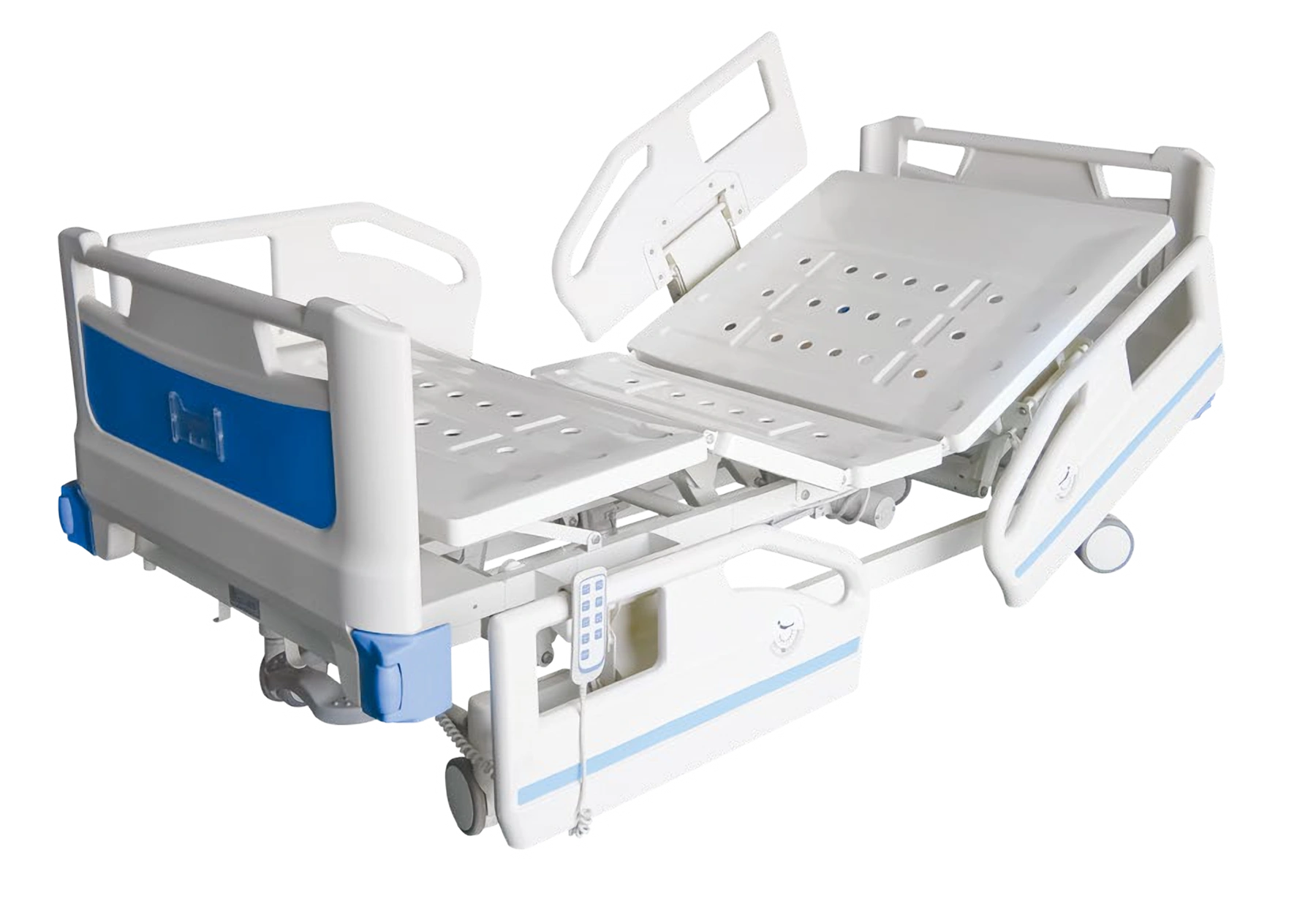
Hospital Beds
General-purpose patient beds for inpatient wards and standard hospital rooms.
View product