
Choosing between a delivery bed and a gynecology bed seems straightforward until you compare two quotations. One is significantly cheaper, but the product photos look almost identical. The temptation is to choose the lower price.
This is a common mistake. The real difference is not in the photo, but in what is missing from the cheaper quote. The bed may lack the specific adjustments, frame design, or essential accessories that make it functional for your clinic's actual procedures. You may end up with a bed that hinders your staff, is unsuitable for patients, or requires expensive add-ons that erase the initial savings.
Before ordering, clinics should check if the bed's primary design is for delivery or examination, confirm the range of electric or hydraulic adjustments like height and Trendelenburg, and verify which essential accessories, such as specific leg supports or stirrups, are included in the price.
From a supplier's perspective, the product name alone is incomplete. A useful recommendation starts by understanding your clinic's daily work. The right bed is the one whose technical specifications match your procedures, patient safety needs, and staff workflow. Let's break down what to check.
What's the Real Difference Between a Delivery Bed and a Gynecology Bed?
A primary difference is the main task the bed is designed for. They are not interchangeable.
A delivery bed is designed to transform. Its main purpose is to support a patient through the different stages of labor and birth. This requires a frame that can change from a standard bed into a procedural platform. The most telling feature is often a removable or retractable foot/leg section, which creates clear access for the practitioner during delivery.
A gynecology bed or chair is optimized for examination and procedural access. Its frame is typically more static, but it offers a wide range of positioning adjustments for the patient, like seat tilt and specialized leg supports (stirrups). The focus is on providing stable, repeatable positioning for exams and minor procedures.

Before you compare models, decide which task represents the majority of the bed's intended use. A clinic that only performs exams and minor procedures may not need a full delivery bed. A practice that manages active labor needs a bed that can properly transform.
Which Adjustments Affect Patient Safety and Staff Workflow?
Buyers often ask if a bed is "electric," but that question is incomplete. The real question is which functions are motorized and how they impact your work.
Focus on these three key adjustments:
1. Height Adjustment: A low minimum height (e.g., 50-60 cm) can make it safer and easier for patients, especially those with limited mobility, to get on and off the bed. A high maximum height reduces physical strain on your clinical staff during procedures. Hydraulic systems can be very robust for height adjustment, while electric systems offer smooth, effortless control.
2. Trendelenburg/Reverse Trendelenburg Tilt: This is an important feature for patient positioning. The ability to quickly tilt the bed allows staff to reposition a patient as part of established clinical protocols. If you perform any procedures beyond simple check-ups, confirming the bed has this capability is a practical step.
3. Backrest and Seat Adjustment: Electric backrest and seat tilt functions allow for smooth repositioning of the patient without manual effort. This can be helpful for making fine adjustments during a procedure or for workflows that require minimal staff movement.
When you request a quotation, ask the supplier to specify which of these functions are electric, hydraulic, or manual. A bed with only electric height adjustment is very different in function and cost from a three-motor bed where height, backrest, and tilt are all motorized.
How Does the Leg Section Design Determine the Bed's Purpose?
Pay close attention to the foot and leg section of the bed. This single component often reveals the bed's true purpose and limitations.
For a delivery bed, a fully removable or retractable foot section is a fundamental feature. Removing this section creates the perineal cutout needed for the final stages of birth. One useful check is how easily this section detaches and reattaches; you don't want a clumsy mechanism that complicates work during a time-sensitive situation.
For a gynecology bed, the leg section is usually integrated. The key feature here is the type of leg supports. Are they simple padded rests, or are they articulating lithotomy stirrups that offer a wide range of positioning options? The type of stirrups you need depends directly on the procedures you perform.
When you see a photo, you cannot tell how this section functions. Ask the supplier to confirm: Is the leg section removable? What type of leg supports are included in the price, and what are the optional upgrades?

What Material and Base Details Help with Infection Control and Stability?
Beyond the main functions, small details in the material and base construction can have a big impact on daily use and longevity.
- Upholstery: Upholstery with a seamless or minimal-seam design is often easier to clean and disinfect. Fewer stitches can mean fewer places for contaminants to accumulate. To check for durability, ask if the upholstery is compatible with the disinfectants your clinic uses. This can help reduce the risk of premature cracking or discoloration.
- Base and Casters: A wide, heavy base provides stability, which is important during patient transfers or adjustments. For mobility, check the caster (wheel) diameter; larger casters generally make the bed easier to move.
- Braking System: Check if the bed has a central braking system (a single pedal that locks all wheels) or individual locks on each caster. A central brake is typically faster and more convenient to engage, securing the bed firmly in place with one action.
These details are rarely prominent in a product listing but are good indicators of a bed designed for clinical use. You can ask for close-up photos of the upholstery seams and the braking mechanism.
Checklist: How to Get Comparable Quotes for Your Clinic's Bed
Sending a vague inquiry like "price for a gynecology bed" will result in quotations that are difficult to compare. To get clear, functional proposals from any supplier, use a checklist to define your needs. This makes it easier to see what is included versus what is optional.
| Feature to Check | Supplier A Quote | Supplier B Quote | What Our Clinic Needs |
|---|---|---|---|
| Primary Design | (e.g., Delivery) | (e.g., Gyn Exam) | Delivery / Gyn Exam |
| Height Adjustment | (e.g., Electric, 55-95cm) | (e.g., Hydraulic, 60-90cm) | |
| Trendelenburg Tilt | Yes / No | Yes / No | Yes / No |
| Leg/Foot Section | (e.g., Removable) | (e.g., Adjustable) | Removable / Adjustable |
| Leg Supports | (e.g., Included, Rests) | (e.g., Optional, Stirrups) | Lithotomy Stirrups |
| IV Pole | Included / Optional | Included / Optional | Included |
| Upholstery | (e.g., Seamless) | (e.g., Stitched) | Seamless |
| Braking System | (e.g., Central) | (e.g., Individual) | Central |
| Base Price | $X | $Y | |
| Total Functional Price | (Base + all needed options) | (Base + all needed options) | |
| Carton Size & Weight | Provided? Yes/No | Provided? Yes/No | Must be provided |
Using this table helps you compare the total cost of a fully equipped unit, not just the misleading base price.
Preparing Your Inquiry
The final choice between a delivery bed and a gynecology bed comes down to matching the equipment's function to your clinic's work. A lower price is irrelevant if the bed cannot perform its primary task safely and efficiently.
Before you request a quotation, prepare the following details. This will help any supplier provide a recommendation that truly fits your requirements.
- Primary Use: State clearly whether the bed is for active delivery or for gynecological exams and procedures. List the top 3-5 procedures you will perform.
- Required Adjustments: List the functions you need (e.g., height, Trendelenburg) and your preference for electric, hydraulic, or manual control.
- Essential Accessories: Specify the exact type of leg supports (e.g., lithotomy stirrups) and any other items like an IV pole or debris tray that must be included.
- Room Constraints: Note your room dimensions and, importantly, the width of any doorways, hallways, or elevators the crated bed must pass through during delivery.
Sending this information with your inquiry makes it easier for us, or any supplier, to provide a quotation for a bed that will serve your clinic well.
Written by
CareFurnex Team
CareFurnex Team shares practical knowledge about hospital beds, patient room furniture, medical trolleys, clinic furniture, and healthcare facility procurement for international B2B buyers.
Related Products
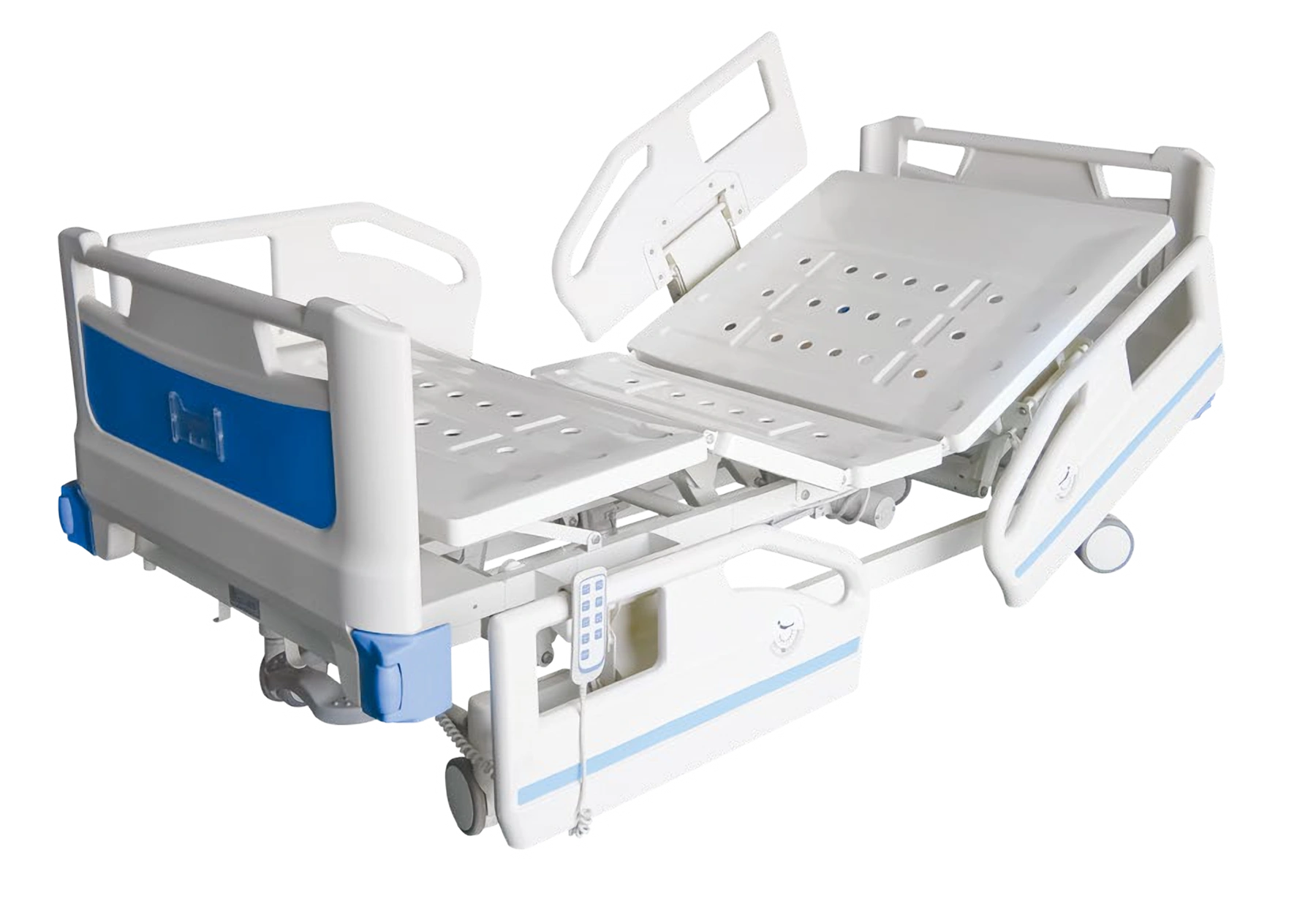
Hospital Beds
General-purpose patient beds for inpatient wards and standard hospital rooms.
View product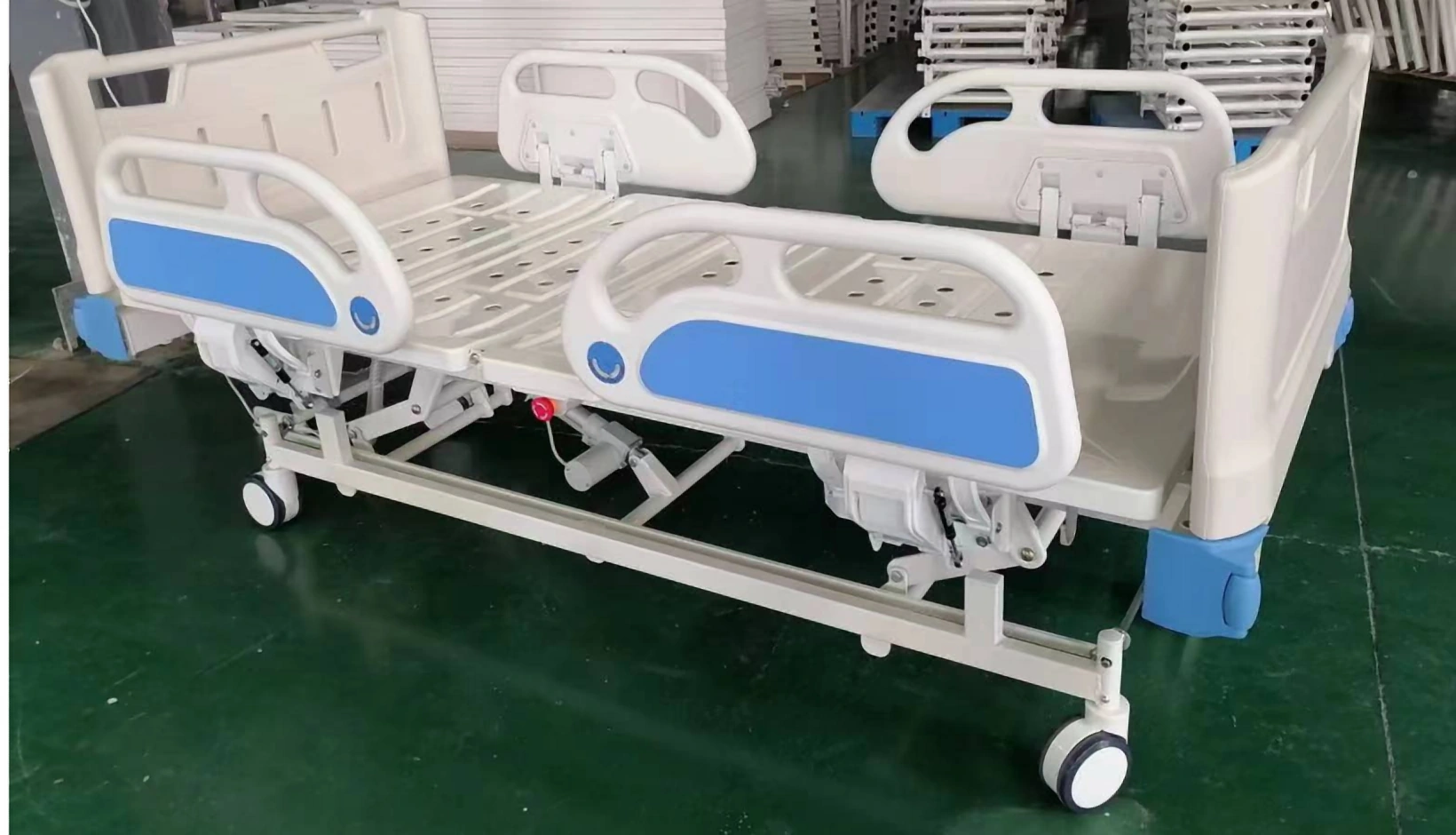
Electric Hospital Beds
Motorized multi-function beds with electric height, backrest, and leg adjustment options.
View product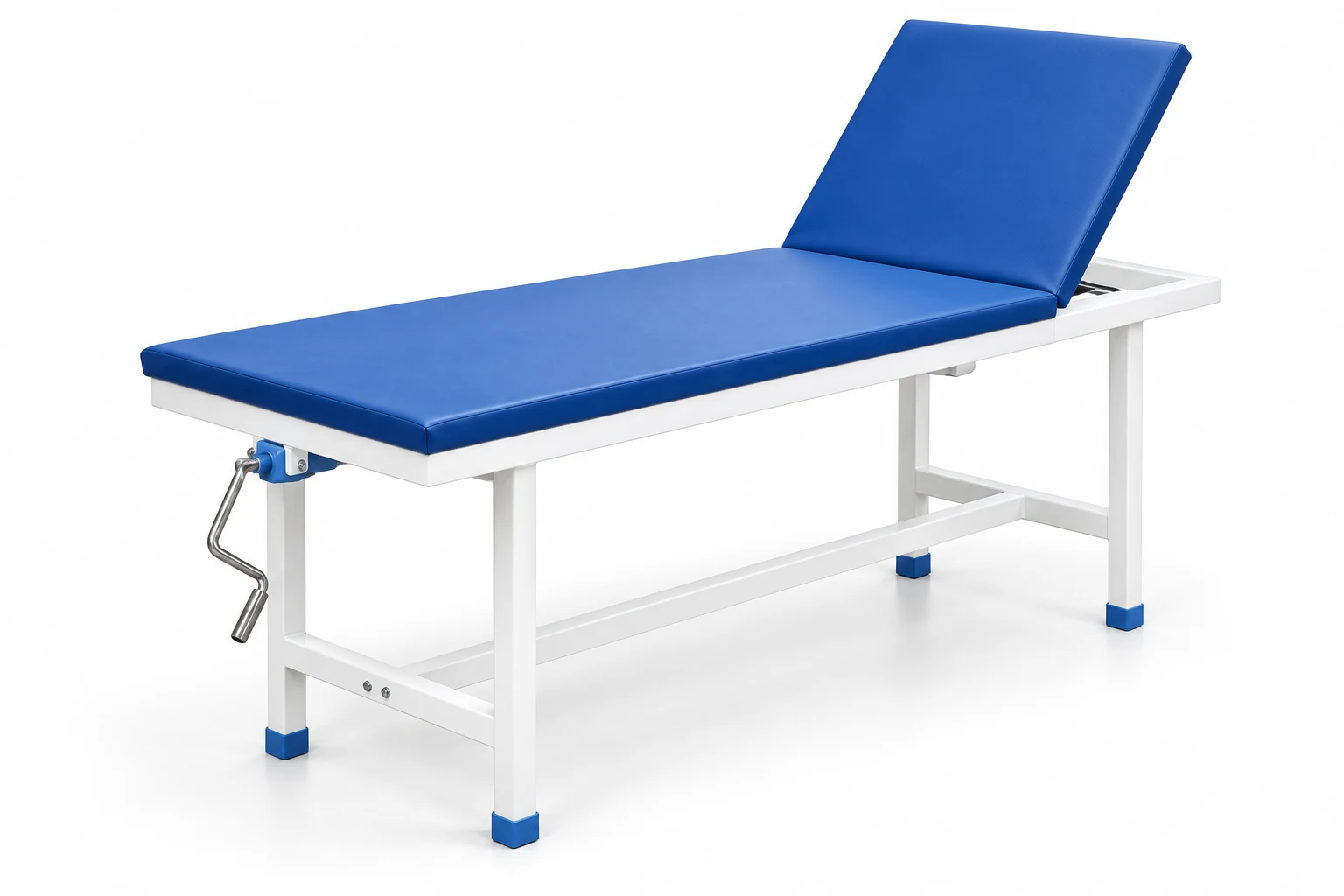
Examination Tables
Compare examination tables by model, stated dimensions and configuration.
View product