
Sourcing a hospital bed with an X-ray feature seems simple, but vague specifications often lead to significant problems. You risk purchasing a bed that’s incompatible with your imaging equipment or overpaying for advanced features your department doesn't need. The key is to confirm specific details about the hospital bed X-ray translucent platform before you place an order.
To choose the right hospital bed X-ray translucent platform, buyers must confirm the material (e.g., HPL, phenolic resin), the coverage area (backrest only vs. full length), the precise dimensions of the X-ray cassette tunnel, and its compatibility with their specific C-arm imaging equipment. Instead of asking if a bed is translucent, you must ask how it supports your specific clinical workflow and what verified data the supplier can provide.
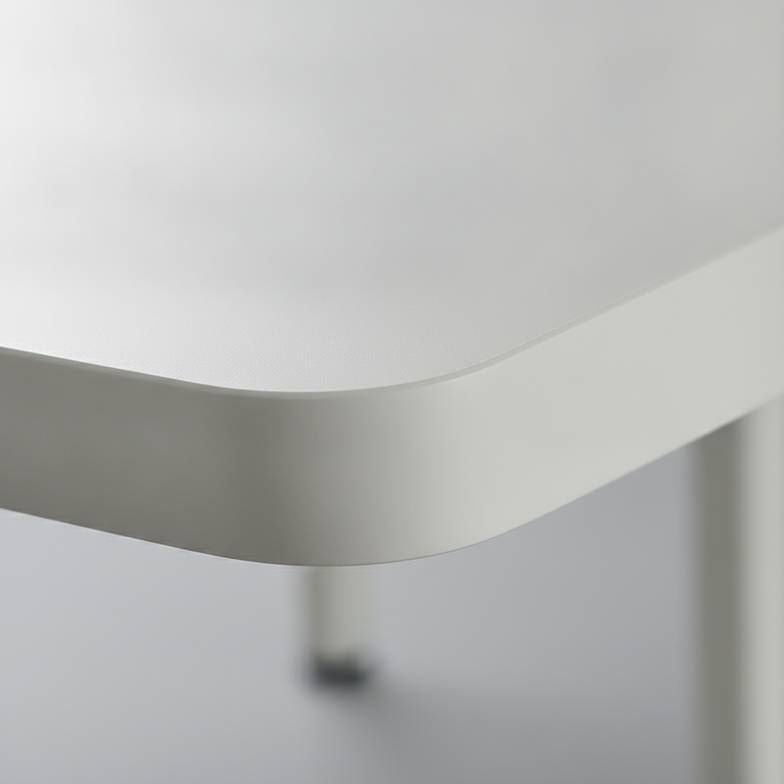
Understanding these nuances is the difference between a successful investment and a costly procurement error. This guide will walk you through the critical questions to ask, helping you de-risk your purchase and select the perfect bed for your facility's unique requirements.
What Does "X-Ray Translucent" Actually Mean for a Hospital Bed?
You've likely seen the terms "radiolucent" or "X-ray translucent" frequently in supplier catalogs and product descriptions. This marketing language, however, can hide crucial differences in material performance, potentially leading to expensive purchasing mistakes. Let's clarify what this specification truly involves from a procurement standpoint.
"X-ray translucent" simply means the bed's patient platform is constructed from a material that allows X-rays to pass through it with minimal interference. This enables clinical staff to perform in-bed imaging without repositioning a fragile or critical patient. The actual quality and clarity of the resulting image, however, depend heavily on the specific material used.
Dive Deeper: From Marketing Term to Technical Specification
"Translucent" is not a standardized technical term; it represents a spectrum of performance. A common question we get from buyers is whether a bed is "X-ray compatible." The answer is rarely a simple yes or no. The real issue is how compatible it is for a specific diagnostic purpose. This is determined almost entirely by the material of the platform.
When we help clients prepare tender documents, we advise them to move beyond the generic term and specify the material itself. This forces suppliers to be transparent and allows for a more accurate, apples-to-apples comparison between different models.
Common Materials and Their Trade-offs
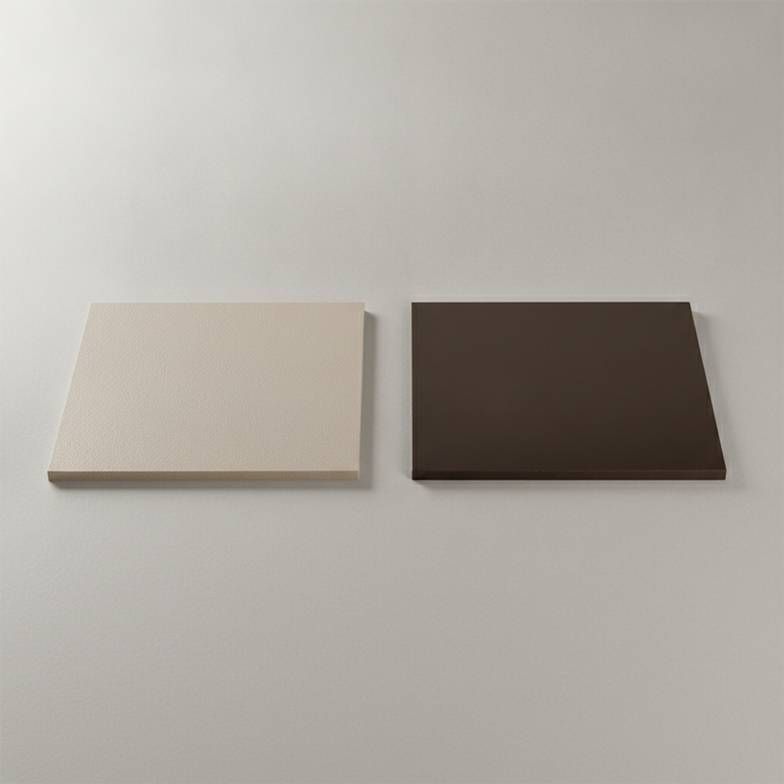
The choice of material impacts image quality, durability, and, most importantly, cost. Here are the three most common materials used for a hospital bed X-ray translucent platform:
- High-Pressure Laminate (HPL): This is the workhorse material for most hospital beds. HPL offers a fantastic balance of radiolucency, durability against cleaning agents, and affordability. For general wards where in-bed X-rays are performed occasionally, an HPL platform is often the most practical and cost-effective solution.
- Phenolic Resin Board: A step up from HPL, phenolic resin provides superior image clarity with fewer artifacts. It is denser, stronger, and more resistant to scratches and moisture. This material is typically found in higher-end electric beds destined for the ICU, emergency room, or specialized orthopedic wards where imaging quality is paramount.
- Carbon Fiber: Representing the premium end of the market, carbon fiber offers the highest level of radiolucency, resulting in exceptionally clear images. It is also incredibly strong and lightweight. However, its high cost means it is usually reserved for dedicated operating room imaging tables or top-of-the-line ICU beds where advanced fluoroscopy is a daily requirement.
To make an informed decision, compare these materials based on your facility's priorities:
| Feature | High-Pressure Laminate (HPL) | Phenolic Resin Board | Carbon Fiber |
|---|---|---|---|
| Image Clarity | Good | Excellent | Superior |
| Durability | Good | Excellent | Excellent |
| Cost | $$ | $$$ | $$$$$ |
| Common Use Case | General Wards, Clinics | ICU, Emergency, Orthopedics | Specialized Imaging, OR |
How Does a Hospital Bed X-Ray Translucent Platform's Coverage Affect Use and Cost?
You will often see options for an "X-ray translucent backrest" and a "full X-ray translucent platform." Choosing the wrong option means you either lack critical imaging capabilities when you need them most or have significantly overpaid for a feature your department will rarely, if ever, use. Matching the coverage area to the department's clinical workflow is essential for a smart, cost-effective purchase.
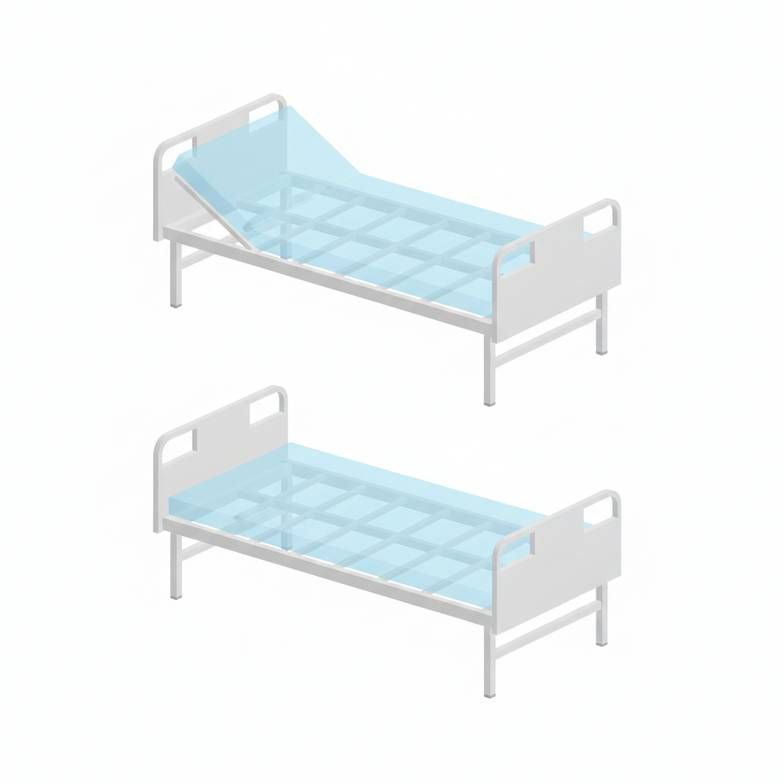
The coverage area dictates which parts of a patient's body can be imaged directly in the bed. A translucent backrest is typically sufficient for routine chest X-rays in general patient rooms. In contrast, a full-length translucent platform is essential for trauma, ICU, or orthopedic departments that require comprehensive, head-to-toe imaging with a mobile C-arm.
Dive Deeper: Matching Coverage to Clinical Need
The decision between a backrest-only and a full-length platform is a critical cost-benefit analysis. A full-length platform can increase a bed's cost by 15-30% or more, an expense that adds up quickly across a large order.
The Backrest-Only Option: Practical for General Wards
This is the most common and practical configuration for the vast majority of hospital beds.
- Function: It allows for portable X-ray imaging of the patient's chest and upper abdomen, which accounts for the bulk of routine in-bed radiographic procedures.
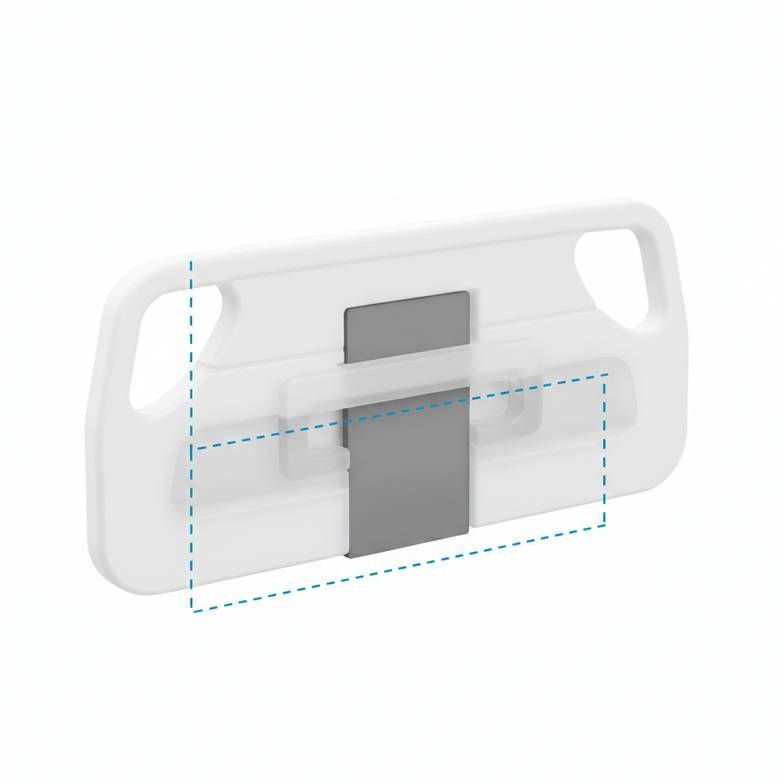
- Mechanism: The bed includes a built-in slot or tunnel behind the backrest where a technician can slide a standard X-ray cassette or digital detector plate.
- Cost-Effectiveness: This option provides essential imaging capability without the high cost of a full-length platform. For a hospital-wide bed replacement, specifying this for general wards saves a significant amount of capital that can be allocated elsewhere. A common mistake we see is procurement teams ordering a single, high-spec model for all departments, leading to unnecessary expenditure.
The Full-Length Platform: A Must-Have for Critical Care
This feature is designed for high-acuity environments where patient mobility is limited and diagnostic needs are complex.
- Function: A full-length platform allows for imaging of the entire spine, pelvis, and lower extremities without moving the patient. It is non-negotiable for Level 1 Trauma Centers and ICUs.
- Mechanism: The entire bed surface, from head to foot, is made of a radiolucent material. The bed's understructure is designed with significant open space to allow a C-arm to move horizontally and vertically for dynamic imaging (fluoroscopy).
- Procurement Insight: When sourcing for an ICU or ER project, "full-length X-ray translucent platform" becomes a mandatory specification. We often help buyers create two distinct bed configurations in their tender documents: a cost-effective model for general use and a high-performance model for critical care units. This tailored approach optimizes both clinical function and budget.
What Verifiable Details for a Hospital Bed X-ray Translucent Platform Go Beyond the Brochure?
A supplier’s specification sheet confidently states "X-ray Compatible." But will your hospital's specific X-ray cassettes actually fit into the holder? Is the platform strong enough to support a bariatric patient without flexing and distorting the image? Will your C-arm be able to maneuver properly? Relying on a simple checkmark is a procurement risk.
Beyond a simple "yes," buyers must demand verifiable data. You need to confirm the exact inner dimensions of the X-ray cassette tunnel, its certified load-bearing capacity, and the clear space available for C-arm access. Requesting technical drawings, detailed photos, or even a product sample can prevent costly compatibility disasters after delivery.
Dive Deeper: Your Pre-Purchase Verification Checklist
To avoid post-delivery surprises, you must shift your focus from supplier claims to verifiable evidence. I once worked with a client who discovered after receiving a container of 100 beds that the cassette tunnels were 1cm too narrow for their hospital's standard detectors. It was a stressful and costly lesson in the importance of verifying dimensions beforehand.
Here are the critical details to confirm with any potential supplier.
Confirming the X-Ray Cassette Holder/Tunnel
This feature is not one-size-fits-all. Cassette and digital detector (DR panel) sizes can vary by manufacturer and region.
- Key Questions to Ask:
- "What are the exact internal dimensions (width x length x height) of the cassette tunnel?"
- "Can you provide a technical drawing of the cassette insertion point?"
- "Is there a centering guide to help align the cassette with the patient's anatomy?"
- "Can you send a photo showing a standard 14x17 inch cassette inside the tunnel?"
C-Arm Compatibility: A Matter of Geometry
For a full-length platform, C-arm compatibility is about more than just a clear top surface. The entire bed base must be engineered to accommodate the geometry and movement of the imaging device.
- Key Questions to Ask:
- "What is the vertical clearance height from the floor to the underside of the bed platform?"
- "What is the horizontal width of the C-arm access space?"
- "Can you provide a diagram showing the full range of longitudinal C-arm travel?"
- "Have you confirmed compatibility with specific models like the Siemens Cios or GE OEC series?"
Load-Bearing Capacity and Durability
The translucent platform must be rigid enough to support the patient's full weight without sagging or flexing, which can compromise image quality.
- Key Questions to Ask:
- "What is the specified material (HPL or phenolic) and what is its thickness in millimeters?"
- "What is the independent safe working load of the X-ray platform section?"
- "What is the warranty period for the platform against cracking, warping, or discoloration?"
By demanding this level of detail, you transform the conversation from a sales pitch into a technical review, ensuring the product you buy is the product you actually need.
Frequently Asked Questions
Is a more expensive phenolic resin platform always better than HPL?
Not necessarily. Phenolic resin offers superior image clarity and durability, making it ideal for high-use ICU or imaging departments. However, for general wards with less frequent X-ray needs, a quality HPL platform is a more cost-effective and perfectly suitable choice that meets clinical standards.
Can I add an X-ray translucent backrest to an existing hospital bed?
Generally, no. The X-ray translucent platform and the integrated cassette holder are fundamental to the bed's core structure and safety certifications. This feature must be designed and built into the frame during manufacturing and cannot be retrofitted easily or safely onto a standard bed model.
What is the difference between an X-ray bed and a fluoroscopy bed?
While related, they serve different functions. A standard bed with an X-ray backrest has a slot for a static cassette to take a single image. A fluoroscopy-compatible bed must have a full-length translucent platform and an open base design to allow a C-arm to perform real-time, moving X-ray imaging (fluoroscopy).
Does the mattress affect the X-ray image quality?
Yes, it can. A standard, high-density foam mattress can create some "shadows" or artifacts on the X-ray image. For the clearest possible results, especially in critical care settings, a special low-density, radiolucent foam mattress is recommended. You should always confirm if this type of mattress is included or is an optional accessory.
Conclusion
Choosing the right hospital bed X-ray translucent platform requires you to move beyond simple marketing claims and engage in a detailed technical verification process. By confirming the specific material, defining the necessary coverage area based on department workflow, and verifying critical dimensions for cassette and C-arm compatibility, you can ensure the bed you purchase perfectly aligns with your clinical needs and budget. This diligent, specification-driven approach prevents costly compatibility issues, eliminates the risk of over-spending, and ensures you are investing in a feature that adds tangible, long-term value to patient care and diagnostic efficiency.
If you are sourcing hospital beds and need help clarifying these specifications for a project, tender, or distributor stock, please contact us. At CareFurnex, we specialize in helping healthcare buyers navigate the technical details to make a confident and practical procurement decision.
Written by
CareFurnex Team
CareFurnex Team shares practical knowledge about hospital beds, patient room furniture, medical trolleys, clinic furniture, and healthcare facility procurement for international B2B buyers.
Related Products
Hospital Beds
General-purpose patient beds for inpatient wards and standard hospital rooms.
View product
Electric Hospital Beds
Motorized multi-function beds with electric height, backrest, and leg adjustment options.
View product
Ward Furniture
Complete ward furniture options for patient rooms and hospital care areas.
View product