
Many hospital project buyers treat companion beds as a minor furniture item, only to face problems with room layout, caregiver complaints, or unexpected shipping costs. You might receive several quotes for "companion beds," but the products have different structures, sizes, and included parts, making a fair comparison impossible. Choosing by photo or unit price alone is a significant procurement risk.
For most hospital ward projects, choose folding companion beds when nighttime rest and daytime storage are the priority. Choose chair-beds when the room also needs daytime seating and a more integrated caregiver solution. Before comparing prices, you must confirm room function, open and folded size, included items, packing volume, trade term, and lead time.
This guide explains how to select, specify, and source companion beds for hospital wards, helping you avoid common procurement mistakes and ensure the product you order is the product your project needs.

How Should Buyers Choose Between a Folding Companion Bed and a Chair-Bed?
Choose based on the room's primary daily function, not just the unit price. A folding companion bed and a chair-bed solve different ward-use problems and are not directly interchangeable.
A folding bed is a single-function item: a place to sleep that can be stored away. A chair-bed is a dual-function item, providing both daytime seating and a nighttime sleeping surface. From a supplier's perspective, our first question for an inquiry is about the room's use: "Does the room need a place for a caregiver only at night, or must the same furniture also work as a comfortable visitor chair during the day?"
Your practical first step is to define the primary need for each ward type. Do you need a simple, storable sleeping surface, or a dual-function product that replaces a separate visitor chair? A good supplier will also ask about the room's service level. A standard ward might only need a basic folding bed, while a private room or nursing home may require the added comfort of a chair-bed. The main risk is choosing by price alone and getting the wrong solution. If you buy cheap folding beds for rooms that also need seating, you may have to purchase extra chairs later, increasing total cost and room clutter.
Folding Companion Bed vs. Chair-Bed Comparison
This table helps you decide which product type is more suitable for your hospital ward project.
| Comparison Point | Folding Companion Bed | Chair-Bed | Buyer Decision Note |
|---|---|---|---|
| Main Use | Nighttime rest, daytime storage | Daytime seating plus nighttime rest | Choose based on how the room is used. |
| Daytime Function | Usually stored or folded away | Works as a chair or seating option | Useful when visitor seating is needed. |
| Space Planning | Check open and folded size | Check chair position and sleeping extension | Both need layout confirmation. |
| Comfort Expectation | Depends on mattress/cushion design | Must work for both sitting and sleeping | Do not evaluate a chair-bed only as a bed. |
| Suitable Room Type | Standard wards, temporary caregiver rest | Private rooms, nursing homes, higher-service rooms | Match to the room's service level. |
| Cost Comparison | Lower unit price may not include seating | Higher unit price may replace a separate chair | Compare total room furniture cost. |
| What to Confirm | Open size, folded size, storage position | Sitting size, sleeping size, conversion method | Confirm these details before quotation. |
The key takeaway is to evaluate the total furniture solution for the room. A higher-priced chair-bed might be more cost-effective if it eliminates the need for a separate visitor chair.
What Room Layout Details Should Buyers Check Before Selecting a Companion Bed?
You must check both the open and folded dimensions against your ward layout before confirming an order. A companion bed that looks compact in photos can still block movement, cleaning access, or other essential ward furniture.
A common mistake is assuming any "folding" bed will automatically save space. In a busy hospital ward, space is not just about dimensions; it's about workflow. The companion bed must not interfere with staff access to the patient, patient transfers, medical trolleys, or daily cleaning routines. When we prepare ward furniture suggestions, we don't look at the companion bed in isolation. We review it alongside the hospital bed, bedside cabinet, overbed table, and main walkways.

Before ordering, get the open and folded dimensions from your supplier and mark them on your room floor plan. I often remind buyers to decide on two key positions: where the bed will be used at night and where it will be stored during the day. For project orders with multiple room types, we recommend a room-by-room list to ensure you don't order a single model that fits in larger private rooms but creates problems in smaller standard wards. The risk of ignoring layout is operational disruption. A poorly placed bed can become a hazard, leading to staff complaints and rendering your investment useless.
Which Configuration Details Should Be Confirmed Before Comparing Supplier Quotations?
Confirm the frame structure, cushion or mattress inclusion, folding method, and all included items. Similar photos do not mean similar products, and comparing quotes without a standard configuration is unreliable.
In my experience, many quotation disputes start because a buyer compared suppliers based on photos and a product name like "companion bed." One supplier might quote a basic steel frame with a thin pad, while another quotes a sturdier structure with a thicker mattress. The prices will be different, but so is the product. A professional quotation should feel less like a price list and more like a specification sheet.
Your best action is to create a standard specification sheet for your RFQ. Insist that all suppliers quote based on the same required details: product type, dimensions, frame material, cushion details, and included vs. optional parts. When we prepare a quotation, we clearly state what is included—the frame, mattress, any locking casters, and standard export packing. Optional items are listed separately. The risk of comparing vague quotes is choosing a low price for an inferior product. You might save 10% on the unit price only to find you need to spend 20% more on mattresses.
Why Can a Lower Unit Price Become More Expensive After Packing and Shipping?
A lower unit price can become more expensive because bulky packing increases freight costs—a significant part of the total landed cost. With furniture, you are not just shipping the product; you are shipping the air around it.
Buyers often focus on the ex-factory (EXW) or Free on Board (FOB) unit price and treat packing and shipping as a later detail. This is a critical mistake. I've seen cases where a product with a 15% lower unit price had a 30% larger carton volume (CBM), making it the more expensive option after freight was calculated. Furthermore, weak packing designed to reduce volume can lead to damage during transit. A scratched frame or torn cushion on arrival means project delays and repair costs that erase any initial savings.

Before selecting a supplier, request key packing data: carton dimensions (L×W×H), gross weight, pieces per carton, and the total CBM for your order quantity. When we prepare an export order, we calculate the total CBM and provide a detailed packing list. We also confirm the trade term (e.g., FOB, CIF) so you know exactly which costs are included. The risk is a misleading cost analysis. By choosing a supplier without confirming packing volume and trade terms, you are not comparing the true total cost of getting the product to your hospital ward.
What Quality and Daily-Use Details Matter Most in Hospital Ward Companion Beds?
The most important quality details are frame stability, the durability of the folding or conversion mechanism, and overall user comfort. These beds are often used daily and handled by people who are not trained furniture movers.
Buyers sometimes treat companion beds as less critical than main hospital beds, so inspection might focus only on appearance and quantity. However, a wobbly frame or a difficult-to-operate folding mechanism will quickly lead to complaints from caregivers. For chair-beds, the challenge is greater, as the product must be comfortable for both sitting and sleeping.
From a supplier's perspective, I always suggest checking the function before shipment. Open and close it. Sit on it. Lie on it. Imagine it being used every day for a year. That is the true test of quality. For chair-beds, we focus on the cushion structure; the foam density must be firm enough for supportive seating but forgiving enough for sleep. The risk of a superficial quality check is long-term dissatisfaction. A product that fails or generates complaints after a few months is far more expensive than a slightly higher-priced, durable alternative.
What Should Buyers Send to a Supplier to Get a Clear Companion Bed Quotation?
To get a clear quotation, send a detailed inquiry that includes your room list, quantities, preferred product type, functional requirements, and packing needs. A vague request like "please quote companion beds" will only get you a vague and unhelpful price list.
A professional supplier wants to provide the right solution, not just sell a product. When a buyer sends us a detailed RFQ, it saves time and reduces misunderstanding. It allows us to provide a quotation that is a reliable tool for your decision-making.
Use the following checklist to prepare your inquiry. The more information you provide, the more accurate and comparable your supplier quotations will be.
Companion Bed RFQ Checklist for Bulk or Project Orders
| Item to Confirm | Why It Matters | Buyer Notes / Supplier Answer |
|---|---|---|
| Product Type | Prevents wrong model comparison (folding bed vs. chair-bed). | |
| Room Type / Department | Matches product to actual ward function and service level. | |
| Quantity by Room Type | Supports accurate project planning and volume pricing. | |
| Required Open Size | Confirms nighttime placement and fit. | |
| Required Folded Size | Confirms daytime storage and clearance. | |
| Folding/Conversion Method | Affects daily handling, durability, and user convenience. | |
| Cushion/Mattress Inclusion | Prevents missing components and hidden costs. | |
| Frame & Structure Details | Supports quality and durability comparison. | |
| Included & Optional Items | Avoids unexpected extra costs for accessories or features. | |
| Packing Method | Affects product protection during transit. | |
| Carton Dimensions (L×W×H) | Needed for accurate shipping cost comparison. | |
| Gross Weight / Net Weight | Needed for logistics and handling planning. | |
| Total CBM for Quantity | Crucial for calculating total landed cost. | |
| Trade Term (e.g., FOB, CIF) | Clarifies cost responsibility between buyer and supplier. | |
| Required Lead Time | Supports project schedule and delivery planning. | |
| Inspection Requirements | Reduces risk of receiving non-compliant or damaged goods. |
In conclusion, the best companion bed for your hospital project is not the one with the lowest price tag. It's the one that correctly matches the room's function, fits the physical layout, meets user expectations, and is supported by a clear, comprehensive quotation.
By moving your focus from unit price to total room function and landed cost, you can make a more strategic procurement decision. Before your next project, use the checklist above to prepare your inquiry. Sending a detailed request to a supplier like CareFurnex allows us to help you review product categories, confirm configuration details, and plan for your project's specific packing and delivery needs.
Written by
CareFurnex Team
CareFurnex Team shares practical knowledge about hospital beds, patient room furniture, medical trolleys, clinic furniture, and healthcare facility procurement for international B2B buyers.
Related Products
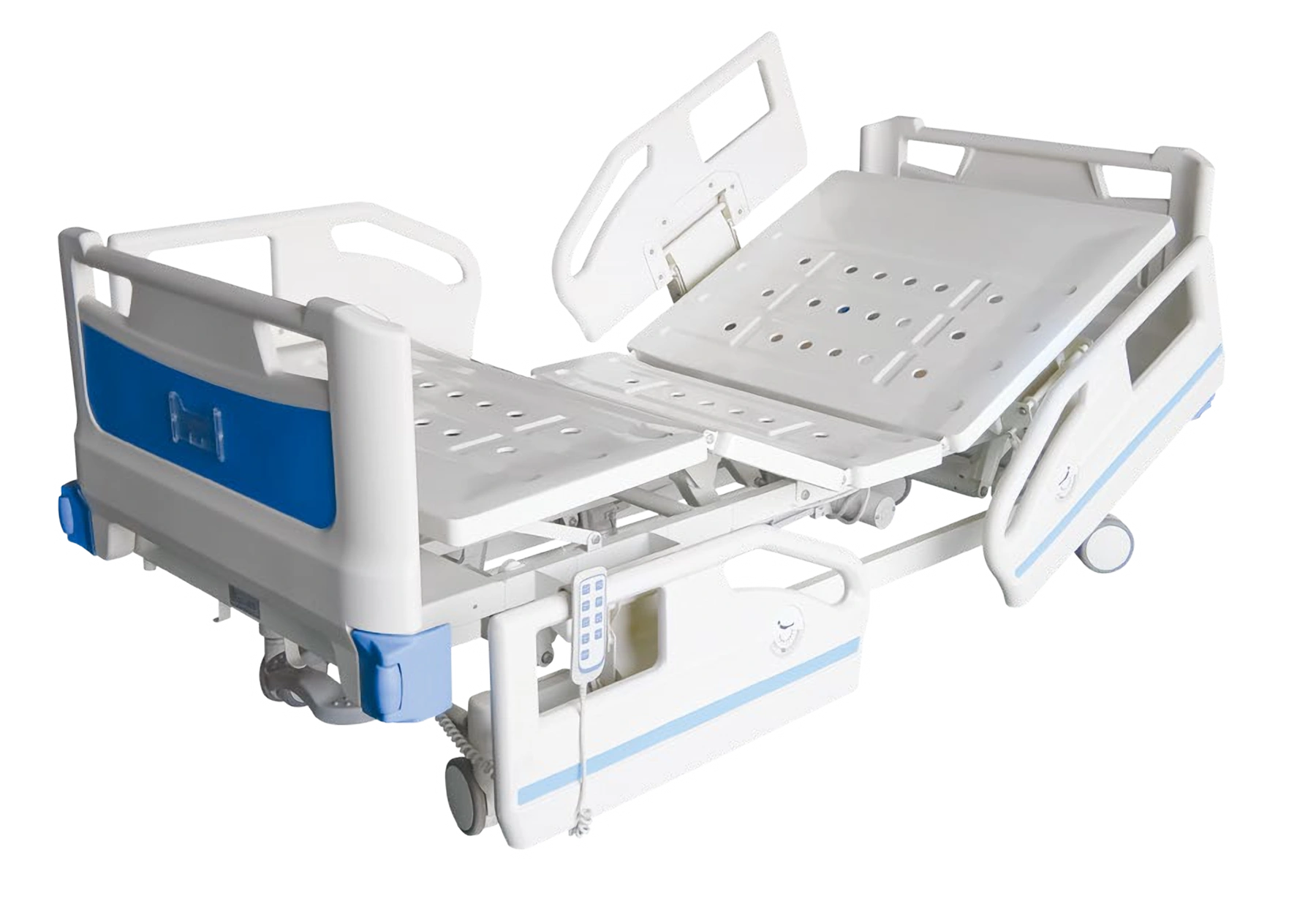
Hospital Beds
General-purpose patient beds for inpatient wards and standard hospital rooms.
View product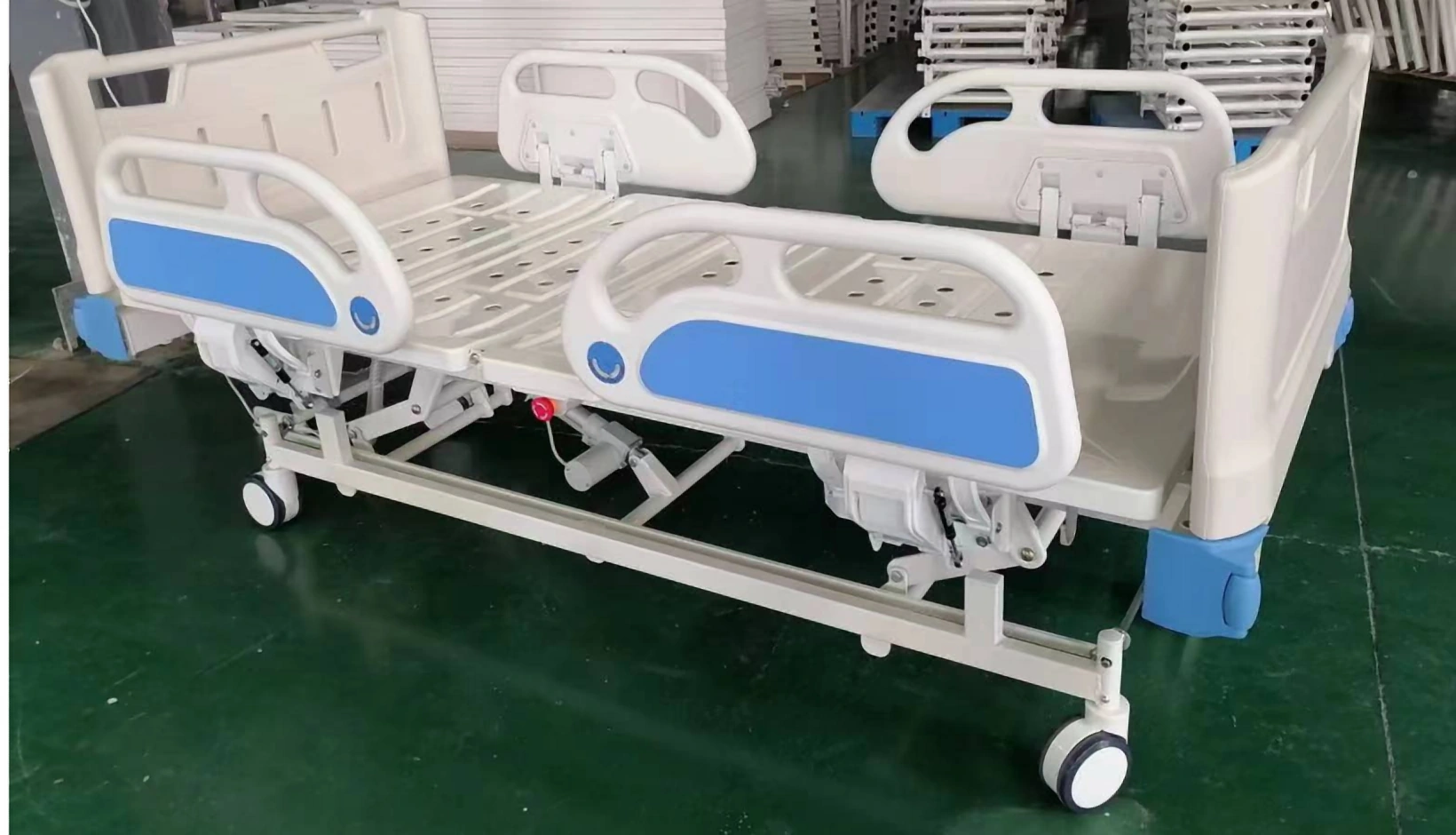
Electric Hospital Beds
Motorized multi-function beds with electric height, backrest, and leg adjustment options.
View product
Ward Furniture
Complete ward furniture options for patient rooms and hospital care areas.
View product