
You're tasked with planning a new VIP ward, and the immediate goal seems clear: find furniture that looks less like a hospital and more like a luxury hotel. But what happens when the chosen "wood finish" bedside cabinet starts peeling after a few months of hospital-grade cleaning? Or when the elegant layout leaves no room for staff to respond in an emergency?
The challenge is that a successful VIP ward must serve two masters: hospitality aesthetics and clinical function. Focusing only on the look is a common starting point, but it can lead to a room that fails to deliver the premium value it promised.
Effective VIP ward furniture planning involves more than selecting premium products. It requires a layout based on clinical and family workflow, a complete list of furniture that supports the entire patient experience, and specifications for materials that balance aesthetic appeal with hospital-grade cleaning requirements.
The better approach isn't to start by picking products. It's to start by planning the space. By thinking about the room in terms of workflow and functional zones, you create a solid foundation for a plan that is both beautiful and operationally sound. This helps you create a clear request for quotation (RFQ) and receive comparable proposals from suppliers.
Why Shouldn't I Just Furnish a VIP Ward Like a Hotel Room?
It's a tempting idea. Hotel furniture looks great and feels comfortable. However, a hospital environment is fundamentally different. The furniture must withstand stresses that residential or hospitality products are never designed for.
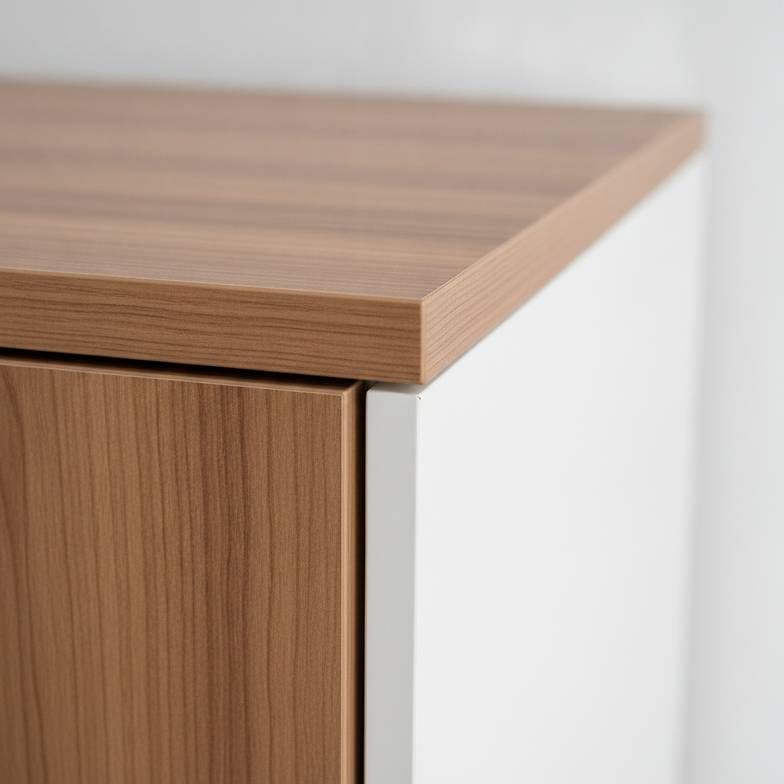
The main difference is durability under clinical conditions. Your cleaning protocols likely involve chemical disinfectants that can damage standard furniture finishes. A residential-grade wood veneer or laminate might look perfect on day one, but it can quickly stain, warp, or delaminate when wiped down daily. The edges of tables and cabinets are especially vulnerable if they aren't properly sealed against moisture.
Beyond cleaning, the furniture must endure 24/7 use and occasional impacts from medical carts, wheelchairs, and other equipment. The real test of VIP ward furniture isn't how it looks in a catalog, but how it holds up after a year of intensive use in a clinical setting.
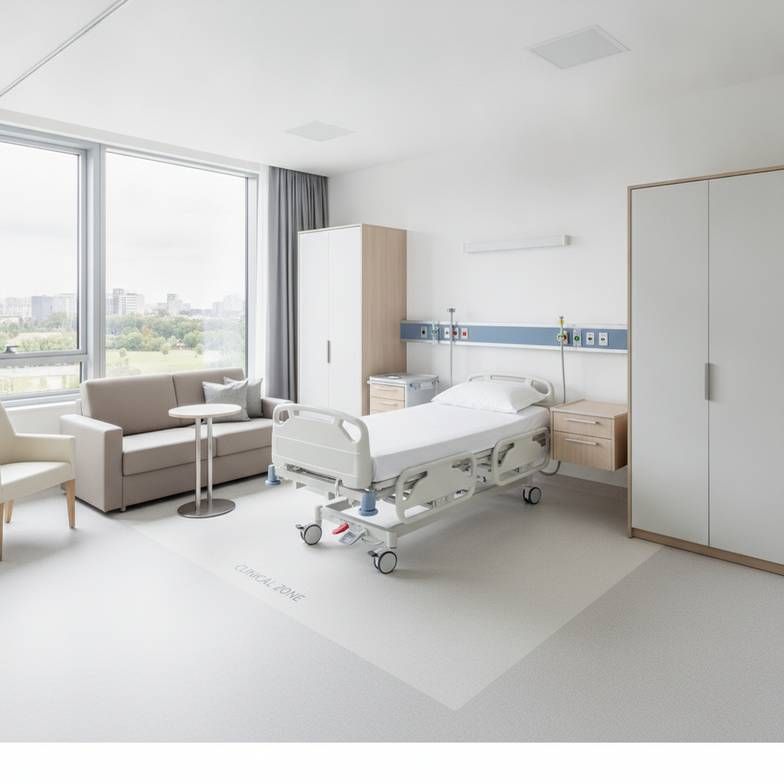
How to Plan Your Layout Using Functional Zones
A successful layout doesn't start with furniture; it starts with workflow. Before selecting a single item, take your room's floor plan—even a simple sketch—and divide it into three functional zones. This simple step transforms a vague goal into a structured plan.
1. The Clinical Zone: This is the area around the medical headwall and the bed. It needs to remain clear enough for staff to have unimpeded access for routine care, patient transfers, and emergency response. All furniture in or near this zone must support, not hinder, clinical activities.
2. The Family/Visitor Zone: The "VIP experience" is often defined by how comfortable the patient's family is. This zone, ideally near a window and away from the main clinical workflow, should be a dedicated space for visitors to sit, work, or even stay overnight. Its furniture requirements are completely different from the clinical zone.
3. The Patient/Personal Zone: This area is for the patient's non-clinical life. It includes storage for personal belongings, clothes, and valuables. Planning this zone helps keep the room uncluttered and provides the patient with a sense of personal space and security.
Mapping these zones first helps you identify potential layout problems early, like a wardrobe door that blocks the bathroom or a visitor chair that gets in the way of staff.
Checklist: What Furniture Creates a Complete VIP Room Experience?
Focusing only on the bed and bedside cabinet is a common oversight. A truly premium experience is holistic, considering the needs of the patient, their family, and clinical staff. This checklist, organized by functional zone, helps you build a complete furniture list for your project.
VIP Room Planning Zone Checklist
| Zone | Key Activities in this Zone | Required Furniture Items | Key Specification Checkpoint |
|---|---|---|---|
| Clinical Zone | Medical access, patient monitoring, patient transfers, emergency response. | Fully electric bed, overbed table, IV pole, space for medical equipment. | Does the bed have key clinical functions (e.g., nurse control)? Is the overbed table surface chemical-resistant? Is there clear access around the bed? |
| Family / Visitor Zone | Sitting for long periods, sleeping overnight, working on a laptop, charging devices. | Sleeper sofa or recliner, side table, task lighting. | Is the upholstery designed for healthcare use and easy to clean? Are integrated power/USB outlets included or accommodated? Does it convert to a bed easily? |
| Patient / Personal Zone | Storing personal belongings, patient dining (separate from clinical), hanging clothes. | Bedside cabinet with lockable drawer, wardrobe with space for luggage. | Is there a secure place for valuables? Is the storage sufficient for a multi-day stay? Is the overbed table suitable for dining? |
The difference between a simple visitor chair and a sleeper sofa designed for healthcare use is significant. If allowing family to stay overnight is part of your hospital's service model, the sleeper sofa is a necessary investment, not an optional upgrade.
What Key Specifications Balance Aesthetics and Durability?
Once you have a zoned layout and a complete furniture list, you can focus on specifications. This is where you check if the "hotel look" can survive in a hospital. Instead of asking for a generic "wood finish," ask suppliers about these key details:
- Surface Material: For high-touch surfaces like overbed tables and cabinet tops, ask for High-Pressure Laminate (HPL). HPL is known for its strong resistance to scratches and the chemicals used in hospital-grade disinfectants. If you can't get a physical sample, ask for a data sheet confirming its properties.
- Edge Sealing: Check that all edges on tables and cabinets are fully sealed. This helps prevent moisture from seeping into the core material during cleaning, which is a common cause of swelling and delamination.
- Upholstery: For visitor seating or sleeper sofas, confirm the fabric is a durable, non-porous material designed for healthcare settings. It should be able to withstand repeated cleaning without fading or degrading.
- Hardware: Details like durable, quiet-rolling casters on overbed tables and smooth-gliding drawer runners contribute significantly to the perceived quality and user experience.
How Should I Prepare My Inquiry for a VIP Ward Project?
A vague request for "10 sets of VIP furniture" will likely result in confusing and incomparable quotes. One supplier might quote a basic bed and chair, while another quotes a comprehensive package with a sleeper sofa and wardrobe, leading to a large, unexplained price gap.
To receive a comprehensive and comparable project proposal, it's best to prepare the following before contacting a supplier:
1. A list of rooms and the quantity of furniture sets needed for each. 2. The basic dimensions for each room type (e.g., 4m x 5m). 3. A simple sketch or floor plan showing the location of the door, window(s), and medical headwall. 4. Your proposed "zone" plan, indicating where you envision the clinical, family, and patient areas. 5. A list of the furniture you believe is required for each zone, noting any special requirements like overnight sleeping for family or specific storage needs.
Sending this information allows us to provide a thoughtful layout proposal and an accurate, all-inclusive quotation. This structured approach gives you the control to deliver a final VIP ward that truly serves your patients, their families, and your clinical team.
Written by
CareFurnex Team
CareFurnex Team shares practical knowledge about hospital beds, patient room furniture, medical trolleys, clinic furniture, and healthcare facility procurement for international B2B buyers.
Related Products
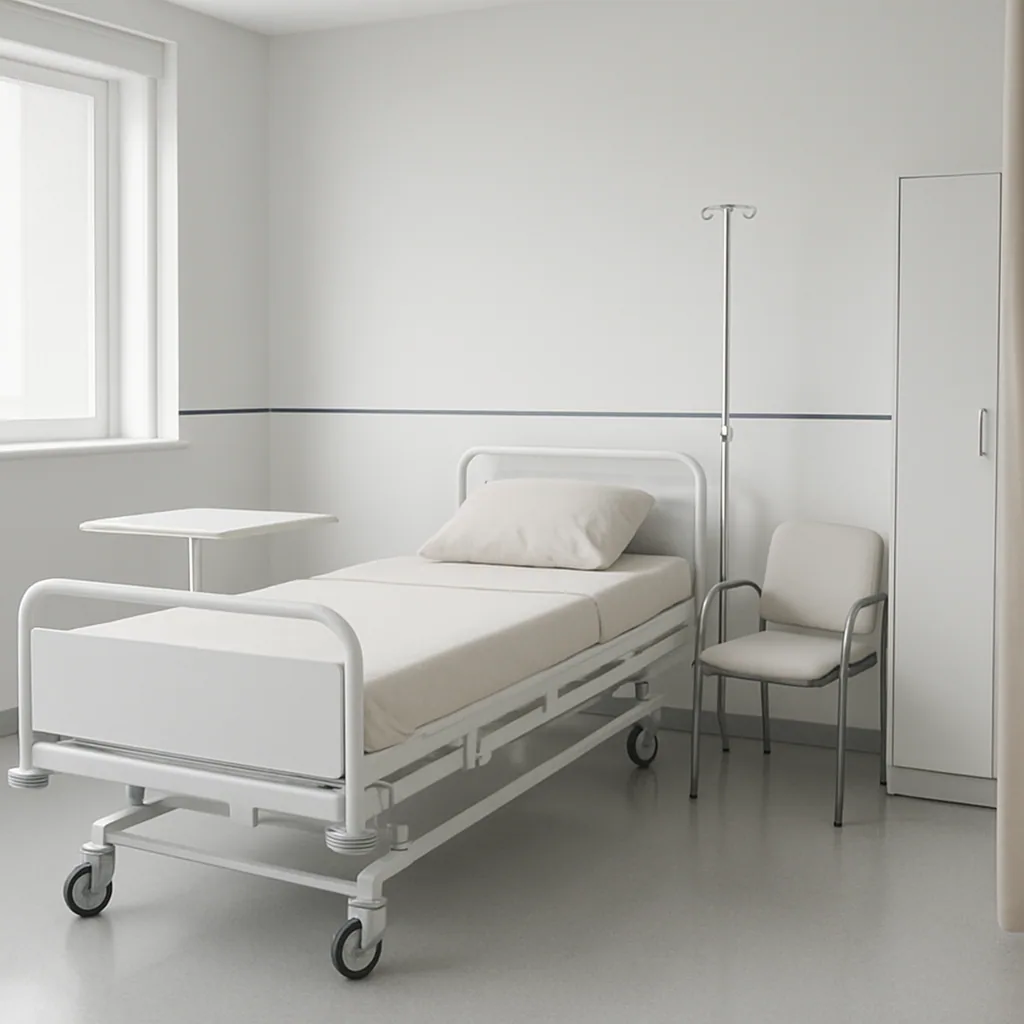
Ward Furniture
Complete ward furniture options for patient rooms and hospital care areas.
View product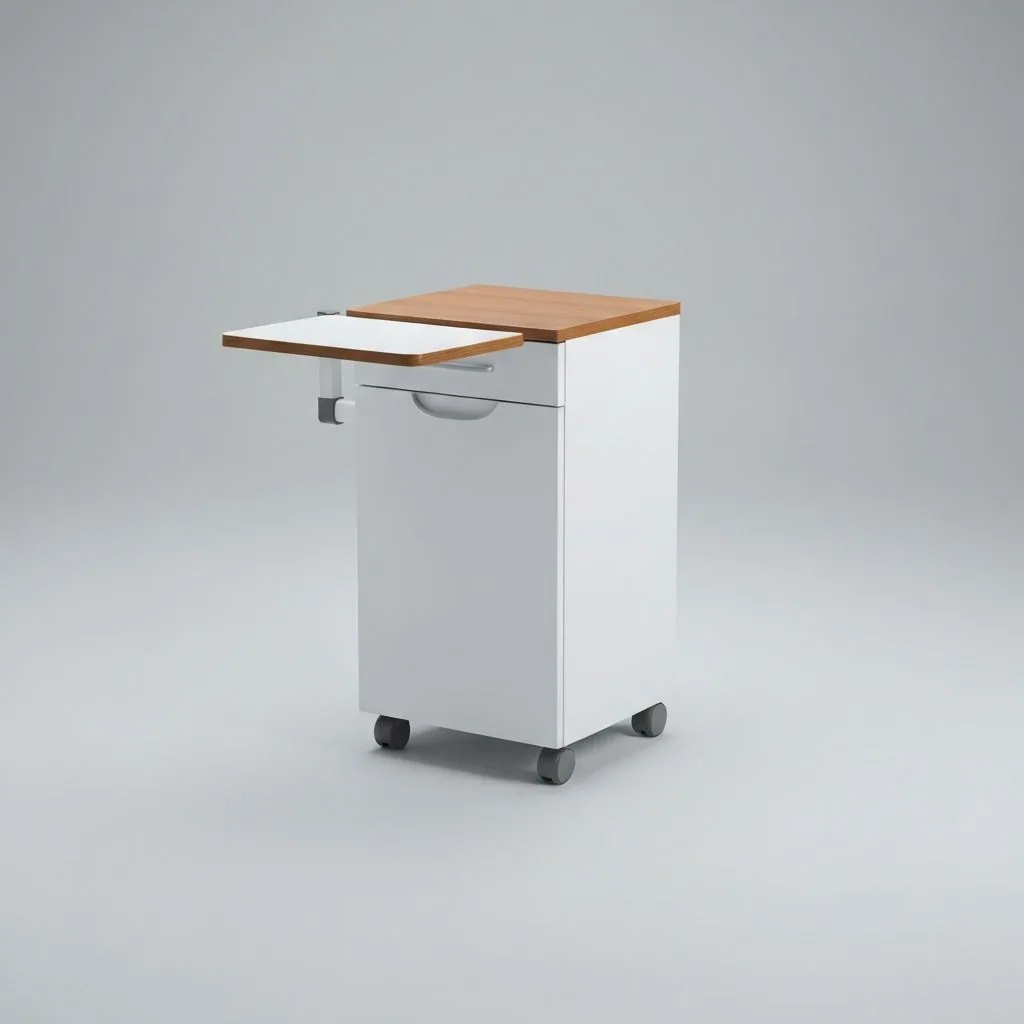
Hospital Bedside Cabinets
Bedside cabinets with drawers, storage, dining board options, and easy-clean materials.
View product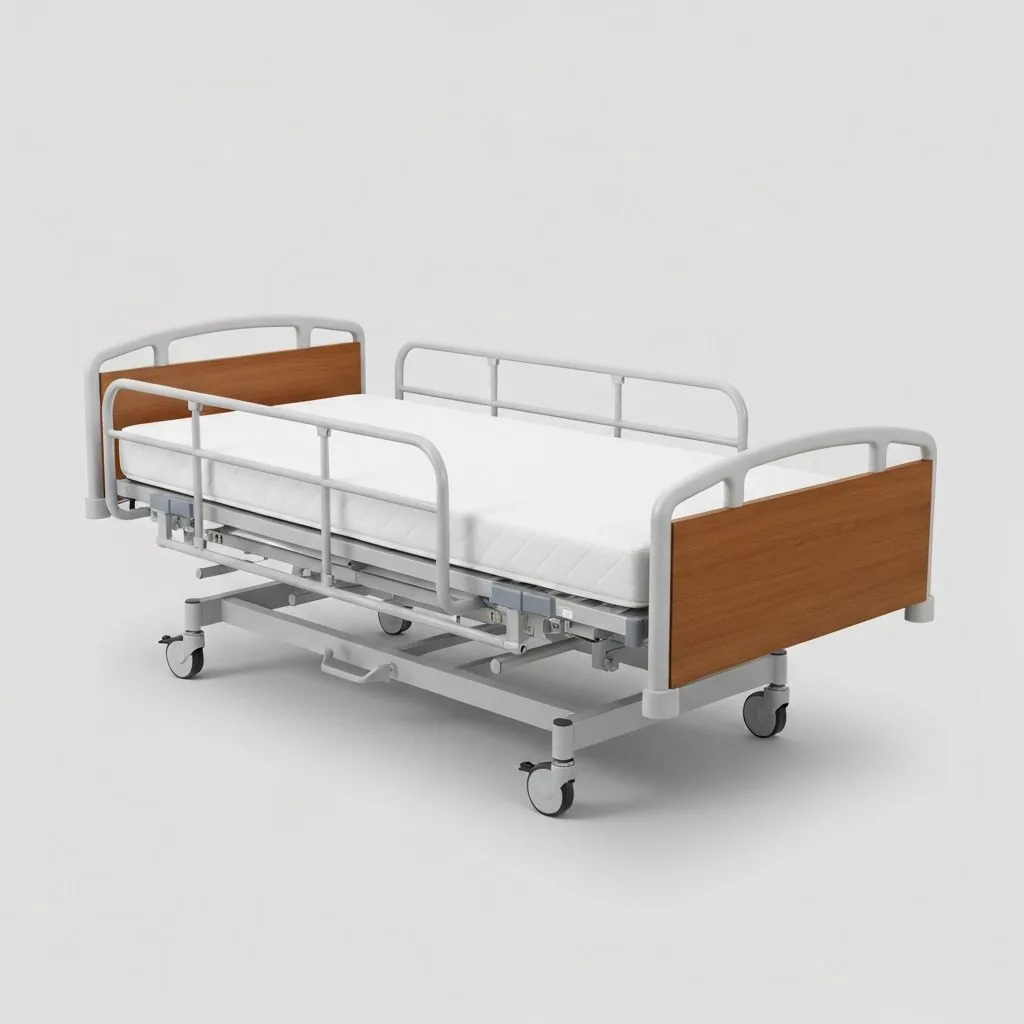
Hospital Beds
General-purpose patient beds for inpatient wards and standard hospital rooms.
View product