
Planning a new triage area often begins with a simple question: "What furniture do we need?" It seems logical to start by making a list of chairs, desks, and carts. But focusing first on a list of items can unintentionally lead to a layout that looks right on paper but creates bottlenecks and frustrates staff in practice.
The real challenge isn't just filling a room with products; it's creating a functional system. When a plan is based on a simple product list, the resulting quotes are often just as disconnected from your operational reality, making it difficult to compare solutions or have confidence in your furniture choices.
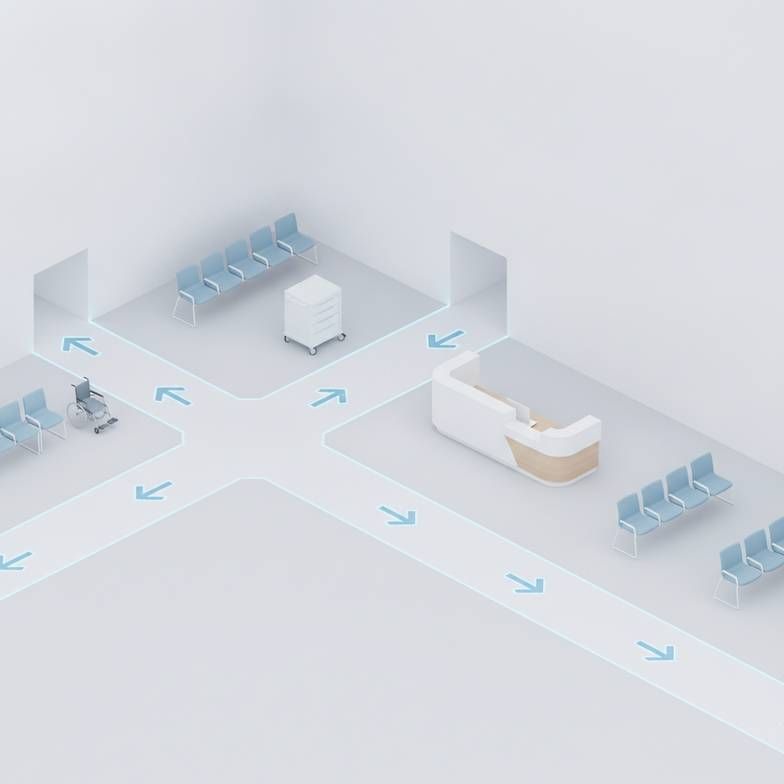
The better starting point is to map how people and equipment will actually move through the space. This shifts the focus from "what to buy" to "how the space needs to work."
Effective triage area furniture planning depends on mapping your patient and staff workflow first. Key factors include defining clear patient pathways to reduce bottlenecks, selecting materials based on your facility's specific cleaning protocols, and choosing product configurations that actively support staff tasks.
These are practical furniture planning principles, not a substitute for architectural, clinical, or local regulatory requirements. You should confirm final layout, material, and hygiene requirements with your facility's project consultant, infection control team, or relevant authorities before ordering.
Where Should Triage Area Planning Begin: With a Product List or a Workflow Map?
Many buyers believe the most organized approach is to start with a detailed floor plan and a furniture list. This isn't automatically wrong, but it misses an important layer: flow. A static floor plan doesn't show how people and equipment will move.
A successful plan starts by mapping the workflow. The furniture is then chosen to support that workflow, not the other way around. This workflow-first approach helps you avoid common and costly planning mistakes.
A simple, hand-drawn map showing movement is often more valuable at the start than a precise architectural drawing filled with furniture.
The Workflow Sketch Test
Before choosing any furniture, take your floor plan and draw simple lines to visualize movement: 1. The path a walking patient takes from the door to the assessment desk. 2. The path a patient in a wheelchair or on a stretcher takes through the same space. 3. The path a nurse takes moving from the desk to a patient with a mobile vitals cart.
This simple test immediately reveals potential bottlenecks, tight corners, or areas where staff movement is blocked. It's a quick way to see if a layout will work in reality before you commit to a purchase.
How Does Patient Flow Affect Layout and Seating Choices?
A common goal in triage planning is to maximize the number of seats. However, this can create a crowded, inefficient space that compromises safety and accessibility. A functional layout balances capacity with clear, unobstructed pathways.
After mapping your patient flow, consider these factors:
- Pathways and Accessibility: Are the aisles wide enough for a wheelchair to turn or for two staff members to pass each other? A layout with fewer chairs but wider pathways is often more efficient and safer.
- Bariatric and Accessible Seating: Your plan should include designated seating with higher weight capacities and designs that are easier for patients with mobility challenges to use. Simply asking for "20 chairs" may not meet the needs of all your patients.
- Patient Segregation: In a busy triage area, the ability to separate patients can be important. This doesn't always require a full redesign. Strategic use of high-back chairs or freestanding screens can be used to create zones that improve privacy and align with infection control strategies.
The trade-off is clear: maximizing seating density often comes at the cost of efficient flow. A layout that prioritizes movement over maximum capacity serves patients and staff better in the long run.
What Furniture Specifications Matter Most for Infection Control and 24/7 Use?
In a high-traffic clinical environment, standard office furniture is typically not designed to withstand 24/7 use or the aggressive cleaning protocols required.
Key specifications are those related to durability and cleanability.
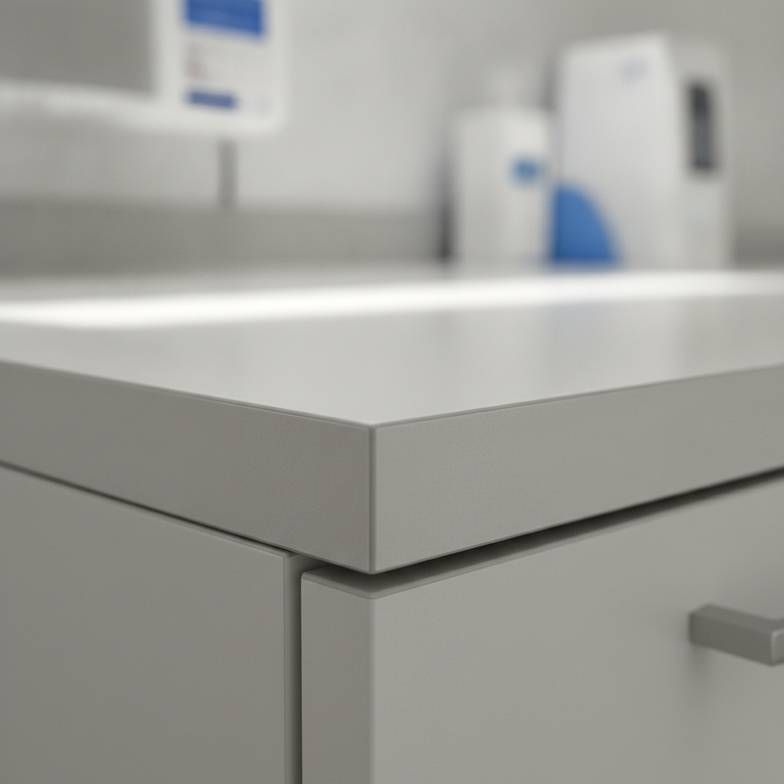
- Material and Surface Finish: The surfaces of your furniture should withstand your facility's specific cleaning and disinfecting agents. Before confirming a product, you need to know if its finish is rated for the chemicals you use daily. A standard laminate may look fine on day one, but it can stain, crack, or peel if it's not compatible with your cleaning protocol. Ask for material data sheets to verify chemical resistance.
- Construction and Design: Look for features designed for clinical use. This includes non-porous surfaces, upholstery with minimal seams where dirt and contaminants can be trapped, and sturdy, fully-welded frames.
- Mobility Components: For mobile carts and workstations, the quality of the casters makes a significant difference. Low-quality casters can stick or break, turning a helpful piece of equipment into a source of staff frustration. High-performance, lockable casters are a valuable feature for a cart that is moved frequently.
Choosing a slightly more expensive, chemical-resistant finish or a cart with better casters is often a more durable choice for the long term than replacing cheaper, unsuitable furniture prematurely.
Practical Checklist: Key Decisions for Your Triage Area Plan
Use this checklist to walk through the planning process. It helps ensure you connect your operational workflow to the final product specifications, covering key steps before you contact suppliers.
Triage Area Planning Phase Checklist
| Planning Phase | What to Define | Key Question for Your Team | What to Confirm with a Supplier |
|---|---|---|---|
| 1. Patient Flow | Patient paths from entrance to assessment; potential for patient segregation; accessibility needs (wheelchairs, walkers). | How can we create clear, unobstructed paths for all patient types? | Does the proposed layout account for patient movement and accessibility? |
| 2. Staff Workflow | Staff work zones (intake, observation); movement paths; location of mobile equipment (vitals carts, etc.). | Where do staff need to be, and what equipment do they need to move? | Are the recommended workstations and mobile units sized for our space and tasks? |
| 3. Product Selection | Product types needed to support the workflow (e.g., bariatric chairs, mobile desks, lockable storage). | What furniture type does this specific task or zone require? | Can you explain why this product is a good fit for this part of our workflow? |
| 4. Specification | Material requirements (chemical resistance); durability needs (24/7 use); weight capacities. | What are our standard cleaning agents and frequency? | Can you provide data on material resistance to our specific cleaners? |
| 5. Quotation Prep | A final list with quantities, key specifications, and a basic layout sketch. | Does our request list give enough detail for a supplier to quote a complete solution? | Is your quotation based on our full plan, including layout and specifications? |
How to Prepare a Clear Plan for Comparable Supplier Quotes
When you send a vague request like "quote for triage furniture," you will get back vague and incomparable quotes. A good request for quotation (RFQ) includes your workflow map, quantities, and key specifications. This encourages suppliers to quote a complete, functional solution.
A supplier who asks questions about your workflow, patient pathways, and cleaning protocols is a partner trying to prevent problems. A quote that arrives without any of these questions being asked is likely just a price list, not a real plan for your space.
Before you request a quotation for your triage area, preparing a few key details helps you receive a functional plan, not just a price list. Send your supplier a simple sketch of your space showing:
1. The patient flow from the entrance to the assessment area. 2. The main staff work zones. 3. A list of the cleaning chemicals your facility uses.
This information allows a project-focused supplier to recommend a layout and products that will work for your team and last in your environment.
Written by
CareFurnex Team
CareFurnex Team shares practical knowledge about hospital beds, patient room furniture, medical trolleys, clinic furniture, and healthcare facility procurement for international B2B buyers.
Related Products
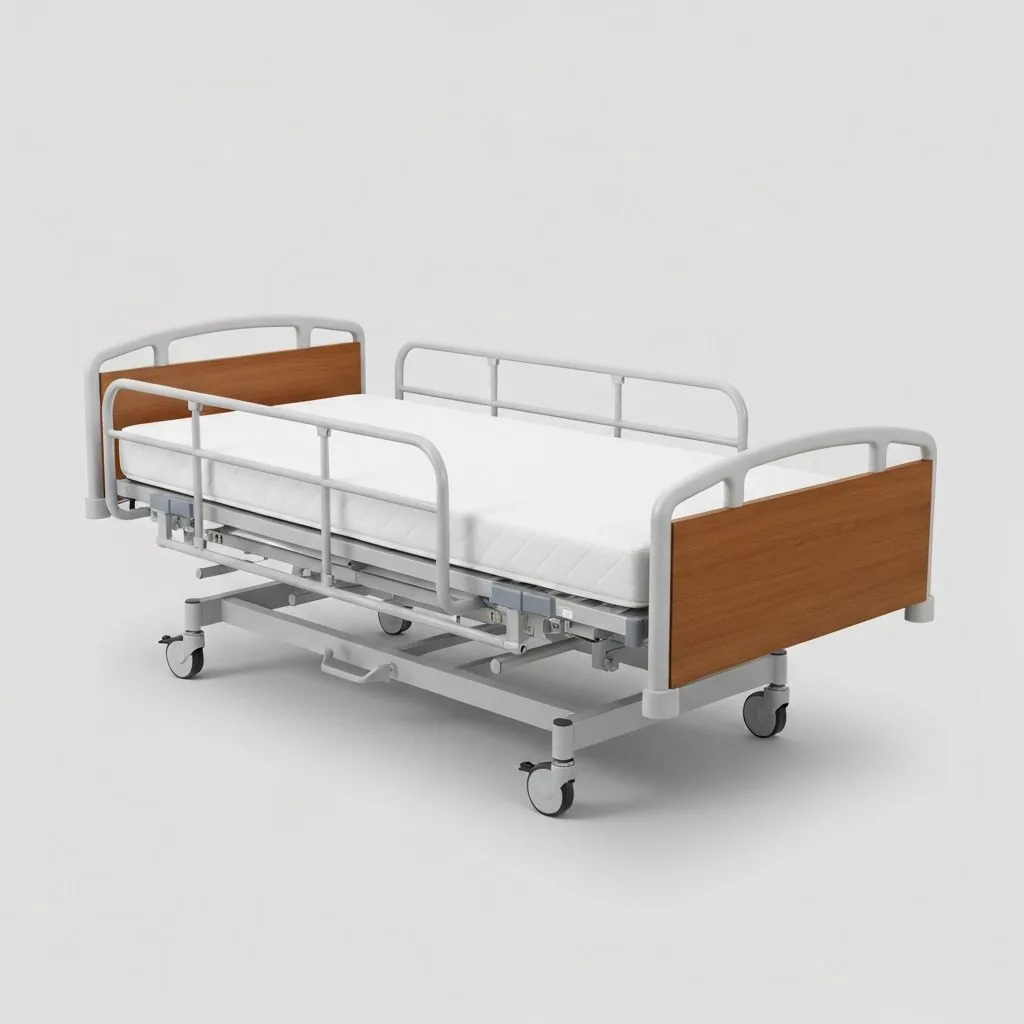
Hospital Beds
General-purpose patient beds for inpatient wards and standard hospital rooms.
View product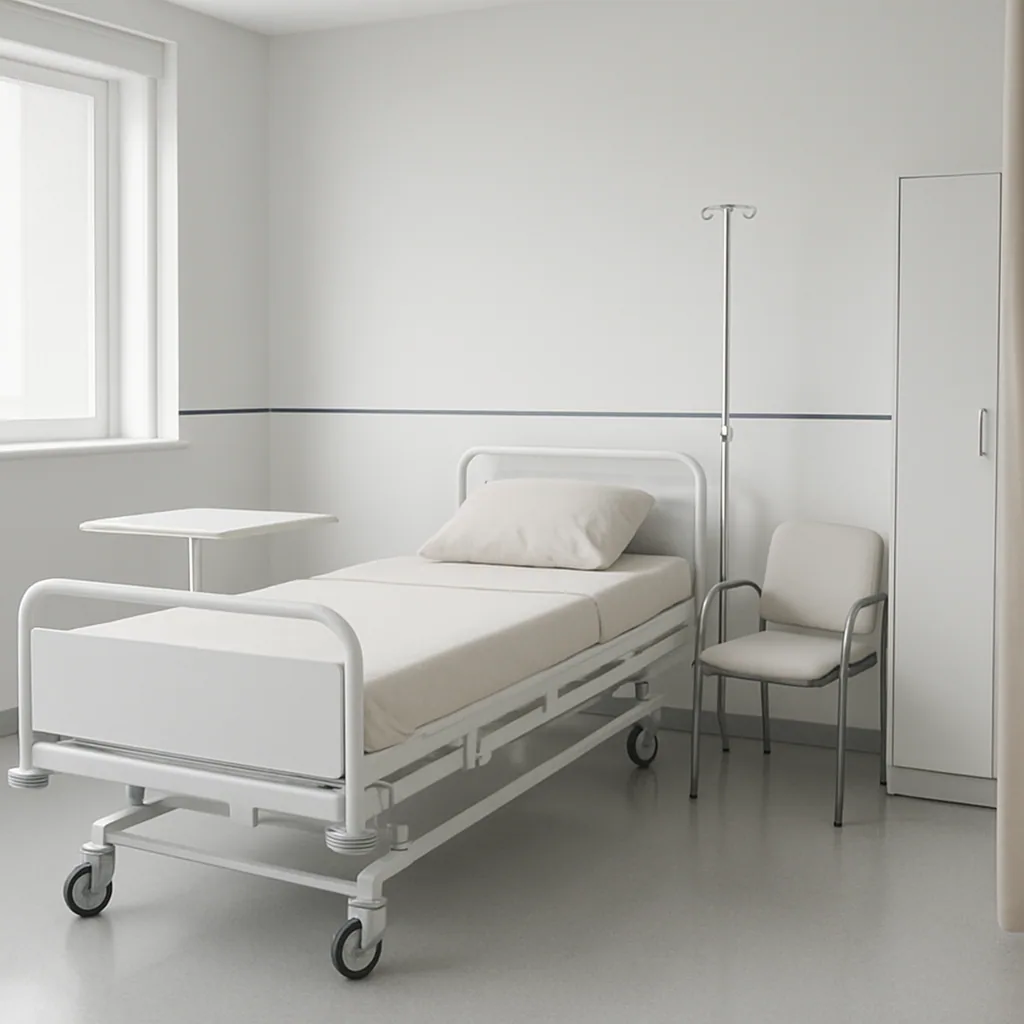
Ward Furniture
Complete ward furniture options for patient rooms and hospital care areas.
View product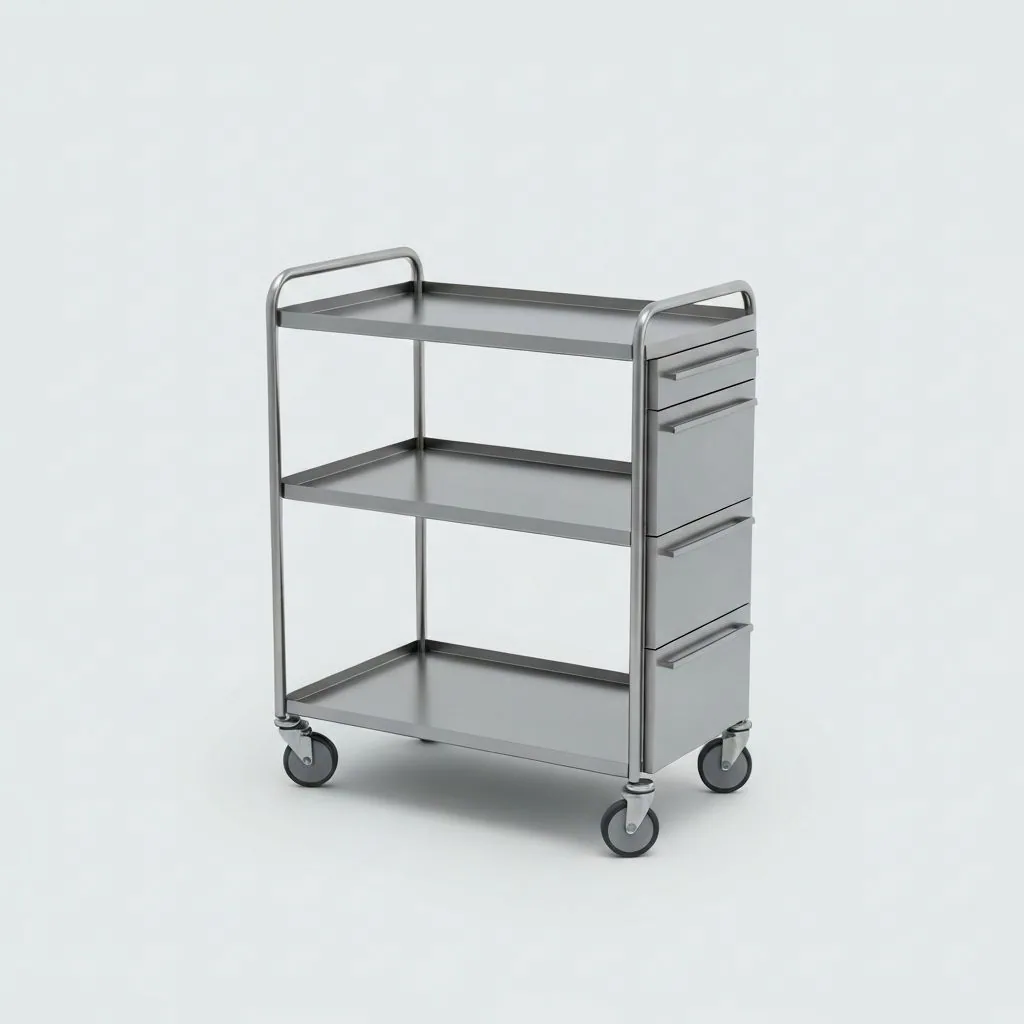
Medical Trolleys
Mobile carts for nursing rounds, treatment supplies, medicines, and clinical tools.
View product