
A common procurement request starts with "price for a standard hospital ward layout." This seems like a straightforward way to get comparable quotes for a bed, cabinet, table, chair, and screen. In practice, this approach often leads to functionally incompatible furniture.
The most frequent mistake we see is an overbed table that cannot fit under the chosen hospital bed. This single error, discovered during assembly, shows why a ward layout should be treated as a functional system, not just a list of items. The "standard" you need is defined by your ward's specific function, not a generic supplier catalog.
A successful hospital ward layout depends less on a single template and more on ensuring functional compatibility. The key decision factors are the specific ward's function, the hospital bed's specifications (especially under-bed clearance), the dimensional fit of the overbed table, and the overall room flow for staff and equipment.
As a supplier, when we receive a request for a "standard set," our first questions are about the project itself. Is it for a general care ward, a post-operative unit, or a bariatric room? The answer changes everything. Without this context, any quotation is just a guess that can create problems for your clinical team and patients later.
What Does a "Standard" Ward Layout Mean for Procurement?
For a procurement manager, "standard" is a useful starting point: one bed, one bedside cabinet, one overbed table, one chair, and one privacy screen per patient space. However, this is just the item list, not the specification.
The real work is defining the functional requirements for each piece based on the ward's purpose.
- General Care Ward: May use a 2-function manual bed and a basic ABS plastic bedside cabinet. The focus is on durability and ease of cleaning for high patient turnover.
- Post-Operative or ICU Step-Down Ward: Often requires a 3- or 5-function electric bed for patient positioning. The overbed table needs to be easily adjustable, and all furniture must allow clearance for monitoring equipment.
- Bariatric Ward: Needs a wider, higher-capacity bed, a reinforced patient chair, and more generous clearance space to support staff workflows and allow for easier patient movement.
- Pediatric Ward: Often features beds with full-length side rails, smaller-scale furniture, and materials selected for durability and ease of cleaning in a child-centric environment.
Treating "standard" as a one-size-fits-all solution is a risk. Before you can compare prices, you must first define the functional standard for your specific clinical environment.
Why the Hospital Bed Is the Anchor of Your Layout
When planning a ward, think of the hospital bed as the anchor. Its specifications set the rules for the other furniture in the room. Buyers who select the bed, cabinet, and table as separate, unrelated items often face compatibility issues.
The bed's design directly impacts two other key items:
1. Under-Bed Clearance: This is the space between the floor and the bed's under-frame. It determines which overbed tables will work. Many beds, especially those with low-profile frames or central braking systems, have limited clearance. An overbed table with a base that is too high simply will not fit. 2. Height Adjustment Range: The bed's lowest and highest positions affect the practical use of the bedside cabinet. If the bed is raised for a clinical procedure, can the patient still comfortably reach the cabinet's surface? If the bed is at its lowest egress position, is the cabinet awkwardly high?
Before you even look at other furniture, we suggest finalizing the core specifications of your hospital bed. This one step provides the key dimensions needed to select compatible components.

What Compatibility Checks Are Needed for Tables and Cabinets?
Assuming that all furniture from a single supplier will automatically work together is a mistake. A supplier's catalog has many options, and a buyer should confirm the fit.
Here are two practical checks to perform before placing an order:
- Overbed Table Check: Request the technical drawing for both the bed and the overbed table. Compare the "base height" of the table to the "under-frame clearance" of the bed. For example, if the table base is 10 cm high, the bed's clearance should be at least 11-12 cm to allow for smooth movement over different flooring types. Pay close attention to the table's base design (e.g., a U-shaped base) and the bed's caster and brake locations.
- Bedside Cabinet Check: Compare the cabinet's total height to the bed's mattress height at its lowest and highest settings. A practical cabinet height allows a patient to easily access items whether they are lying down or sitting up in a fully raised bed. Materials also matter; an ABS plastic cabinet may be suitable for a general ward, while a powder-coated steel unit might offer more durability in a high-traffic environment.
A quotation that does not provide these dimensional details is incomplete. You should ask for technical drawings or specification sheets to verify compatibility yourself.
How Should You Select the Right Chair and Privacy Screen?
The chair and screen are often afterthoughts, but they have a significant impact on room usability and patient experience.
For the chair, the primary question is: who is it for?
- Visitor Chair: The focus is on comfort and a small footprint. A stackable design is often preferred to save space when not in use.
- Patient Chair: This is a clinical item. It is designed with features like enhanced stability and supportive armrests for patient use, which a typical visitor chair lacks.
For the privacy screen, the decision is about coverage and mobility.
- Coverage: Measure the linear distance you need to cover to provide genuine privacy. A 3-panel screen may not be enough. Count the panels and check the total extended length in the product specifications.
- Mobility: Screens on casters offer flexibility, but check that they can be moved easily by one staff member and will not obstruct doorways or access to headwall equipment when folded.

How to Prepare a Clear 'Ward Unit Specification Sheet'
To move from a vague request to a clear inquiry, you can create a specification sheet for a single "ward unit." This document helps every potential supplier quote on the exact same basis, making your comparison fair and accurate.
The following checklist helps you define the key specifications for each component. Use it to build your own master list.
Ward Furniture Compatibility Checklist
| Furniture Component | Key Specification to Define | Compatibility Check with Other Items |
|---|---|---|
| Hospital Bed | Function (manual/electric), height range, under-bed clearance dimension. | This is the anchor. Its specs dictate the requirements for the table and cabinet. |
| Overbed Table | Base design (U/C-base), base height dimension, height adjustment type (gas-spring/screw). | Check: Does the table base height fit under the bed's clearance dimension? |
| Bedside Cabinet | Overall height dimension, material (ABS/steel), lock option, drawers/cupboard. | Check: Is the cabinet height practical when the bed is at its highest and lowest settings? |
| Chair | Type (visitor/patient), stackable (yes/no), footprint dimensions, armrests. | Check: Does the chair's footprint obstruct key movement paths for staff or wheelchairs? |
| Privacy Screen | Number of panels (e.g., 3, 4), total extended length, mobility (casters). | Check: Is the screen's length sufficient to provide privacy without blocking the door or headwall? |
A supplier who receives an inquiry based on this level of detail will recognize you as a serious buyer and can provide a much more useful and accurate quotation.
Preparing Your Inquiry
Before you request a quotation for a hospital ward layout, take the time to prepare a 'Ward Unit Specification Sheet' using the checklist above. Define the functional requirements for each of the five core items.
When you contact suppliers, send them this sheet. This simple step helps you:
- Receive clear, itemized proposals instead of vague "set" prices.
- Compare quotations on a true like-for-like basis.
- Reduce the risk of ordering incompatible furniture.
- Show suppliers that you are a well-prepared project buyer.
A good supplier will appreciate this clarity and can provide a more accurate response that helps your project succeed from the start.
Written by
CareFurnex Team
CareFurnex Team shares practical knowledge about hospital beds, patient room furniture, medical trolleys, clinic furniture, and healthcare facility procurement for international B2B buyers.
Related Products
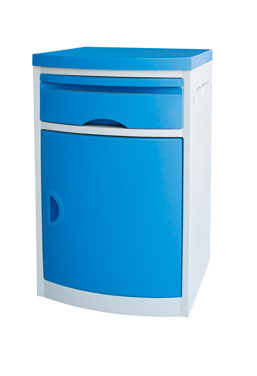
Hospital Bedside Cabinets
This ABS hospital bedside cabinet has a blue top, an upper drawer and a lower door within a light-colored body. Its stated size is 480 × 480 × 760 mm, giving buyers a defined overall footprint for ward furniture planning.
View product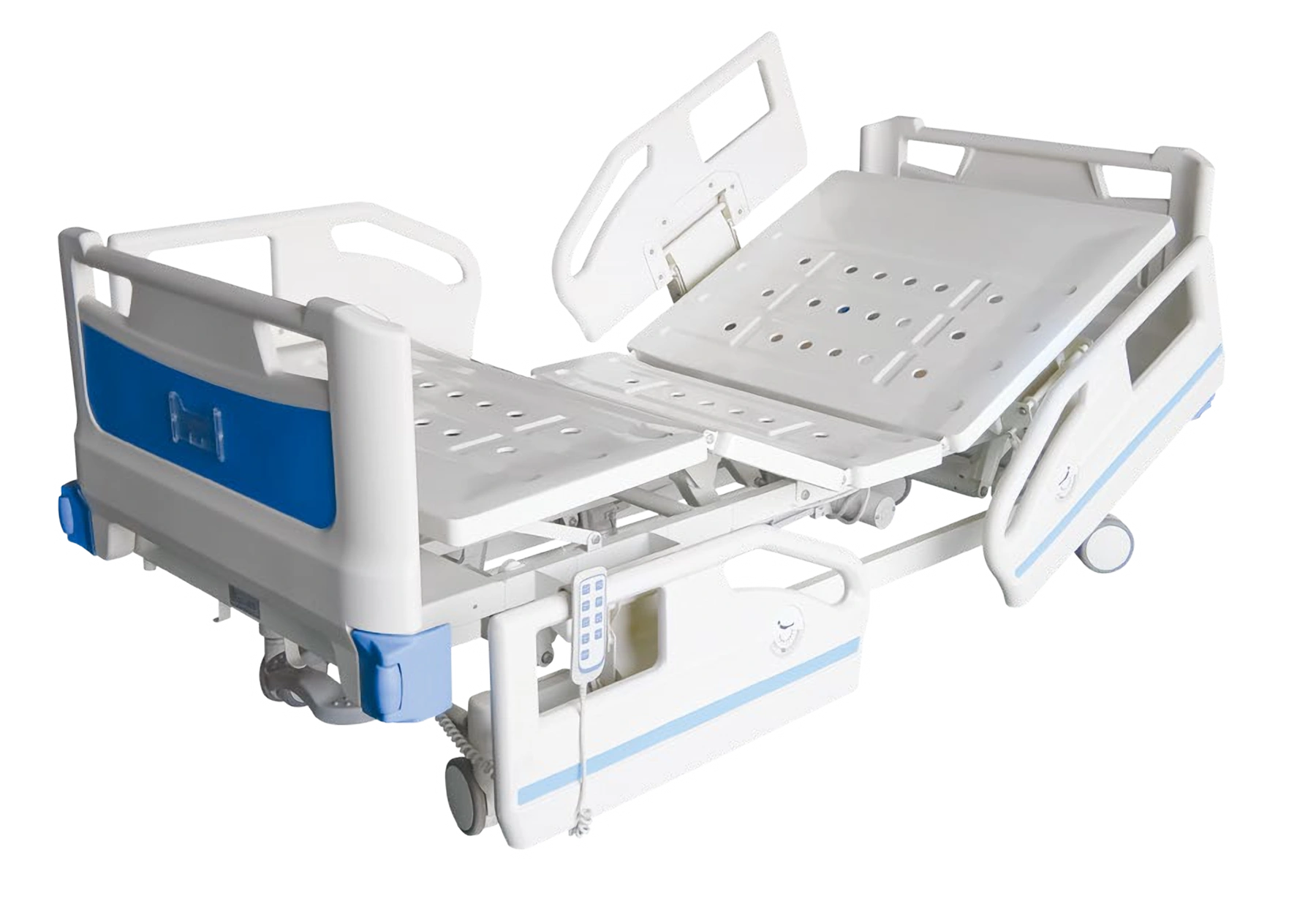
Hospital Beds
General-purpose patient beds for inpatient wards and standard hospital rooms.
View product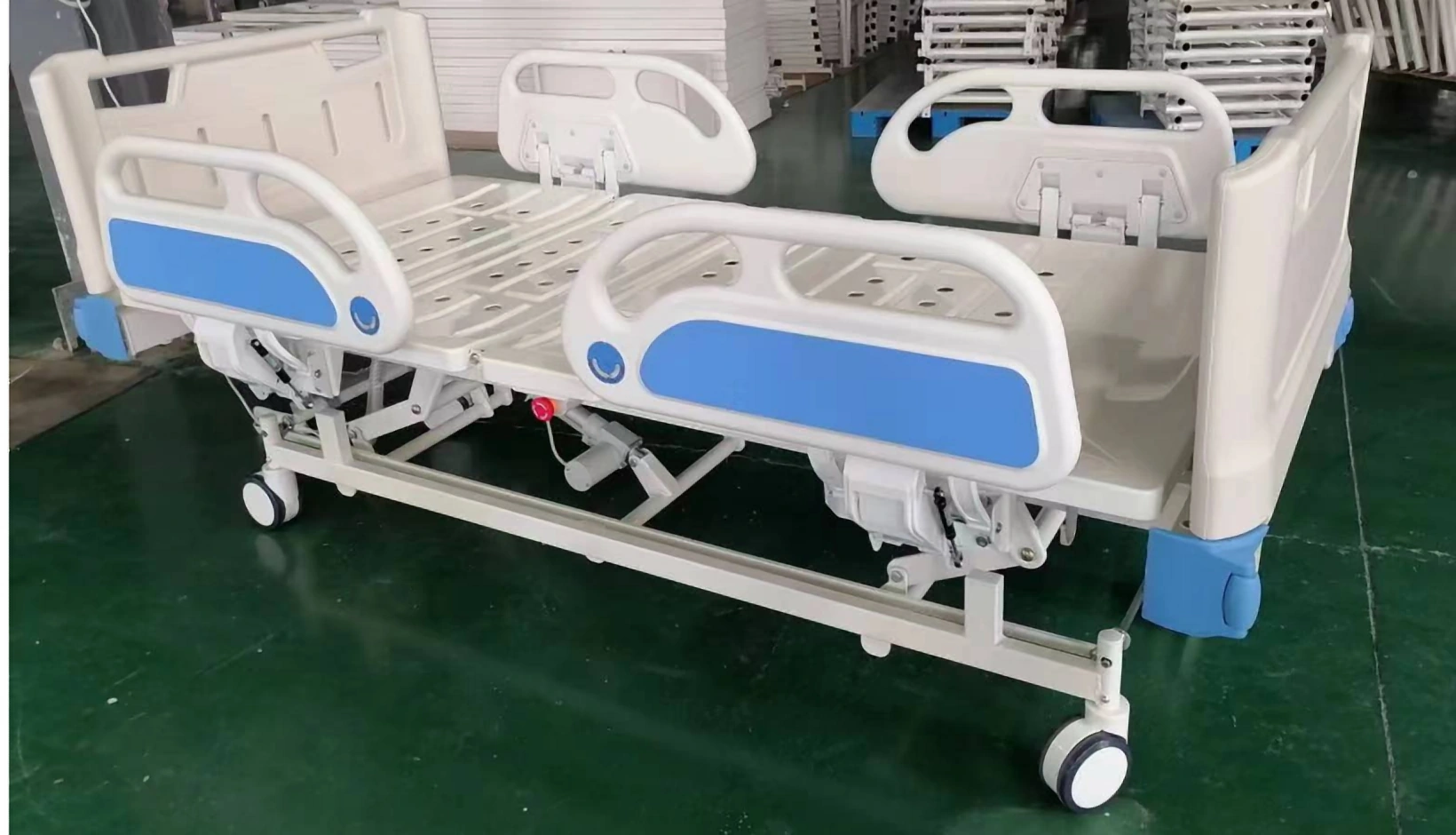
Electric Hospital Beds
Motorized multi-function beds with electric height, backrest, and leg adjustment options.
View product