
Your project requires 50 hospital beds. You send an inquiry to three suppliers and get three quotes with prices that are thousands of dollars apart. The problem isn't the suppliers; it's that an inquiry for "50 beds" forces them to guess the configuration. One may quote a basic 3-function bed for a general ward, while another assumes a 5-function ICU bed with premium casters.
This leads to confusing comparisons, project delays from endless clarification emails, and the risk of ordering furniture that doesn't fit your facility's operational needs.
To prepare for an OEM hospital furniture project, buyers should create a detailed brief that moves beyond simple product names. This involves organizing the furniture list by department or room, specifying key configurations for each item (like functions, dimensions, and accessories), and clarifying material, quantity, and packing requirements to receive accurate, comparable quotations.
A supplier who receives a detailed project brief can stop guessing and start providing a meaningful, itemized quotation. This shifts the conversation from a simple price request to a collaborative discussion about finding the right fit for your project's budget and functional requirements.
Why Does Sending a Simple Product List Lead to Confusing Quotes?
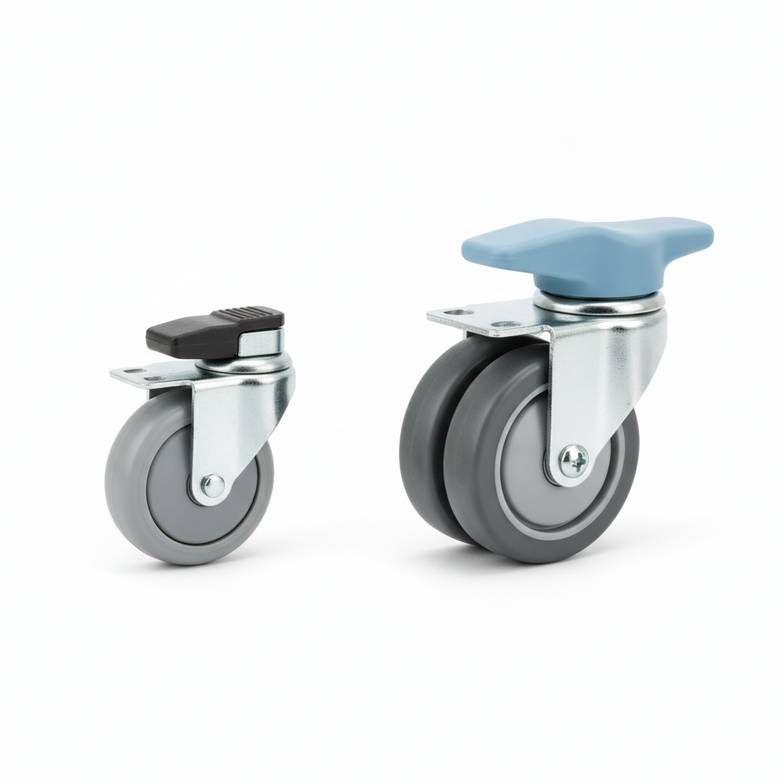
A request for "50 electric beds" tells a supplier the quantity, but not whether they are for an ICU, a general ward, or a long-term care facility. Each of these use cases requires different functions, side rails, and caster specifications. Without this context, a supplier can only quote a generic model, which may not be what you need.
The same applies to other items. A buyer might compare two "medical trolley" quotes and see one is much cheaper. What they may not see is that the cheaper quote is for a base model with standard casters and no accessories. The higher-priced quote may include silent casters, a central lock, an IV pole, and a waste bin. The buyer isn't comparing two equivalent products, and the "cheaper" option may end up costing more after adding the necessary features.
A vague inquiry based on product names forces suppliers to make assumptions. These assumptions, not the product itself, are often the real reason for wide price differences.
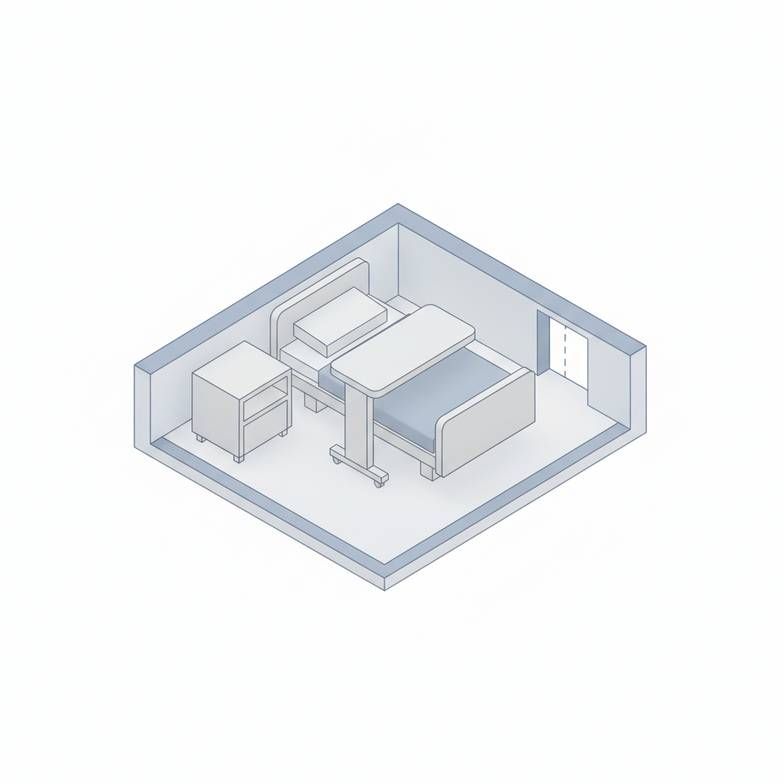
How Should I Structure My Inquiry for a Hospital-Wide Project?
The most effective way to structure a project inquiry is not as one long list, but organized by department and then by room. The furniture needs of an Intensive Care Unit are fundamentally different from those of a pediatric ward, a Central Sterile Services Department (CSSD), or an administrative office.
Organizing your list this way provides important context.
- Department: ICU, General Ward, Pediatrics, CSSD, Examination Rooms, etc.
- Room: Patient Room, Nurse Station, Storage Room, etc.
- Product List per Room: The specific items and quantities needed for that single room.
A supplier who asks for this breakdown isn't making things complicated; they are trying to help prevent you from ordering the wrong furniture for a specific area. For hospital projects, the question is not only which products to buy. The harder part is confirming the configuration of each product matches the specific workflow and functional needs of each department.
If you don't have detailed architectural floor plans, a simple spreadsheet organized by department and room with dimensions and intended functions is an excellent starting point.
What Configuration Details Matter for Beds, Trolleys, and Cabinets?
A photo of a cabinet tells a supplier the style, but not the material (ABS? Steel?), which can affect its durability when used with common hospital cleaning agents. To get comparable quotes, you need to specify the key configuration details that affect both price and function.
The following table shows the difference between a common vague inquiry and the specific details a supplier needs.
From Vague Inquiry to a Project Brief That Gets Results
| Common Inquiry Mistake | Why It's Incomplete | Information to Prepare |
|---|---|---|
| "Quote for 50 electric beds" | Doesn't specify function, use case, or required features. | List by room (e.g., ICU/Ward), bed functions (3/5), side rail type, caster size, mattress needs. |
| "Price for 30 emergency trolleys" | Lacks detail on configuration and essential accessories. | Department use, drawer layout, locking mechanism (central/individual), list of required accessories (IV pole, waste bin, etc.). |
| "Need stainless steel furniture" | Material grade and structure are undefined for the use case (e.g., CSSD). | Required SS grade (if known), dimensions, structural needs (under-shelves, backsplash), surface finish. |
| "Project list based on photos" | Photos hide differences in materials, construction, and mobility parts. | Material specifications (e.g., ABS, powder-coated steel), caster quality, and drawer slide type. |
| "Quote for 200 bedside cabinets" | Packing method is not mentioned, making freight costs impossible to calculate. | Preferred packing (assembled or knock-down), destination port, and request for carton dimensions/CBM. |
More functions on a hospital bed are not automatically better. The real question is whether the patient type and caregiver routines in that specific ward actually require those functions. Over-specifying beds for an entire facility is a common source of budget overrun. The problem is buying features instead of matching configuration to the use case.
Which Information About Packing and Shipping Affects My Total Project Cost?
The unit price of a piece of furniture is only one part of your total cost. Packing and shipping logistics can significantly impact your project budget, but this detail is often overlooked in initial inquiries.
The cheaper cabinet quote might be for knock-down (KD) or flat-packed delivery. Before deciding, you should confirm if you have the on-site labor and time for assembly, as this changes the total project cost.
Key logistics information to provide and request:
- Packing Preference: State whether you prefer items to be shipped fully assembled (ready to use but higher freight volume) or knock-down (lower freight volume but requires on-site assembly).
- Request for CBM Data: Ask every supplier to include the estimated carton dimensions, gross weight, and total cubic meters (CBM) for your order in their quotation.
Without CBM data, you cannot accurately compare the final landed cost from different suppliers. A low unit price is not a good deal if the items are packed inefficiently, leading to an unexpectedly high freight bill.
What Should My Final Project Brief Include Before I Ask for Quotes?
Before you contact suppliers, consolidate your information into a single, clear project brief. A well-prepared brief signals to suppliers that you are a serious project buyer and helps you get the detailed, comparable quotations you need.
Your document should include:
1. A Complete Product List: Organized by department and room. 2. Quantities: The exact number of each item required per room. 3. Key Configurations: Specify the key features for each product type (e.g., bed functions, trolley accessories, cabinet materials, dimensions). Use the table above as a guide. 4. Material & Customization Needs: Note any specific material, color, or OEM modifications required (like adding a logo). If you are unsure of the material, describe the use environment, for example, "intended for an area with frequent cleaning using standard disinfectants." 5. Packing & Logistics: State your preferred packing method (assembled vs. KD) and your project's destination port. 6. Project Timeline: Provide an estimated timeline for procurement and delivery.
With these details prepared, you can move from asking "How much does it cost?" to discussing "Is this the right configuration for my project?". That is when a quotation becomes worth comparing.
Written by
CareFurnex Team
CareFurnex Team shares practical knowledge about hospital beds, patient room furniture, medical trolleys, clinic furniture, and healthcare facility procurement for international B2B buyers.
Related Products
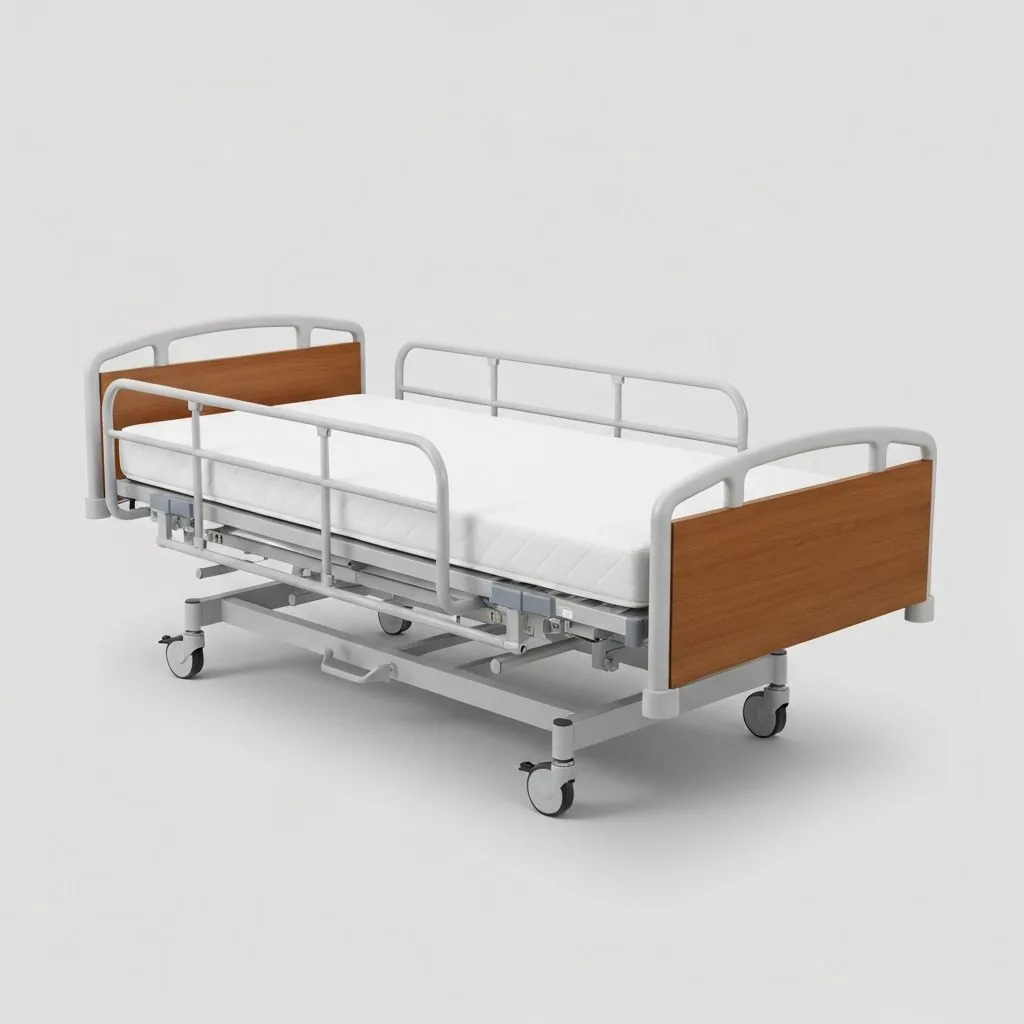
Hospital Beds
General-purpose patient beds for inpatient wards and standard hospital rooms.
View product
Ward Furniture
Complete ward furniture options for patient rooms and hospital care areas.
View product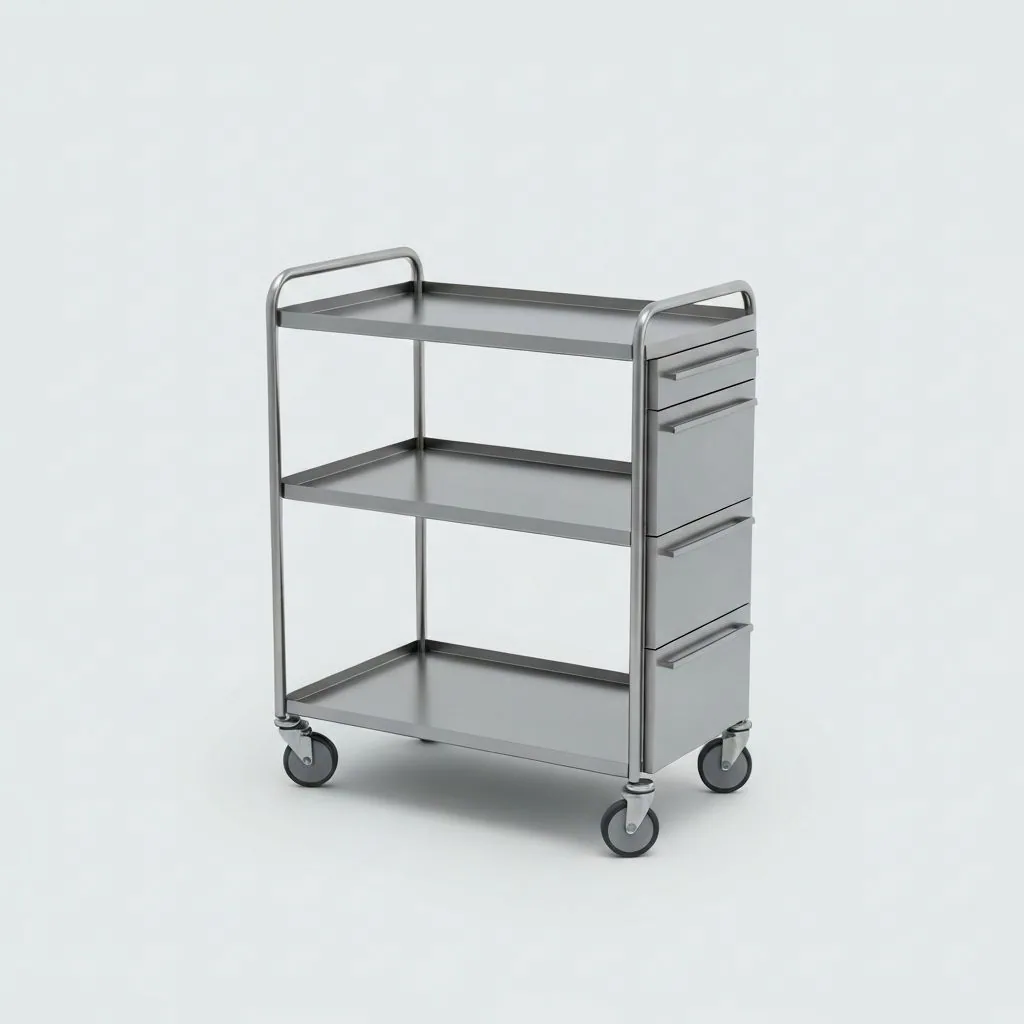
Medical Trolleys
Mobile carts for nursing rounds, treatment supplies, medicines, and clinical tools.
View product