
You're comparing two medicine trolley quotations that look almost the same, but one has a lower price. Before choosing the cheaper option, pause. A product photo and a low unit price can hide significant differences in configuration, suitability for hospital use, and total landed cost. This mistake often starts when buyers compare only a photo and a price.
The safest way to buy medicine trolleys is to ensure every supplier quotes on the same basis: drawer layout, lock arrangement, material, accessories, mobility parts, packing data, and trade term. A lower price may simply mean you are being quoted for a different, less complete product.
A medicine trolley can match a catalog photo but still fail to meet your hospital's needs if the configuration was never properly confirmed. This can lead to staff complaints, missing accessories, higher-than-expected freight costs, or damaged goods.
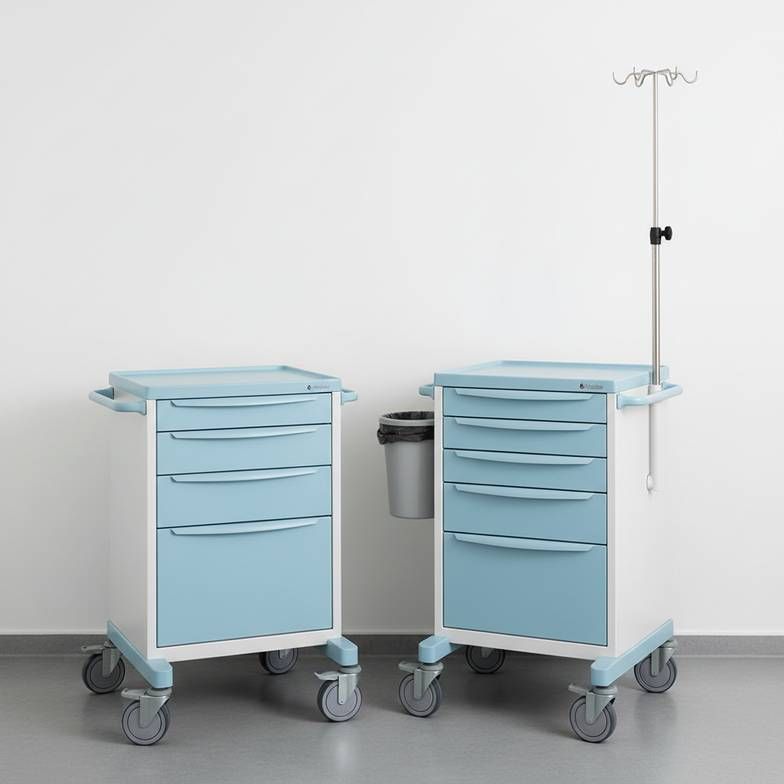
What to Confirm Before Comparing Medicine Trolley Quotations
A quotation for a "medicine trolley" is not complete until it clearly defines the product's configuration. When we prepare a quote, we need to know the basis for comparison. I would not treat two quotations as comparable until the following details are confirmed on the same basis for both suppliers.
For project buyers, it’s even more important to prepare a department-by-department or room-by-room product list, as different hospital areas often require different trolley configurations. Before you can fairly compare two prices, both suppliers must agree on the same product specification. A comparison matrix can help ensure you are comparing apples to apples.
Medicine Trolley Quotation Comparison Matrix
| Comparison Item | Supplier A | Supplier B | Buyer Notes & What to Ask |
|---|---|---|---|
| Drawer Layout | Is the drawer quantity, height, and arrangement clear? | ||
| Material & Finish | Is it the same material (e.g., ABS, steel) and finish basis? | ||
| Lock Option | Is the lock method clearly described and suitable for the department? | ||
| Accessories Included | Are the accessories in the photo included or optional? | ||
| Casters & Brakes | Is the mobility setup suitable for frequent hospital use? | ||
| Packing Method | Is the protection method explained? (e.g., carton, corner protection) | ||
| Carton Data / CBM | Are carton dimensions and total CBM provided to estimate landed cost? | ||
| Trade Term | Are cost responsibilities (e.g., FOB, CIF) clear? | ||
| Lead Time | Is the lead time based on the fully confirmed specifications? |
This matrix helps you see if a lower price is due to a simpler configuration, weaker packing, or missing accessories, allowing for a true cost-benefit analysis.
How to Choose a Drawer Layout for Hospital Department Use
Do not define a medicine trolley by drawer count alone. The best drawer layout depends on what will be stored, how often staff need access, and the specific workflow of the hospital department. A trolley can have the right number of drawers and still be impractical for daily use.
Requesting a "five-drawer trolley" is an incomplete instruction. The real question is, what do those drawers need to do?
- Multiple shallow drawers are often better for organizing and separating small medicines and supplies, allowing for quick visual access.
- A mix of shallow and deep drawers may be more practical when the trolley must also hold larger items like IV solution bags, dressing kits, or bulk supplies.
The wrong drawer layout can pass a visual check but create constant frustration for clinical staff. Before finalizing the layout, consider the real-world use.
Drawer Layout Decision Checklist
Before you request a final quote, discussing these points with your supplier helps them recommend a model that fits the hospital's workflow, not just one that matches a drawer count.
- Target Department: Which hospital area will use this trolley? (e.g., Ward, ICU, Emergency, Clinic)
- Items Stored: What specific medicines or supplies will be inside?
- Separation Need: Is the organized separation of many small items a priority?
- Large-Item Storage: Will the trolley also need to hold larger, bulkier items?
- Access Frequency: How often will staff need to open the drawers during a shift?
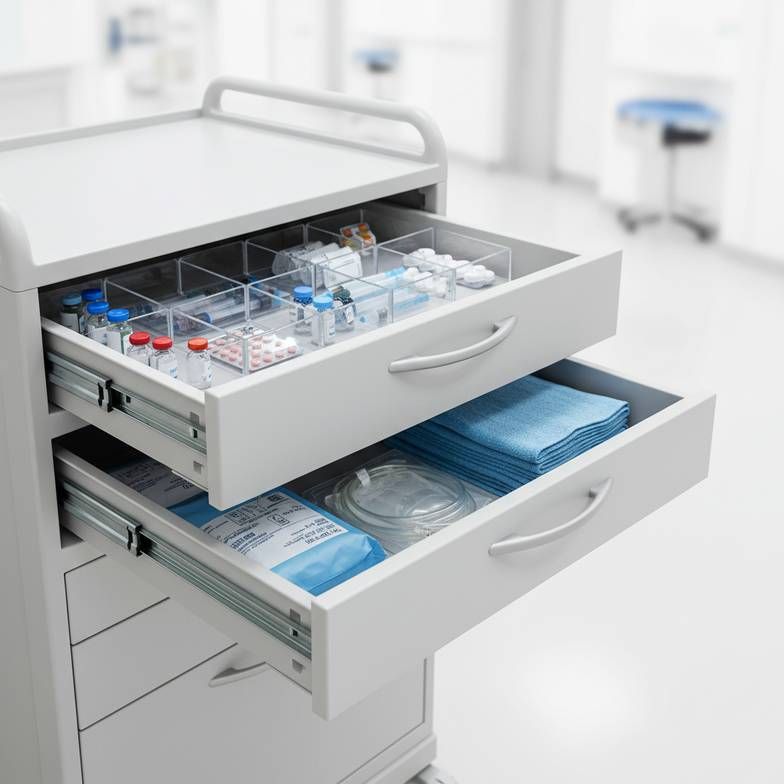
Which Lock Details Should Buyers Check Before Confirming an Order?
Never accept a vague specification like "with lock." Before confirming an order, ask the supplier to clarify exactly how the drawers are locked and confirm that the arrangement meets your department's access control requirements. An unclear lock specification is a common source of disputes after delivery.
The lock on a medicine trolley is a critical functional component, not a minor accessory. A simple central lock might be sufficient for one environment, while another department may require a more specific method. If you only write "with lock" in your purchase order, the supplier is justified in providing the most basic option included in their standard model.
This is a detail that must be clarified in writing in the quotation and final specification sheet. Before approving the order, ask:
- What type of lock is included (e.g., central lock, key lock, digital lock)?
- How are the drawers secured by the lock? Does it lock all drawers or specific ones?
- Are other lock options available if this one is not suitable?
Checking the lock's function should also be a key part of any pre-shipment inspection.
How Material, Casters, Brakes, and Accessories Affect Real Use
A medicine trolley's daily performance depends heavily on its material, mobility parts, and included accessories. I would not finalize a supplier choice based on drawer layout and locks alone. These other components determine the trolley's durability, ease of cleaning, safety, and overall user satisfaction. These details are often where a lower-priced quotation cuts corners.
- Material: This affects more than just appearance. It determines cleaning convenience, durability, weight, and price. Common options include ABS plastic, powder-coated steel, or stainless steel. Ensure the quoted material is suitable for the hospital's cleaning protocols and durability expectations.
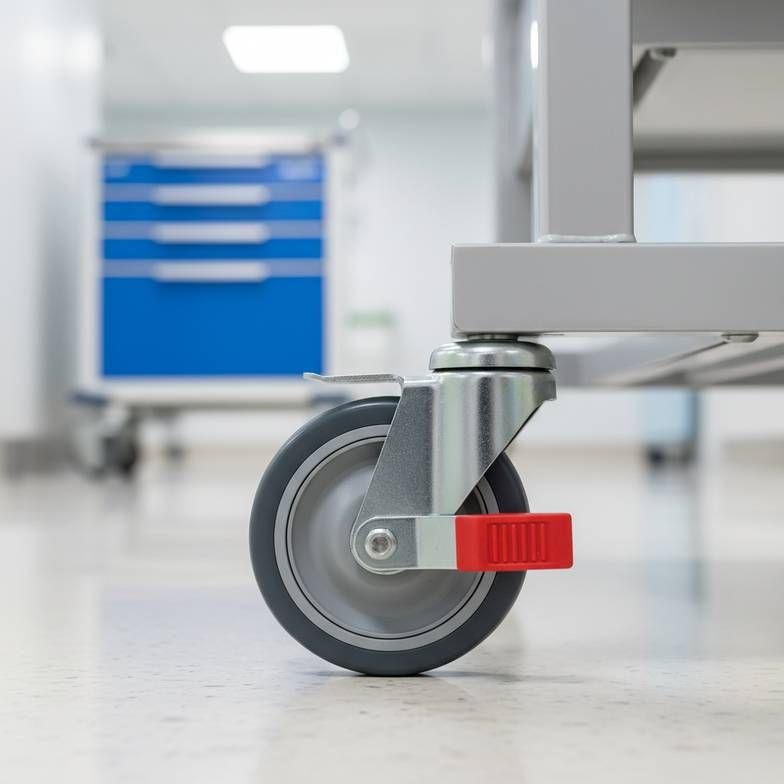
- Casters and Brakes: A medicine trolley is a mobile workstation. Poor-quality casters make it noisy and difficult to move, while unreliable brakes create a safety hazard. The quality of these parts directly impacts staff satisfaction and patient safety.
- Accessories: Do not assume that baskets, IV poles, waste bins, or holders shown in a product photo are included. These are often optional. Ask the supplier for a clear list separating standard items from optional, separately priced accessories.
Turning Procurement Risks into Supplier Questions
Use this table to turn common hidden risks into direct questions for your potential suppliers.
| Procurement Risk | Possible Consequence | What to Ask the Supplier |
|---|---|---|
| Vague Drawer Layout | Trolley doesn't fit department workflow; staff complain. | "What specific drawer arrangement is included in this price?" |
| Unclear Lock Requirement | Access-control dispute after delivery; security issues. | "How exactly are the drawers locked with this option?" |
| Assumed Accessories | Delivered product feels incomplete; unexpected extra costs. | "Can you provide a list of standard accessories versus optional ones?" |
| Unconfirmed Material | Unfair price comparison; cleaning or durability concerns. | "What material and surface finish are you quoting?" |
| Ignored Casters/Brakes | Poor movement, noise, or safety hazards; staff complaints. | "What caster and brake configuration is included?" |
| Unchecked Packing | Scratches, dents, or broken parts on arrival. | "Can you provide packing photos and protection details?" |
| Missing CBM Data | Freight cost is much higher than expected. | "What are the carton dimensions, gross weight, and total CBM?" |
How Packing, CBM, and Trade Terms Affect Your Real Landed Cost
For any B2B or export order, a quotation is incomplete until the packing method, carton dimensions, gross weight, total CBM, and trade term are clear. These factors directly impact your total landed cost and the risk of receiving damaged goods.
A medicine trolley has many parts that can be damaged in transit: the surface finish, corners, drawers, locks, handles, and casters. Weak packing can turn a good product into a costly problem requiring claims and repairs.
At the same time, packing affects shipping volume (CBM). A lower unit price might be offset by larger, less efficient packing that drives up your freight costs. For any import order, you are buying landed cost, not just product cost. Before you can calculate your true cost, ask your supplier for this data to make a realistic comparison.

What to Inspect Before Approving a Bulk Shipment
A pre-shipment inspection should verify function, not just appearance. I would not approve a bulk shipment of medicine trolleys until drawer movement, lock function, caster performance, accessory completeness, and packing protection have been checked against the confirmed specification sheet.
Checking only the quantity and general look of the trolleys is a common mistake. Functional problems discovered after the goods arrive are far more difficult and expensive to resolve. A thorough inspection is your last chance to catch issues before they become your problem.
Pre-Shipment Inspection Checklist for Medicine Trolleys
| Inspection Item | What to Check | Pass / Need Confirmation |
|---|---|---|
| Quantity | Matches purchase order and packing list. | |
| Drawer Layout | Same as confirmed specification. | |
| Drawer Movement | Opens and closes smoothly without sticking. | |
| Lock Function | Works correctly and matches the confirmed lock requirement. | |
| Material & Finish | Surface is free of scratches/dents; material matches spec. | |
| Handles & Accessories | Installed correctly, not damaged, and all included items are present. | |
| Casters & Brakes | Casters move smoothly; brakes engage and hold firmly. | |
| Hardware / Parts | Any spare parts or assembly hardware are packed securely. | |
| Packing Protection | Corners, surface, drawers, locks, and casters are protected. | |
| Carton Labeling | Matches buyer or project requirements if specified. |
Using a checklist like this helps ensure that the products you approve for shipment are the same ones you intended to buy.
***
Ultimately, sourcing medicine trolleys for hospitals requires confirming details beyond a simple product name and photo. The safest procurement process is to define your department's needs first and then ensure every supplier is quoting on the exact same basis. By confirming the drawer layout, lock system, material, accessories, mobility parts, and packing data, you can compare offers fairly and reduce the risk of costly surprises.
If you are planning a healthcare project or sourcing medical furniture, having a clear product list is the first step. At CareFurnex, we help buyers review product categories, configuration details, and quotation requirements. Send us your department list, room functions, and quantity needs, and we can help you build a clear specification plan for your project.
Written by
CareFurnex Team
CareFurnex Team shares practical knowledge about hospital beds, patient room furniture, medical trolleys, clinic furniture, and healthcare facility procurement for international B2B buyers.
Related Products
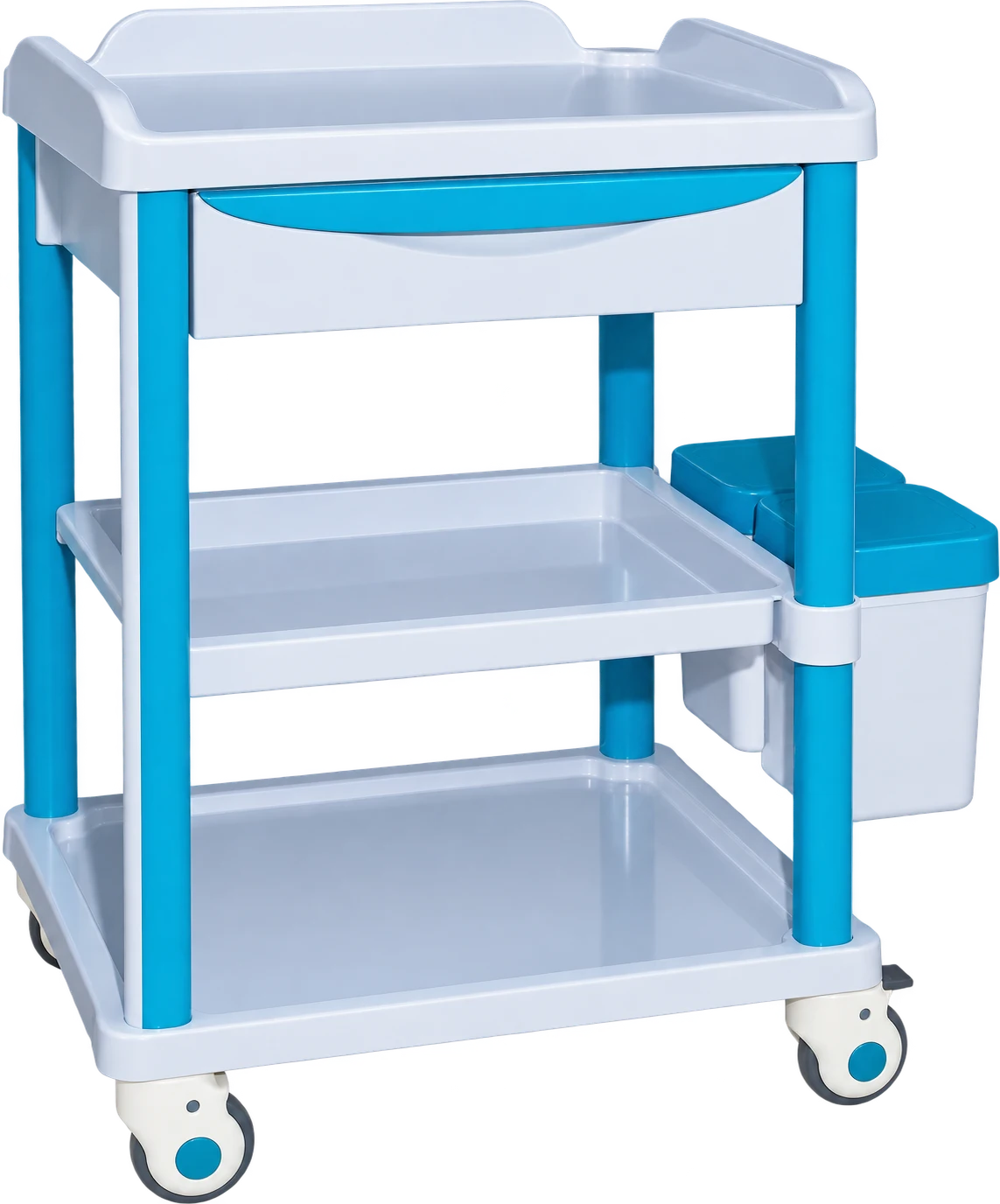
Medical Trolleys
Mobile carts for nursing rounds, treatment supplies, medicines, and clinical tools.
View product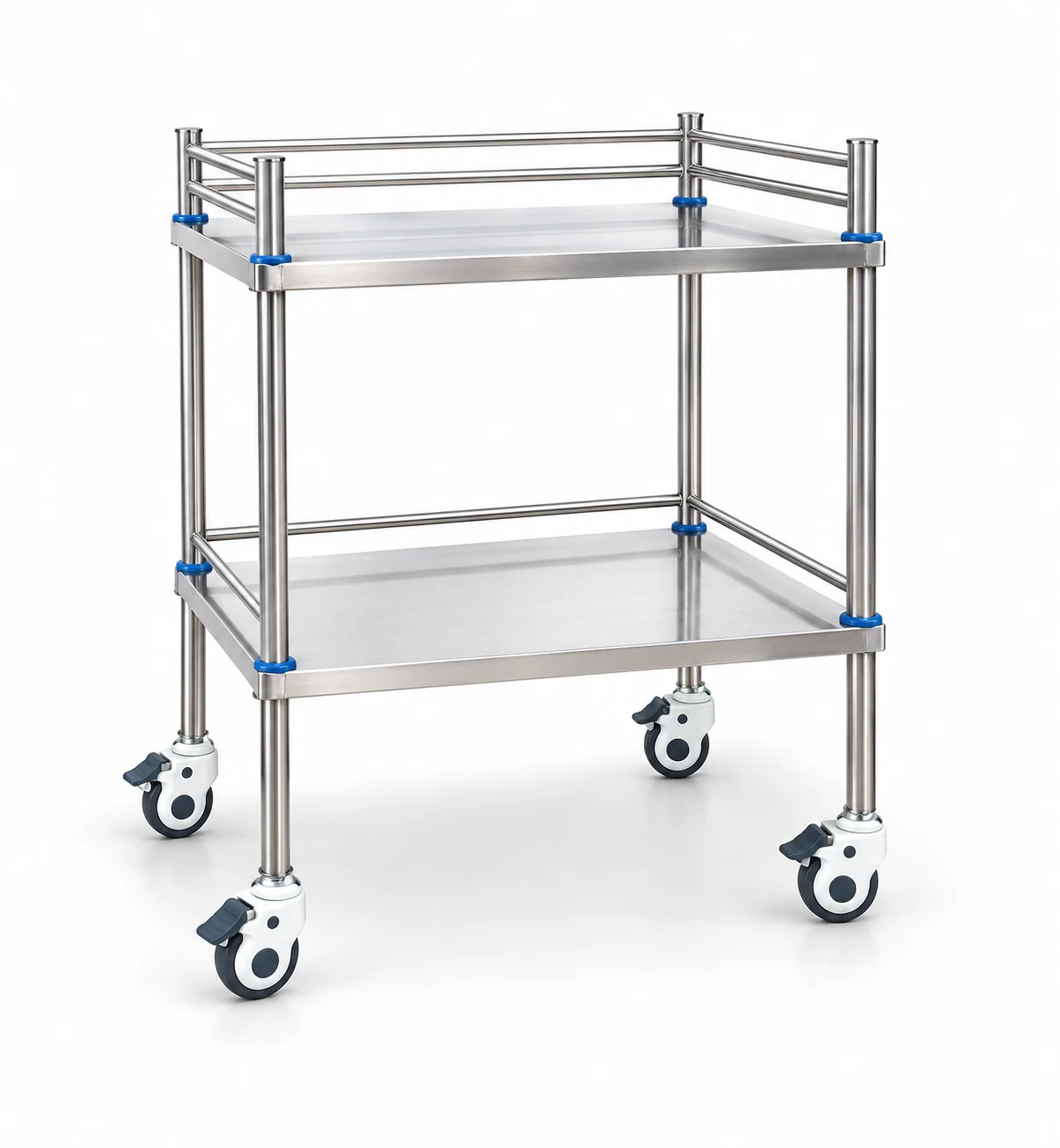
Stainless Steel Trolleys
Compare stainless steel trolleys by model, stated dimensions and configuration.
View product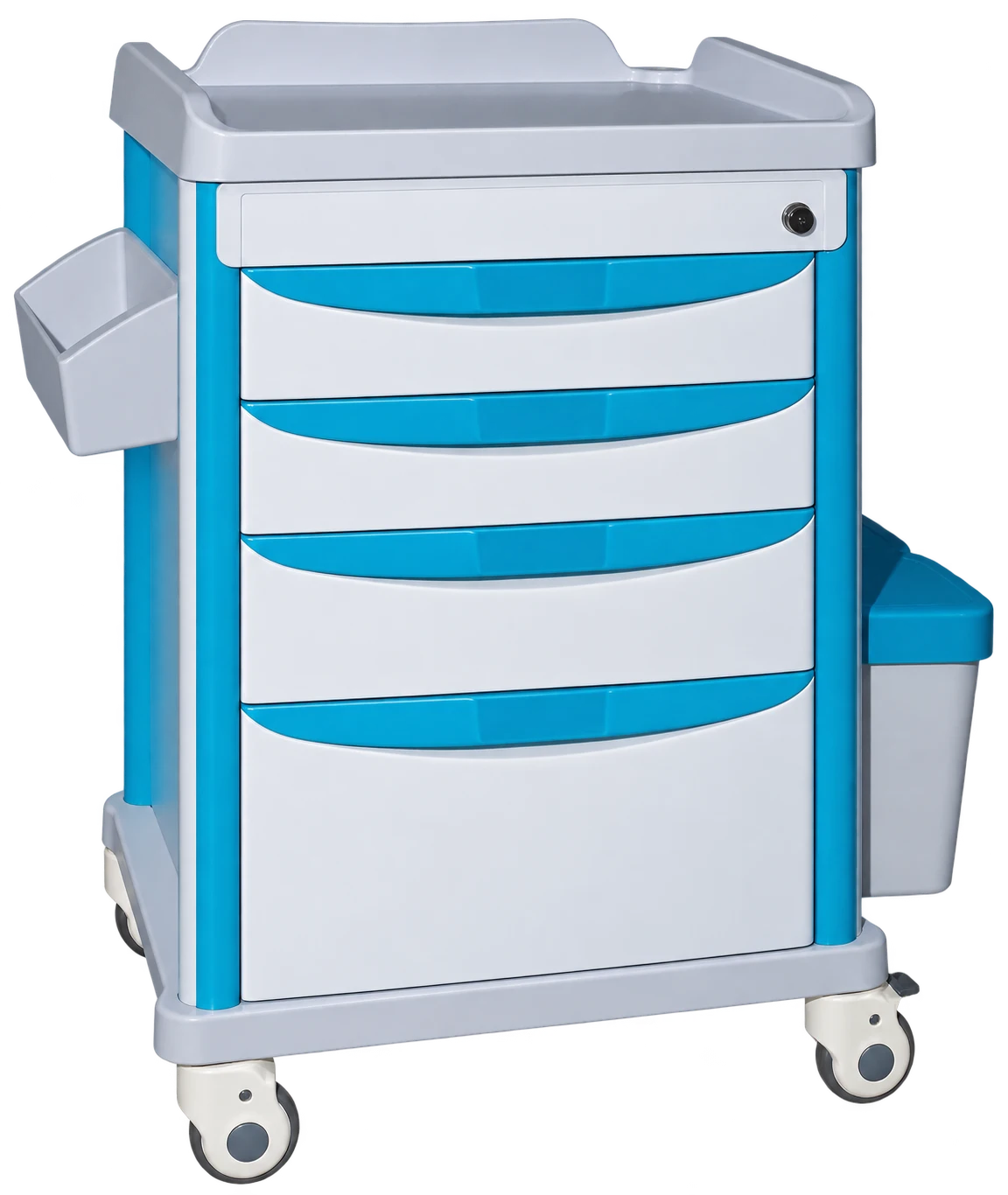
Medicine Carts
Compare medicine carts by model, stated dimensions and configuration.
View product