
An infusion chair for a two-hour hydration clinic has a very different job than one used in a six-hour chemotherapy session. If your quotation request doesn't account for this difference, you're not just comparing prices-you're comparing two completely different tools for patient care.
Many buyers start by looking for "reclining infusion chairs" and then compare suppliers based on the unit price and a photo. This often leads to confusion when quotes for seemingly identical chairs have significant price gaps. The real issue is that the product name hides a dozen important configuration details that determine the chair's actual function, comfort, and long-term value.
The better starting point is to first define your clinical workflow. The right chair isn't a standard product; it's a configurable system.
To choose the right IV infusion chair configuration, match the features to your specific clinical use. This involves selecting a recline mechanism based on average treatment duration, choosing an armrest design that supports your staff's workflow, deciding on a footrest style based on patient comfort needs, and confirming if the IV pole is an included or optional item on the quotation.
This guide offers practical principles for configuring an infusion chair based on common clinical workflows. It is not a substitute for clinical judgment or your facility's specific procurement, safety, and infection control requirements. Buyers should confirm all final specifications with their clinical team and management before ordering.
How Does Treatment Duration Affect Your Choice of Reclining Mechanism?
The first detail to clarify is the recline mechanism, as this choice has a large impact on cost, patient experience, and daily staff workflow. Assuming all "reclining" chairs are the same is a common oversight.
- Manual Recline: These chairs use levers and require physical effort from staff or the patient to adjust. They are a cost-effective and durable option for settings with short treatment times and high patient turnover, like outpatient hydration or quick-infusion clinics.
- Gas-Spring Assisted: This is a step up from manual. A gas spring helps lift the backrest, reducing the physical strain on staff. It's a good middle-ground option for multi-purpose departments where treatment times vary.
- Electric Recline: Using a simple handset, patients can adjust their own position without calling for a nurse. For any department with long treatments-like oncology or dialysis-this is often considered less of a luxury and more of a functional necessity. It improves patient autonomy and comfort while freeing up valuable staff time.
Before you can decide, ask yourself: what is the average time a patient will spend in this chair? For treatments over two hours, the investment in an electric recline often pays for itself in patient satisfaction and staff efficiency.
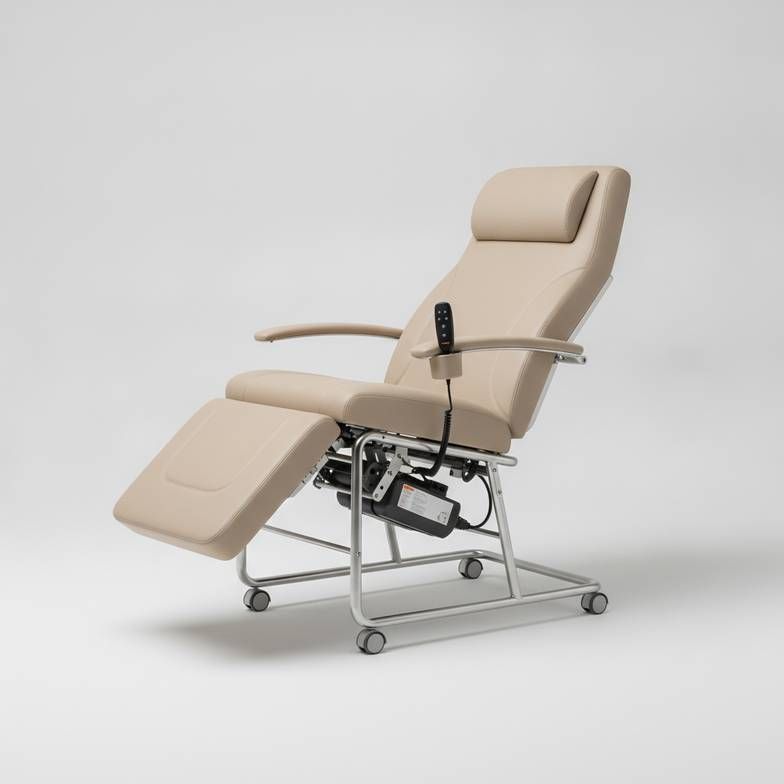
What Armrest Features Improve Both Patient Comfort and Staff Workflow?
The armrest is not just for the patient; it's an important workstation for your clinical team. A poorly chosen armrest can create daily ergonomic challenges for staff and access issues for patients.
Think about armrests from two perspectives:
1. Patient Access and Comfort: For patients with limited mobility, getting into and out of a chair can be a challenge. Pivoting or swing-away armrests can be moved completely out of the way, creating clear access. This can be a very helpful feature in environments like dialysis centers. 2. Staff Ergonomics: Your clinical staff needs stable, well-positioned access to the patient's arm. Height-adjustable armrests allow the phlebotomist to position the patient's arm at a more comfortable height, which helps reduce physical strain. A fixed armrest might be too high or too low for some staff or patients.
A simple, fixed armrest is easy to clean and cost-effective for short-use scenarios. But for any department where patient transfers are common or procedures are lengthy, adjustable and pivoting armrests can significantly improve daily operations.
When Does a Synchronized Footrest Become a Necessary Feature?
For short treatments, a simple manual footrest or an integrated leg rest is often sufficient. However, as treatment duration increases, the design of the footrest becomes a key factor in long-term patient comfort.
The key detail to check is whether the footrest is synchronized with the backrest.
- Non-Synchronized: When the backrest reclines, the leg rest stays put or must be adjusted separately. This can cause the patient to slide down in the chair, leading to an uncomfortable posture and the need for staff to help them reposition.
- Synchronized: As the backrest reclines, the footrest automatically rises to support the legs. This maintains a more ergonomic position, which helps prevent sliding and supports patient comfort.
For any treatment lasting more than a couple of hours, a synchronized footrest makes a noticeable difference. It reduces patient fidgeting and minimizes the need for staff to perform manual adjustments, directly contributing to a better care experience.
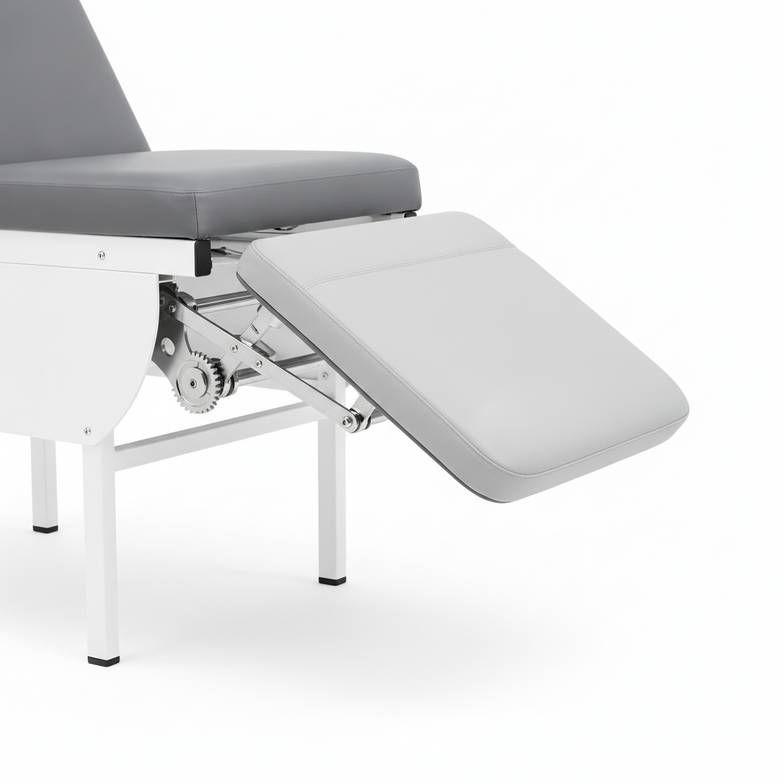
Table: Matching Infusion Chair Configurations to Your Clinic's Needs
Use this table to connect your facility's needs to a recommended starting configuration. This will help you build a specification list before you request quotations.
| Clinical Use Case | Recommended Recline Mechanism | Recommended Armrest Type | Recommended Footrest | Key Question for Supplier |
|---|---|---|---|---|
| Short-Stay Clinic (<2-hour hydration) | Manual or Gas-Spring | Fixed or Height-Adjustable | Simple manual flap or integrated leg rest | "Is this model designed for high patient turnover and easy cleaning?" |
| Long-Duration Treatment (>2-hour oncology) | Electric (patient-controlled) | Height-Adjustable & Pivoting | Synchronized with backrest for ergonomic positioning | "How does this chair support patient-adjusted comfort over a 4-6 hour period?" |
| Dialysis Center | Electric (staff & patient control) | Wide, Pivoting (for easy patient access) & Angled | Integrated and well-padded leg rest | "Can the armrest be moved completely out of the way for patient transfer?" |
| Multi-Purpose Outpatient Dept. | Gas-Spring or Electric | Height-Adjustable & Pivoting | Integrated leg rest | "How modular is this chair? Can we add accessories like a tray table later?" |
How to Prepare Your Inquiry for a Clear and Comparable Quotation
The goal is not to find the cheapest chair, but to get the most comparable quotation for the chair you actually need. A vague request like "quote for 15 infusion chairs" will result in vague, incomparable quotes.
A good supplier will ask you for these details anyway, so preparing them in advance saves time and helps you get an accurate proposal. Before contacting a supplier, have this information ready:
1. Your intended clinical use: Is this for oncology, outpatient hydration, dialysis, or another department? 2. The average and maximum patient treatment duration: This is an important factor for choosing the recline and footrest. 3. Your required features: Based on your workflow, specify your preference for the recline mechanism (manual/electric), armrests (fixed/pivoting), and footrest (simple/synchronized). 4. Your IV pole requirements: Confirm if you need an IV pole, how many hooks it should have (2-hook is standard, 4-hook for complex treatments), and ask if it is included in the base price or quoted as an optional item.
Sending us this information allows us to recommend a configuration that truly fits your operational needs and provide a detailed and accurate quotation.
Written by
CareFurnex Team
CareFurnex Team shares practical knowledge about hospital beds, patient room furniture, medical trolleys, clinic furniture, and healthcare facility procurement for international B2B buyers.
Related Products
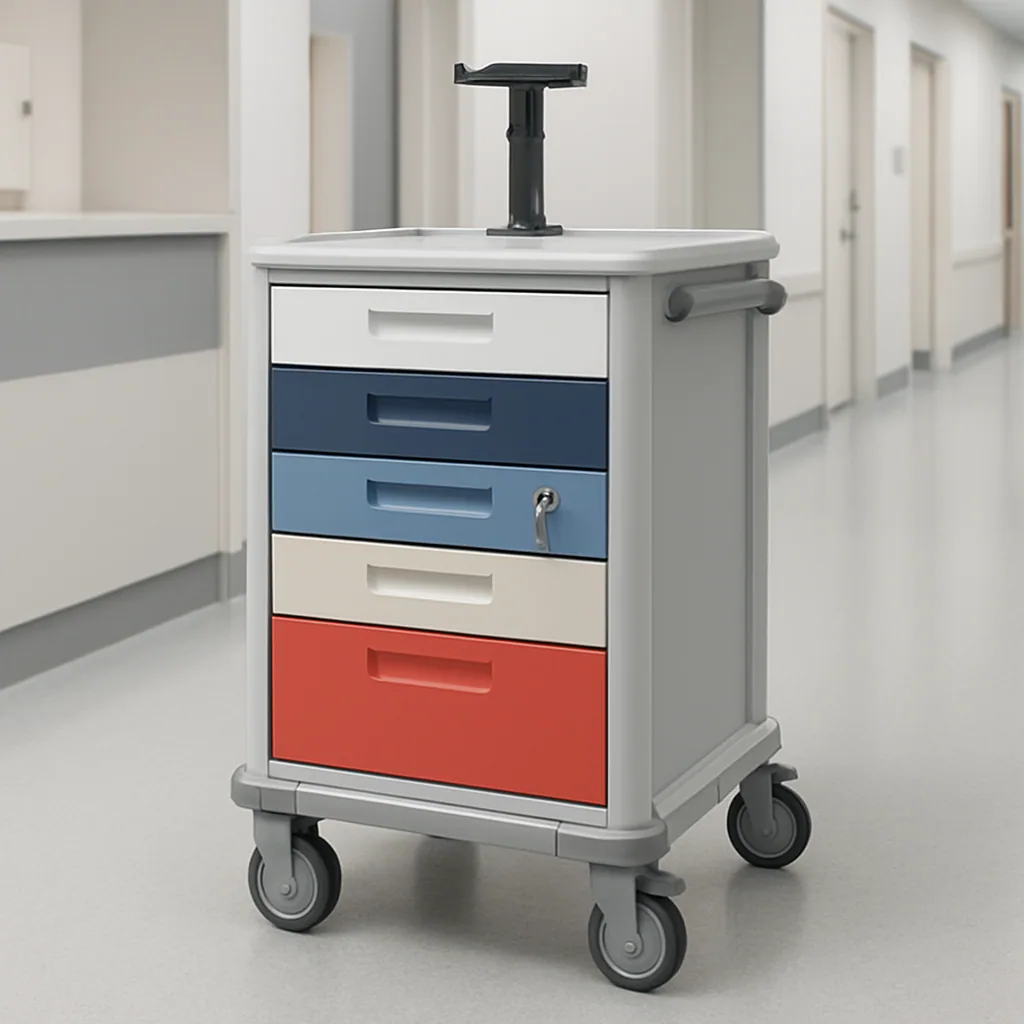
Infusion Carts
Carts for organizing infusion supplies in treatment rooms, clinics, and wards.
View product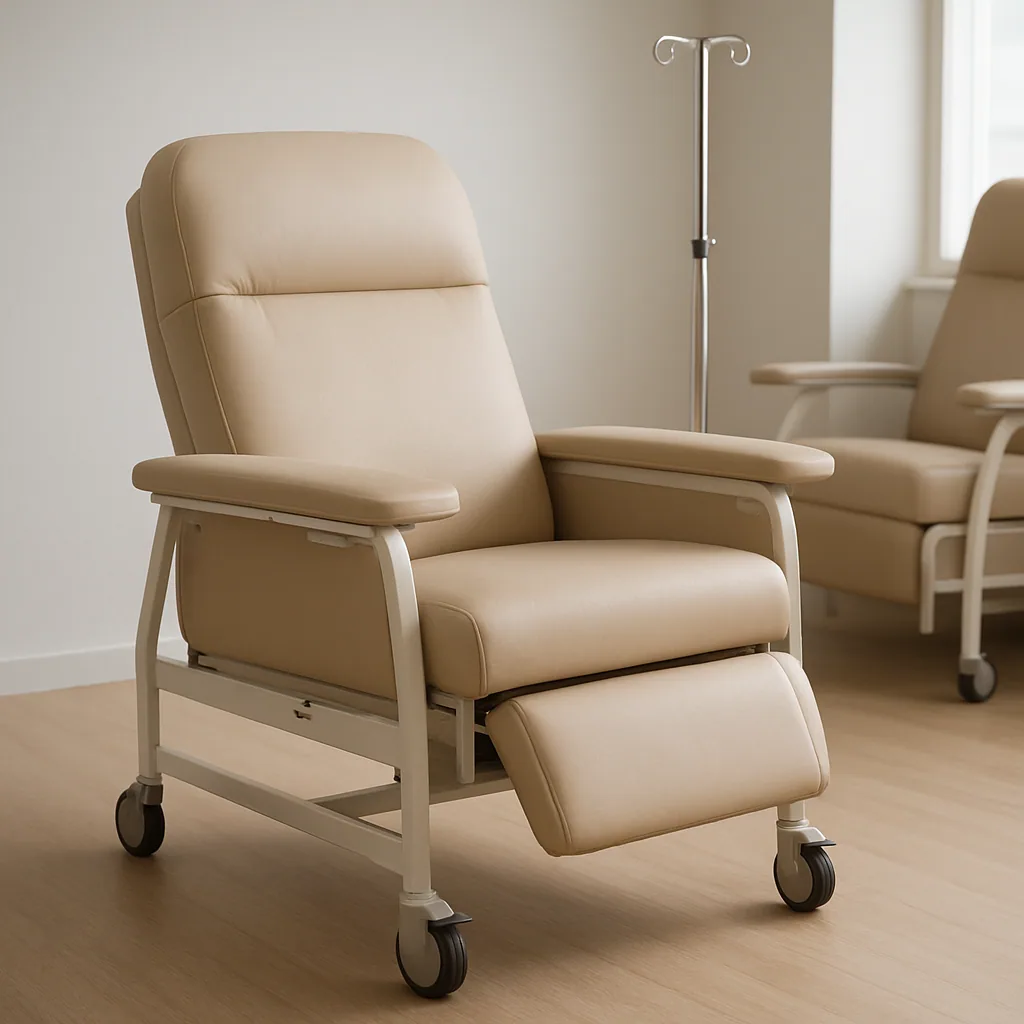
Infusion Chairs
Comfortable patient chairs for infusion rooms, treatment areas, clinics, and wards.
View product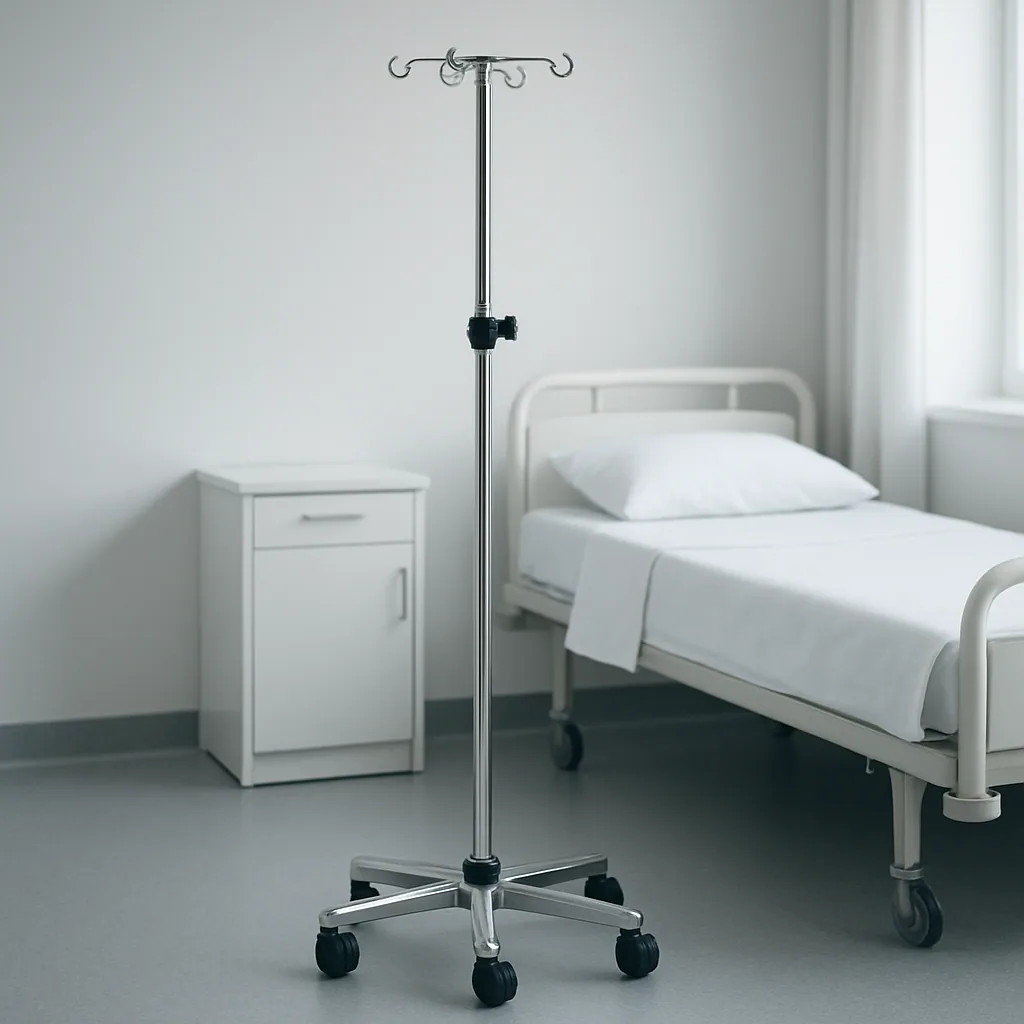
IV Poles
Infusion pole stands for hospital beds, wards, clinics, and infusion rooms.
View product