
When you're furnishing a new clinic or upgrading a department, your list might simply say "reclining chairs for patients." But as you look at supplier catalogs, you see two similar-looking products with different names and prices: the infusion chair and the medical recliner. Many buyers start by comparing the cost, assuming the more expensive one is just a fancier version of the other.
The real starting point isn't the price, but a more practical question: how long will a patient be sitting in the chair, and what will staff be doing around them? The answer to this changes everything. Choosing the wrong chair can lead to premature equipment failure, frustrated staff, and workflow problems that cost more than the initial savings.
The main difference is their intended clinical function and durability. An infusion chair is engineered as a stable platform for prolonged procedures like chemotherapy, featuring flat armrests for IV access and robust motors for high-frequency use. A medical recliner is designed primarily for short-term patient rest and recovery, prioritizing general comfort over procedural stability.
This guide outlines practical differences to aid in your procurement planning. It is not a substitute for clinical or regulatory advice. Final material, design, and feature requirements should always be confirmed with your clinical staff and compliance team to make sure they are suitable for your specific facility and patient population.
Why a Chair's Clinical Use Is More Important Than Its Name
Think of these chairs as two different tools. One is a stable work platform for clinical staff; the other is a comfortable resting spot for patients. Even if they look alike in a photo, their internal engineering is built for completely different tasks.
An infusion chair is designed for procedural environments like oncology, dialysis, or phlebotomy clinics. Here, a patient may sit for two to eight hours. Staff need stable, easy access to the patient, especially their arms, for tasks like venipuncture. The chair itself will be adjusted frequently throughout the day as new patients arrive.
A medical recliner, on the other hand, is built for general recovery and rest. Think of a post-op recovery room, a private patient room, or a family waiting area. Use is typically shorter, from 30 minutes to a couple of hours. The priority is general comfort, and adjustments are less frequent.
The mistake is placing a chair designed for rest into a high-frequency, procedural environment it wasn't engineered to handle.
Key Design Differences: What to Look for Beyond the Photo
The real differences are in the specifications that support each chair's function. When you review a quote or spec sheet, these are the details that matter more than the overall shape or color.
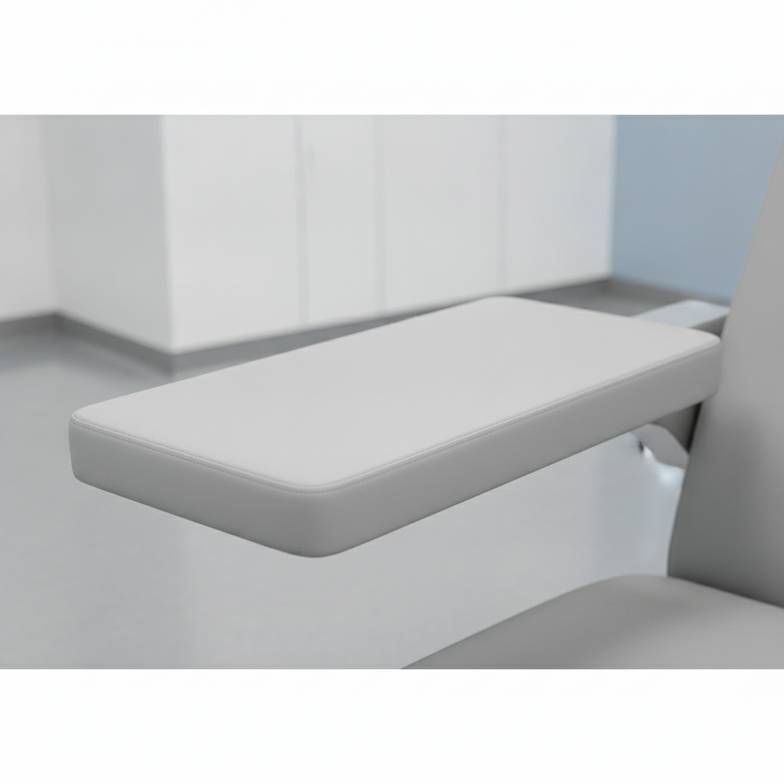
1. Armrest Design: Platform vs. Cushion
This is the most immediate indicator of a chair's purpose.
- Infusion Chairs have wide, flat, and firm armrests. They act as a stable platform for a nurse or technician to work on, helping keep the patient's arm secure during IV insertion or blood draws.
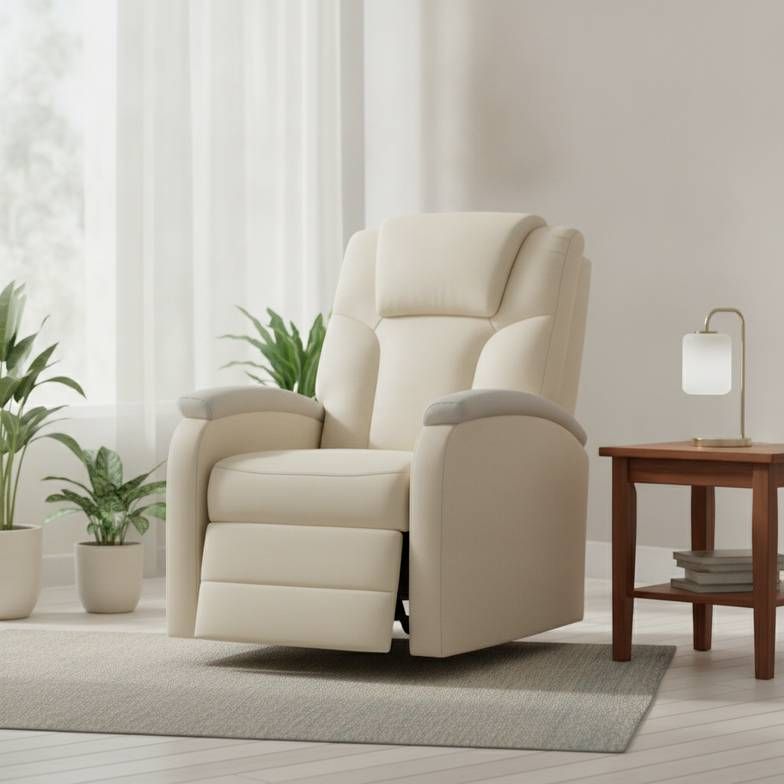
- Medical Recliners typically have softer, padded, and often crowned or sloped armrests. Their purpose is comfort, allowing a resting patient to relax their arms naturally. They are not designed to provide a stable work surface.
2. Recline Mechanism: Motor Duty Cycle
Both chairs may be electric, but the motors are not the same. A detail often missed on a spec sheet is the motor's duty cycle.
- Infusion Chairs use high-duty cycle motors. They are built to withstand frequent, repeated adjustments throughout a busy day-sometimes 20 or more cycles. The back, leg, and sometimes height adjustments are often independent.
- Medical Recliners use standard-duty motors designed for occasional use-perhaps a few times a day. Placing this type of motor in a high-traffic clinic is a common cause of premature burnout and failure.
3. Upholstery Type: Chemical Resistance
"Medical-grade vinyl" is a broad term. The key is how it stands up to your facility's cleaning protocol.
- Infusion Chairs feature upholstery selected for its ability to withstand repeated cleaning with common hospital disinfectants. The seams may also be minimized to help reduce areas where contaminants can hide.
- Medical Recliners use standard medical-grade vinyl suitable for general cleaning, but it may not be rated to withstand the specific, aggressive chemicals used for rapid turnover in procedural areas.
4. Casters and Mobility: Repositioning vs. Transport
Both chairs may have wheels, but they are for different jobs.
- Infusion Chairs are often equipped with larger casters (e.g., 100-125mm) and a central locking system. This allows staff to move a patient smoothly and safely between rooms and then lock the chair securely in place.
- Medical Recliners usually have smaller casters designed for repositioning the empty chair for cleaning. They are not built for transporting a patient down a hallway.
Infusion Chair vs. Medical Recliner: A Specification Checklist for Buyers
Use this table to compare offers and formulate clear questions for your supplier. A quotation is only useful if it confirms these details.
| Specification Feature | Infusion Chair (Procedural Use) | Medical Recliner (General Recovery) | Key Question to Ask Your Supplier |
|---|---|---|---|
| Armrest Design | Wide, flat, and stable for procedural support. | Padded, often angled or crowned for comfort. | "Are the armrests designed as a stable work platform or for general comfort?" |
| Recline Mechanism | High-duty cycle motors for frequent, independent adjustments. | Standard-duty motors for occasional use. | "Is this chair's motor designed for high-frequency use (20+ cycles/day)?" |
| Upholstery Type | Specified for resistance to common hospital disinfectants. | Standard medical-grade vinyl for general cleaning. | "Can you confirm this upholstery is resistant to our facility's cleaning agents?" |
| Casters & Mobility | Larger casters (100mm+) with central locking for patient transport. | Smaller casters for repositioning an empty chair. | "What is the caster size and locking system? Is it designed for patient transport?" |
| Accessory Integration | Integrated or purpose-built mounts for IV poles and side trays. | Accessories are typically optional, bolt-on items. | "Are IV poles and side trays included, and how do they attach to the frame?" |
| Typical Use Case | Oncology, dialysis, phlebotomy. 2-8 hour procedures. | Post-op recovery, patient rooms, family areas. 30-120 minute rest. | "Based on our intended use, which model do you recommend and why?" |
When Is a Simpler Medical Recliner the Right Choice?
A higher-priced infusion chair is not always the "better" option. The goal is to match the tool to the task. A standard medical recliner is the correct, more cost-effective choice for many situations.
If you are furnishing these areas, a medical recliner is likely the most practical and economical solution:
- Short-stay recovery rooms where patients rest for an hour or two.
- Private patient rooms for general use.
- Family waiting lounges.
- Doctor's consultation rooms.
In these lower-intensity environments, the robust engineering of an infusion chair would be over-specified and an unnecessary expense. Choosing the right chair is about smart, application-based procurement.
How to Prepare Your Inquiry for an Accurate Quote
Sending a vague request like "price for 10 recliners" will likely result in an inaccurate quote or the wrong product recommendation. To get a meaningful and comparable quotation, prepare the following information before contacting a supplier.
1. Intended Department: (e.g., Oncology, Dialysis, Post-Op Recovery, Patient Room) 2. Average Patient Use Duration: (e.g., 30 minutes, 4 hours) 3. Expected Daily Adjustments: (e.g., Low/5-10 times, High/20+ times) 4. Required Accessories: (e.g., IV Pole, Side Tray, Push Handle) 5. Mobility Needs: (Will you be transporting patients in the chair, or just repositioning it for cleaning?)
Providing these details allows a supplier to understand your workflow and recommend a chair that is properly specified for the job. It helps you get a price for a product that should perform as intended and meet your long-term needs.
Written by
CareFurnex Team
CareFurnex Team shares practical knowledge about hospital beds, patient room furniture, medical trolleys, clinic furniture, and healthcare facility procurement for international B2B buyers.
Related Products
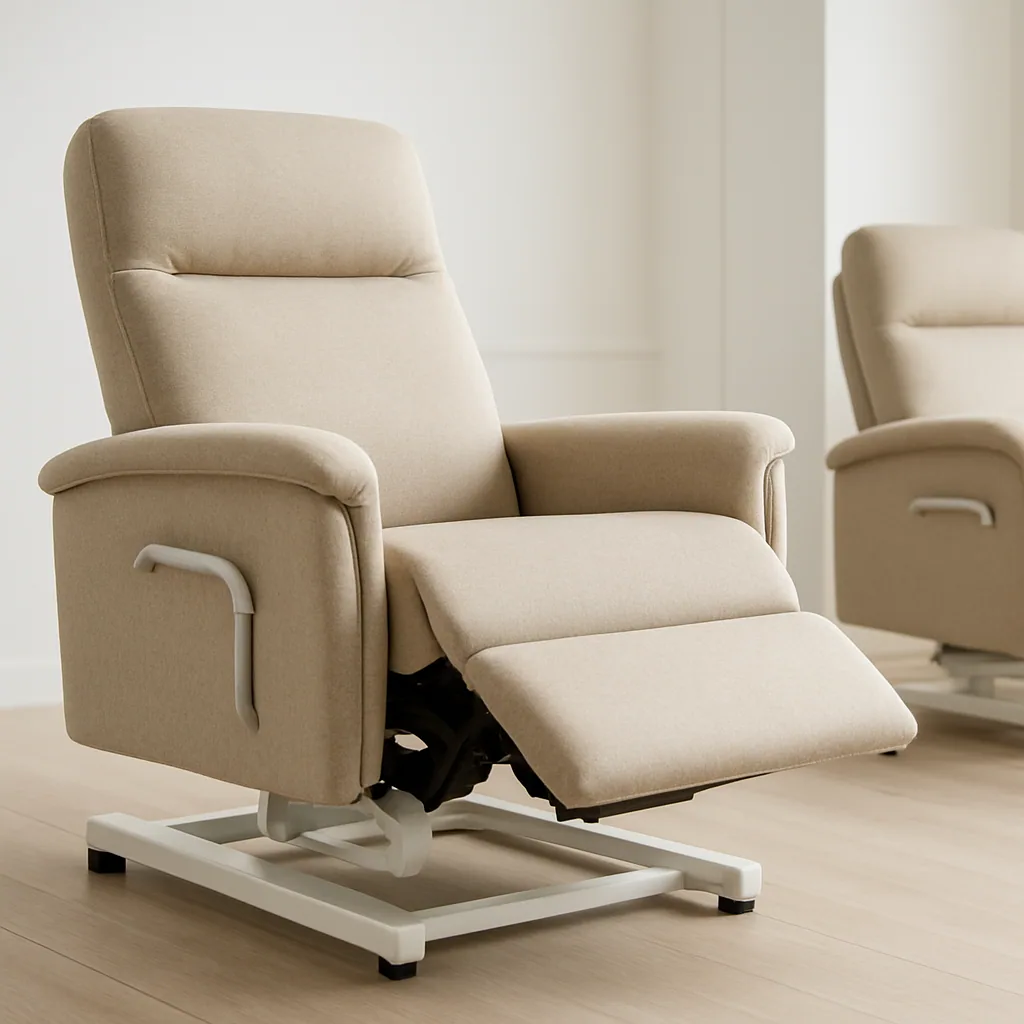
Medical Recliners
Reclining patient chairs for care spaces, treatment areas, and nursing homes.
View product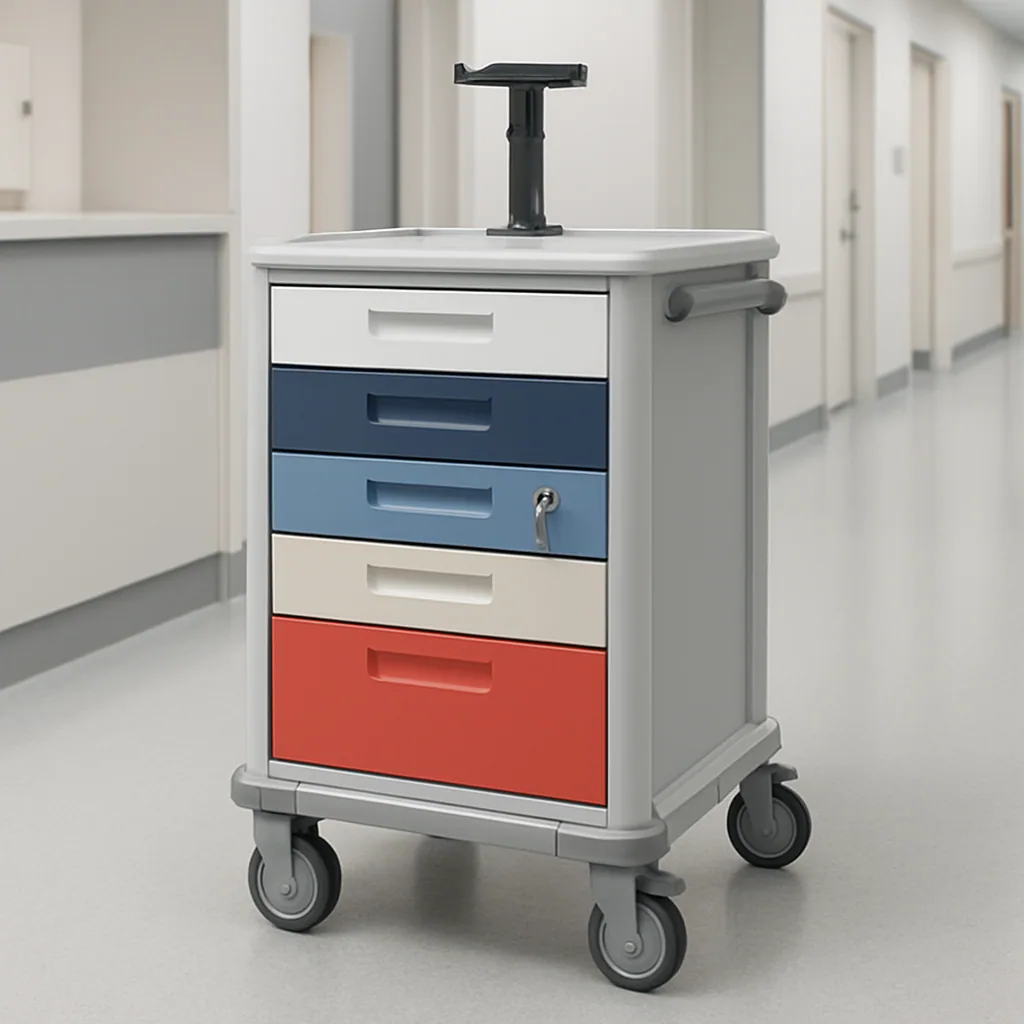
Infusion Carts
Carts for organizing infusion supplies in treatment rooms, clinics, and wards.
View product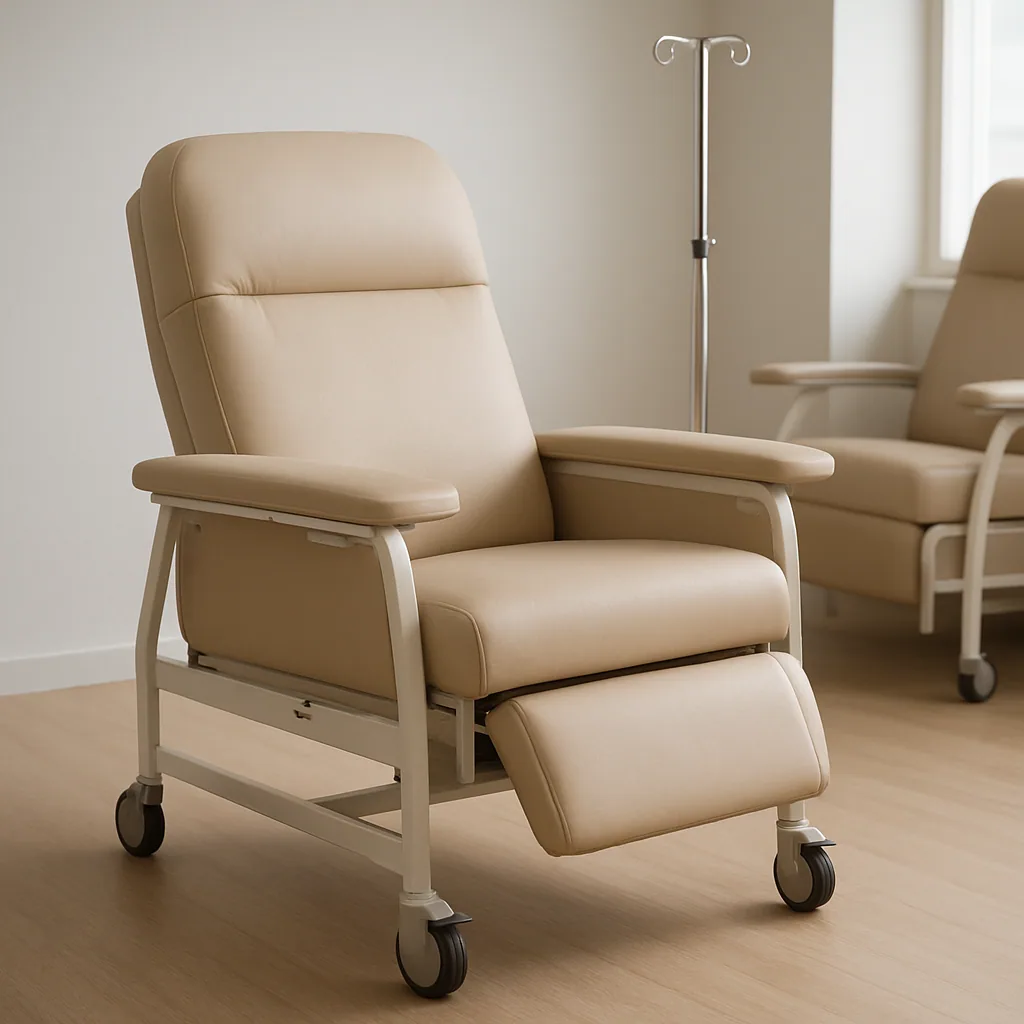
Infusion Chairs
Comfortable patient chairs for infusion rooms, treatment areas, clinics, and wards.
View product