
Many buyers start by asking, "Is your factory ISO certified?" It is a reasonable first question. But for a complex hospital project, that certificate on the wall does not tell you if the factory's welding is clean enough for a clinical environment, or if their standard packing can survive a 30-day sea voyage.
The real checks that reduce project risk happen on a much more practical level. A factory tour can feel productive, but it often shows you what they want you to see: a clean showroom and their best-looking samples. What it does not show is how they manage component quality from their sub-suppliers, or how they coordinate a multi-item order to ship on time.
We check hospital furniture factories by evaluating four key areas before recommending their products: their practical production capabilities for specific furniture types, their system for controlling the quality of key components like casters and motors, their proven ability to manage project orders, and their standard procedures for export packing and loading.
This vetting process is what separates a sourcing partner from a simple trader. It is not about a single audit; it is about a systematic approach to matching a factory's specific capabilities to your project's needs. This is how we confirm a factory can deliver consistent quality, not just a single perfect sample.
What Most Buyers Check, and Why It Is Not Enough for a Healthcare Project
Buyers often rely on three things: an ISO certificate, a few product photos, and a single sample. While these are useful starting points, they do not provide a complete picture of a factory's ability to handle a real-world healthcare project.
An ISO certificate confirms a quality management system exists on paper, but it does not tell you how well that system performs under pressure. A great sample proves a factory can make one good item, but it does not tell you if the 100th item will have the same quality. Photos show you the design, but not the durability of the casters or the consistency of the powder-coating finish.
For a hospital or clinic, where furniture must withstand constant use and rigorous cleaning, these details matter. Relying only on surface-level checks can lead to problems like inconsistent quality across a large order, premature component failure, or furniture arriving damaged from shipment.
How We Check a Factory's Production Capability for Different Furniture Types
A factory that is "good" is rarely good at making everything. The skills and equipment needed for stainless steel CSSD furniture are very different from those needed for electric hospital beds or wooden ward cabinets. Assuming one factory can excel at all categories is a common sourcing mistake.
Our first check is for specialization. We match the product type to a factory's core expertise.
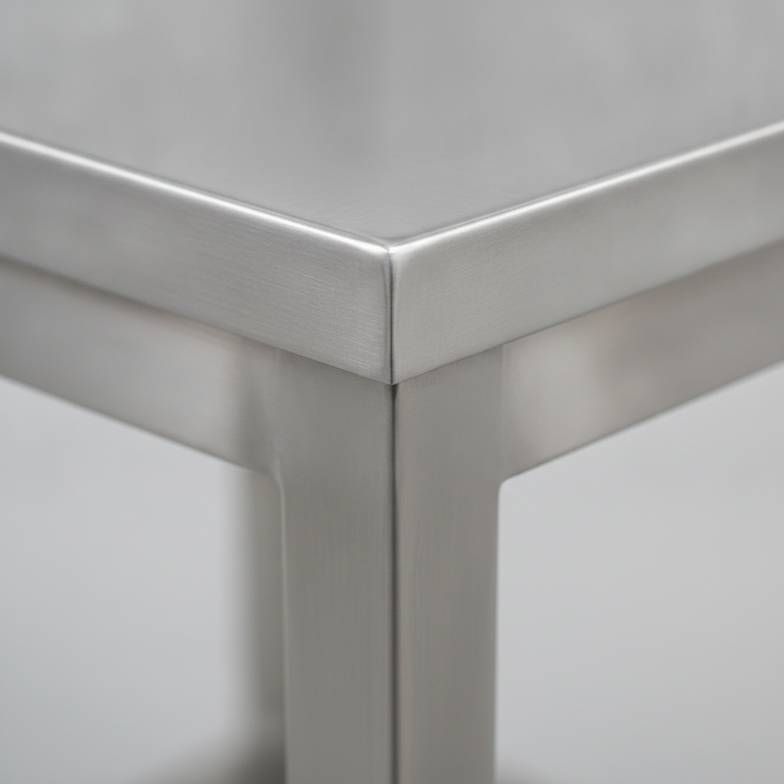
- For stainless steel furniture (e.g., trolleys, worktables): We look at their welding techniques, polishing consistency, and the grade of stainless steel they typically use. Clean, smooth welds are not just for appearance; they help eliminate crevices where dirt and contaminants can collect, supporting easier and more thorough cleaning.
- For electric beds: We check their assembly process for motors and actuators, their systems for testing electronic components, and their experience with different side rail and caster configurations.
- For ward furniture (e.g., bedside cabinets): We review their board material sourcing, edge banding quality, and hardware (hinges, drawer slides) consistency.
Instead of just touring the showroom, we review production records for past orders of a similar product type. This tells us more about their real capabilities than any brochure.
What Checks Help Reduce Risks From Third-Party Components Like Casters or Motors
A medical trolley is only as reliable as its casters. An electric bed is only as good as its motor. Many of these important components are not made by the furniture factory itself; they are purchased from sub-suppliers. A factory's process for managing these suppliers is a major factor in final product quality.
We check the factory's system for incoming quality control (IQC). We want to see how they verify the quality of components before they enter the assembly line. This includes:
- Casters: Are they checking for smooth rotation, reliable braking, and load-bearing capacity?
- Motors and Actuators: Do they have a process for function-testing a sample from each batch?
- Locks and Drawer Slides: Are they checking for durability and consistent operation?
A factory that is disciplined about checking incoming parts is much less likely to produce a final product that fails prematurely. This check helps reduce the risk of receiving furniture that looks good on arrival but does not last in a demanding healthcare environment.
How We Confirm a Factory Is Ready to Handle a Complex, Multi-Item Order
Producing a large volume of one product is a different skill than coordinating a project with multiple furniture types, all needed for the same delivery deadline. Project-readiness is a separate capability we must verify.
A common failure point for large orders is a factory's inability to manage production scheduling. If they fall behind on one item (e.g., bedside cabinets), it can delay the entire shipment.
To assess this, we look beyond stated capacity numbers. We evaluate their actual production planning system and their documented experience with past projects of similar size and complexity. The following table shows how our checks relate to specific buyer risks.
| Evaluation Area | What Can Go Wrong for the Buyer | A Practical Supplier Check That Helps |
|---|---|---|
| Production Specialization | Inconsistent quality across a multi-item order (e.g., good beds, poor trolleys). | Reviewing a factory's past production records for the specific product type needed. |
| Component Sourcing | Premature failure of parts like casters, locks, or motors after delivery. | Checking the factory's quality control process for incoming components from their sub-suppliers. |
| Project Coordination | A large order is delayed because the factory can't manage multiple production lines at once. | Assessing the factory's production planning system and experience with previous, similar-sized projects. |
| Export Packing & Loading | Furniture arrives scratched, dented, or with missing hardware due to poor protection. | Reviewing their standard packing instructions and inspecting the materials used at the packing station. |
What Packing and Loading Checks Happen Before We Recommend a Factory's Products
The project is not complete until the furniture is delivered and installed in good condition. A low unit price is meaningless if the product arrives damaged. That is why we treat a factory's packing station as an important checkpoint.
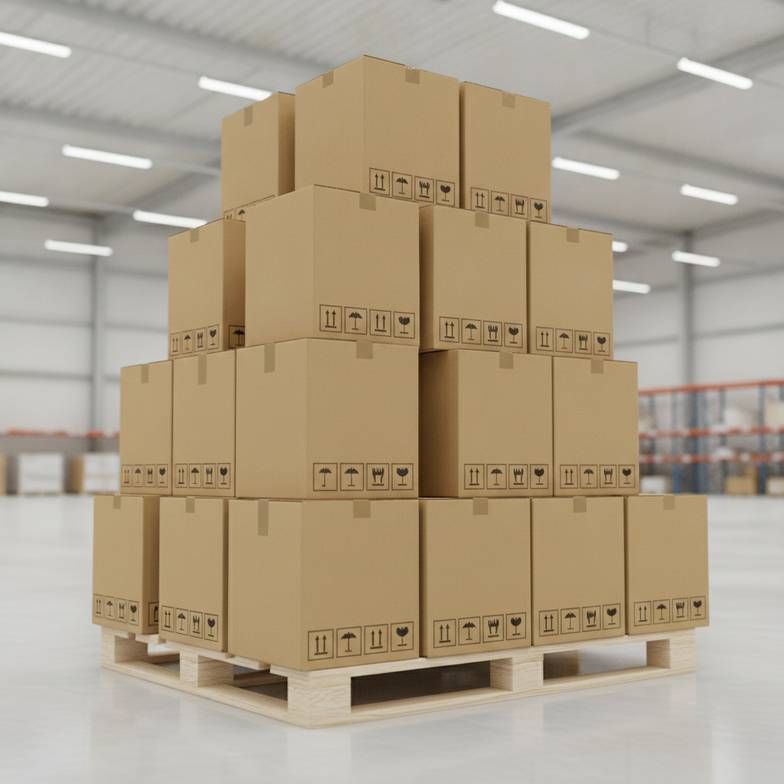
We review their standard procedures for export packing. This is not just about putting an item in a box. We check for:
- Carton Quality: Are they using strong, double-wall cartons suitable for sea freight?
- Internal Protection: Is there sufficient foam, corner protection, and wrapping to prevent scratches and dents?
- Hardware Packing: Are small parts like screws and tools sealed in a separate, clearly labeled bag to prevent them from getting lost or scratching surfaces?
- Labeling: Are cartons clearly marked with the product name, quantity, and handling instructions?
A disciplined packing process can be a good indicator of a factory's overall attention to detail. It shows they understand the realities of international shipping and are committed to the product arriving as expected.
Preparing Your Inquiry to a Supplier
Before you choose a supply partner for your healthcare project, ask them about their factory vetting process. Their answers will tell you more about their reliability than any product photo.
When you are ready to discuss your project, preparing a clear inquiry helps us provide a more relevant recommendation. Consider including the following details:
- A list of the product categories you need (e.g., hospital beds, medical trolleys, bedside cabinets).
- The intended use for each item (e.g., patient ward, emergency room, CSSD).
- Estimated quantities for your project.
- Any specific questions you have about their factory evaluation process, such as:
- "How do your factory checks differ for stainless steel items versus electric beds?"
- "What is your process for checking a factory's export packing procedures?"
- "How do you verify a factory's ability to manage a multi-item project schedule?
Written by
CareFurnex Team
CareFurnex Team shares practical knowledge about hospital beds, patient room furniture, medical trolleys, clinic furniture, and healthcare facility procurement for international B2B buyers.
Related Products
Hospital Beds
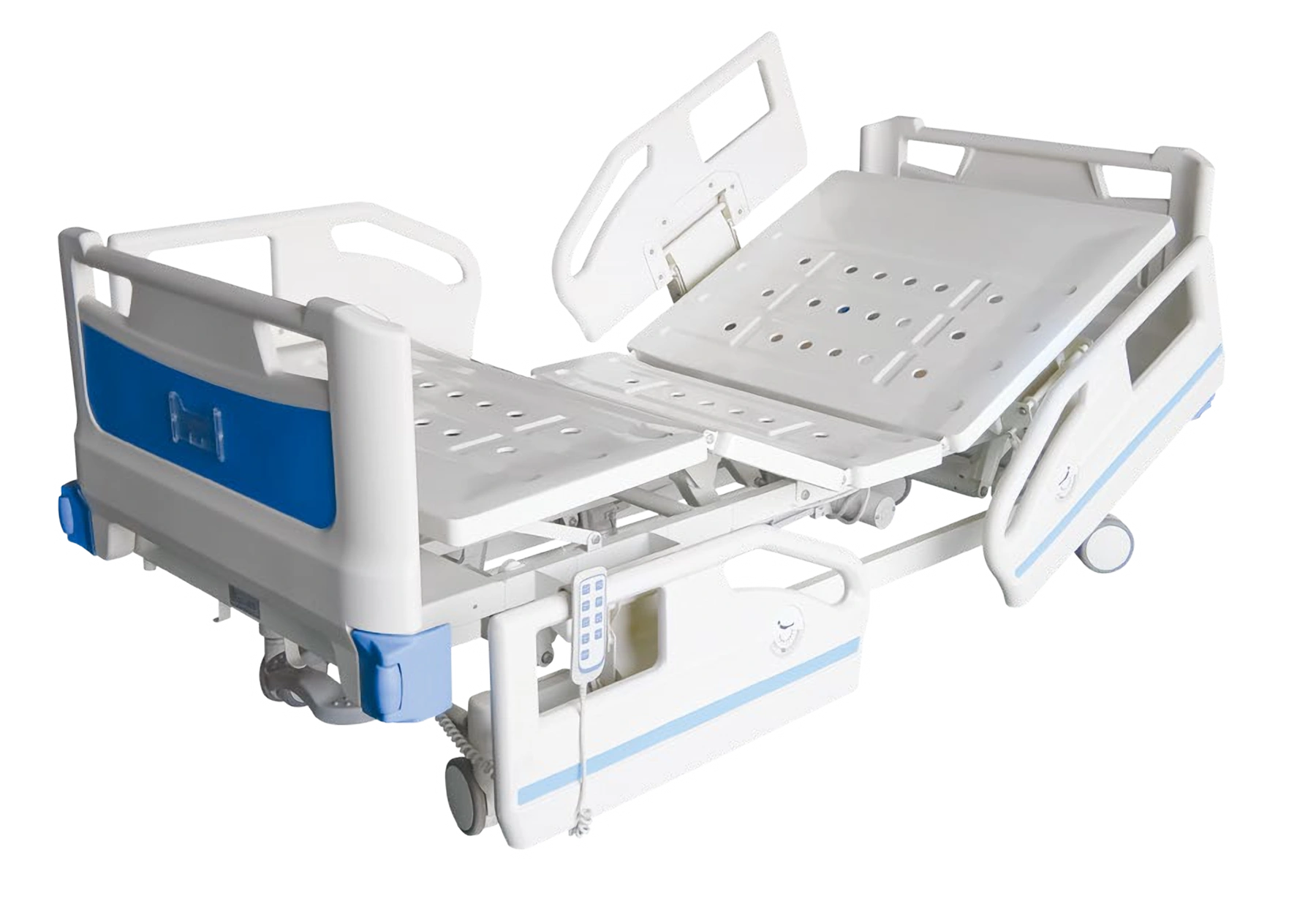
General-purpose patient beds for inpatient wards and standard hospital rooms.
View product
Ward Furniture
Complete ward furniture options for patient rooms and hospital care areas.
View product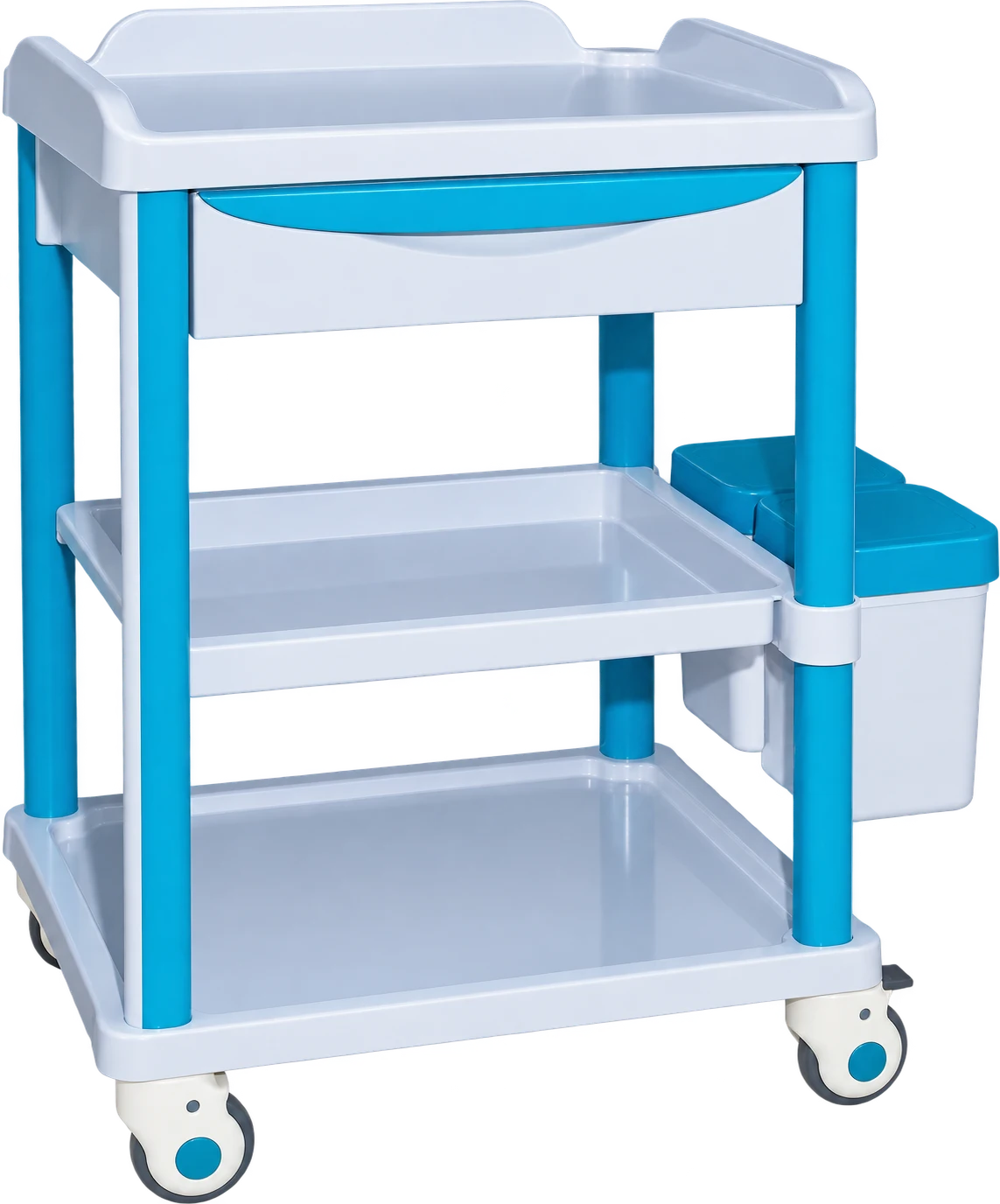
Medical Trolleys
Mobile carts for nursing rounds, treatment supplies, medicines, and clinical tools.
View product