
When a new inquiry for a hospital project lands on my desk, the first thing I look at isn't the list of products. It’s what’s missing. A simple request for "100 hospital beds" or "50 medical trolleys" tells me there’s a high risk of hidden costs down the line. The real budget risks are never in the product names; they are in the unstated details.
To reduce hidden costs when importing hospital furniture, you must shift your focus from unit price to total cost by defining detailed specifications, clarifying packing and shipping volume upfront, and comparing quotations on an identical basis before placing an order.
This isn't about finding the cheapest supplier. It's about implementing a procurement process that protects your budget from the surprises that happen between the quotation and the delivery. Let’s walk through the steps that make the difference.
Start with a Detailed Project List, Not Just Product Names
Many buyers start by sending a simple list of product names and quantities to multiple suppliers. This feels efficient, but it’s the first place hidden costs take root. A supplier who receives a vague list can only give you a vague price, often for a base model that may not be what you actually need.
A professional procurement process starts internally. Before you request a single price, create a detailed project list broken down by department, room, or functional area.
This document should answer:
- Which department is this furniture for (e.g., ICU, general ward, CSSD, clinic)?
- How many of each item are needed per room?
- Are there any specific room layout constraints?
This simple planning step prevents two common and costly problems: ordering mismatched furniture that disrupts workflow and discovering you’re short on items during installation, forcing expensive, rushed air-freight orders. When we receive a room-by-room list, we know the buyer is thinking about the project as a whole. It allows us to help plan for total cost, not just quote a unit price.
Specify Critical Configurations to Avoid Unfit Products
A product photo and a name like "Medical Trolley" are not a specification. Two trolleys that look identical in a picture can be completely different in function, durability, and price. Relying on a photo is a gamble.
To control costs and ensure usability, you must define the critical configuration for each item. This means going beyond the visual and specifying the functional parts.
For example:
- For Medical Trolleys: Are drawers lockable? What kind of casters are needed—standard, silent, or with brakes? What accessories (e.g., sharps container holder, IV pole) are required for the intended department?
- For Hospital Beds: Is it manual or electric? What type of side rails are needed? Is a specific mattress compatibility required?
- For Stainless Steel Furniture: Does your project require a specific material grade for sterilization areas like the CSSD? What kind of surface finish and welding quality is expected?
When a buyer only sends a photo, we have to slow the process down. A picture doesn't tell you if the casters will survive the daily route from the pharmacy to the ward, or if the bedside cabinet's surface meets your facility's requirements for cleaning agents. Getting these details wrong means you've paid to import a product that your staff can't use properly, which is the most expensive outcome of all.

)
Clarify What’s Included vs. Optional to Prevent Budget Blowouts
Here is a classic trap in furniture procurement: you see an accessory in a product photo and assume it's part of the deal. An IV pole on a hospital bed, a mattress on the frame, or a set of baskets on a trolley—if it's not explicitly listed on your quotation as "included," you should assume it's an extra cost.
A low unit price is often achieved by quoting only the bare-bones product. The supplier isn't necessarily being deceptive; they are responding to the pressure to provide the lowest possible number. It’s your responsibility to demand clarity.
Before you compare any prices, make your supplier clearly separate items in the quotation:
- Standard/Included: The core product and any parts that come with it by default.
- Optional/Priced Separately: Accessories, spare parts, or upgrades that must be added to the order.
I have learned to never assume an accessory is included. We ask our clients to review the quotation line by line and ask, "Is this part included in the price or is it an add-on?" This simple question can prevent a budget blowout when you realize you have 100 beds arriving without mattresses or IV poles.
Demand Packing and Shipping Volume (CBM) Data Upfront
This is the hidden cost that surprises buyers the most. You can get two quotes for the same 100 overbed tables with identical unit prices, but one offer can end up being far more expensive than the other. The reason is shipping volume.
The total cubic meters (CBM) of your shipment is a primary driver of your ocean freight cost. This volume is determined by your supplier's packing method.
- Assembled (or semi-assembled): The product is shipped mostly built. This saves time on-site but takes up much more container space, dramatically increasing freight costs.
- Knock-Down (KD): The product is shipped disassembled in flat packs. This requires assembly on-site but can reduce shipping volume significantly.
In project procurement, we often see a buyer save on the unit price but pay significantly more in total because they didn't compare the CBM between two suppliers' packing methods. The unit price means very little until I know the total CBM. This single number often decides which supplier's offer is actually cheaper. Always insist that every quotation includes the carton dimensions, gross weight, and total CBM for your order. A supplier who can't or won't provide this data is not ready for export projects.

)
Compare Quotations on a True "Apples-to-Apples" Basis
Once you have quotations that are built on a detailed project list, clear configurations, defined accessories, and complete packing data, you can finally make a meaningful comparison.
Do not just compare the unit prices at the top. The real work is to line up the offers and check them against your requirements. We encourage buyers to create a simple comparison sheet for major items.
For each supplier, check: 1. Unit Price: The starting point. 2. Configuration: Does it match your specified casters, locks, materials, etc.? 3. Included Items: Are the mattress, IV pole, and other accessories included in the price? 4. Packing Method: Is it assembled or knock-down? 5. Total CBM: What is the total shipping volume? 6. Total Product Cost: Unit price multiplied by quantity. 7. Estimated Freight Cost: Use the CBM to get a rough freight estimate from a forwarder.
This process forces clarity. It quickly reveals that the quote with the lowest unit price may not be the cheapest one after you factor in the cost of missing accessories and higher shipping fees. This is how you find the best value, not just the lowest price.
Your Final Check: Turning a Quotation into a Safe Order
Reducing hidden costs is a process of control and verification. It ends with one final check before you commit your budget. Before issuing a purchase order, review everything one last time. This simple step prevents almost all post-delivery disputes.
Use this as a final pre-order checklist to ensure you’ve covered the major risks.
Pre-Order Checklist to Eliminate Hidden Costs
- [ ] Is your product list broken down by department or room?
- [ ] Have you specified critical configurations (e.g., casters, locks, materials) for each item?
- [ ] Have you received written confirmation of what is included vs. optional (e.g., mattresses, IV poles)?
- [ ] Does the quotation include carton dimensions, gross weight, and total CBM?
- [ ] Are you comparing all quotes based on the same configuration, packing, and trade terms?
- [ ] Has the supplier proactively asked questions to understand your project needs?
- [ ] Have all specifications been re-confirmed in writing before issuing the final purchase order?
Managing these details isn't extra work; it is the work of professional procurement. It’s how you ensure the price you agree to is the price you actually pay, and that the furniture you receive is the furniture your project actually needs.
Written by
CareFurnex Team
CareFurnex Team shares practical knowledge about hospital beds, patient room furniture, medical trolleys, clinic furniture, and healthcare facility procurement for international B2B buyers.
Related Products
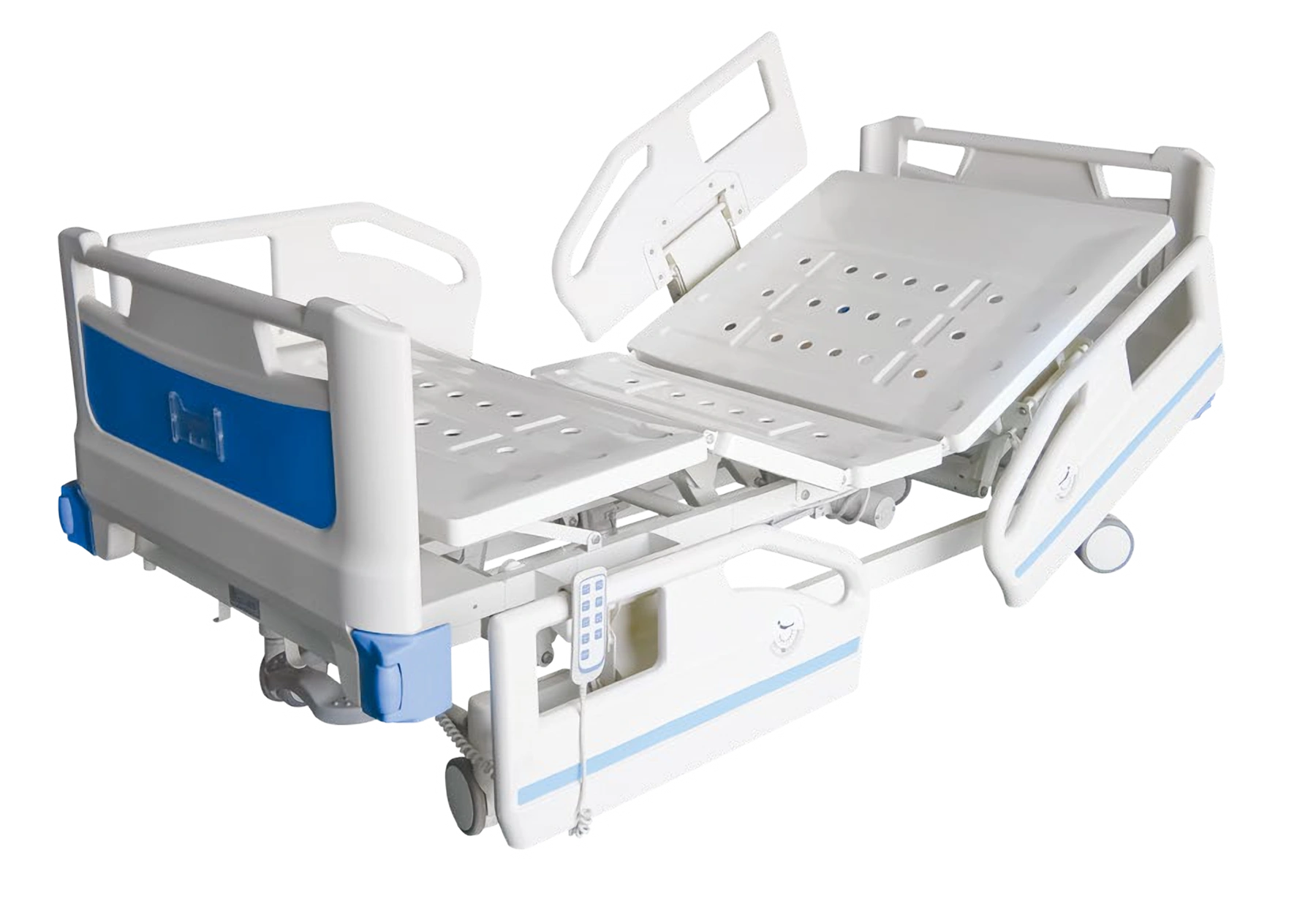
Hospital Beds
General-purpose patient beds for inpatient wards and standard hospital rooms.
View product
Ward Furniture
Complete ward furniture options for patient rooms and hospital care areas.
View product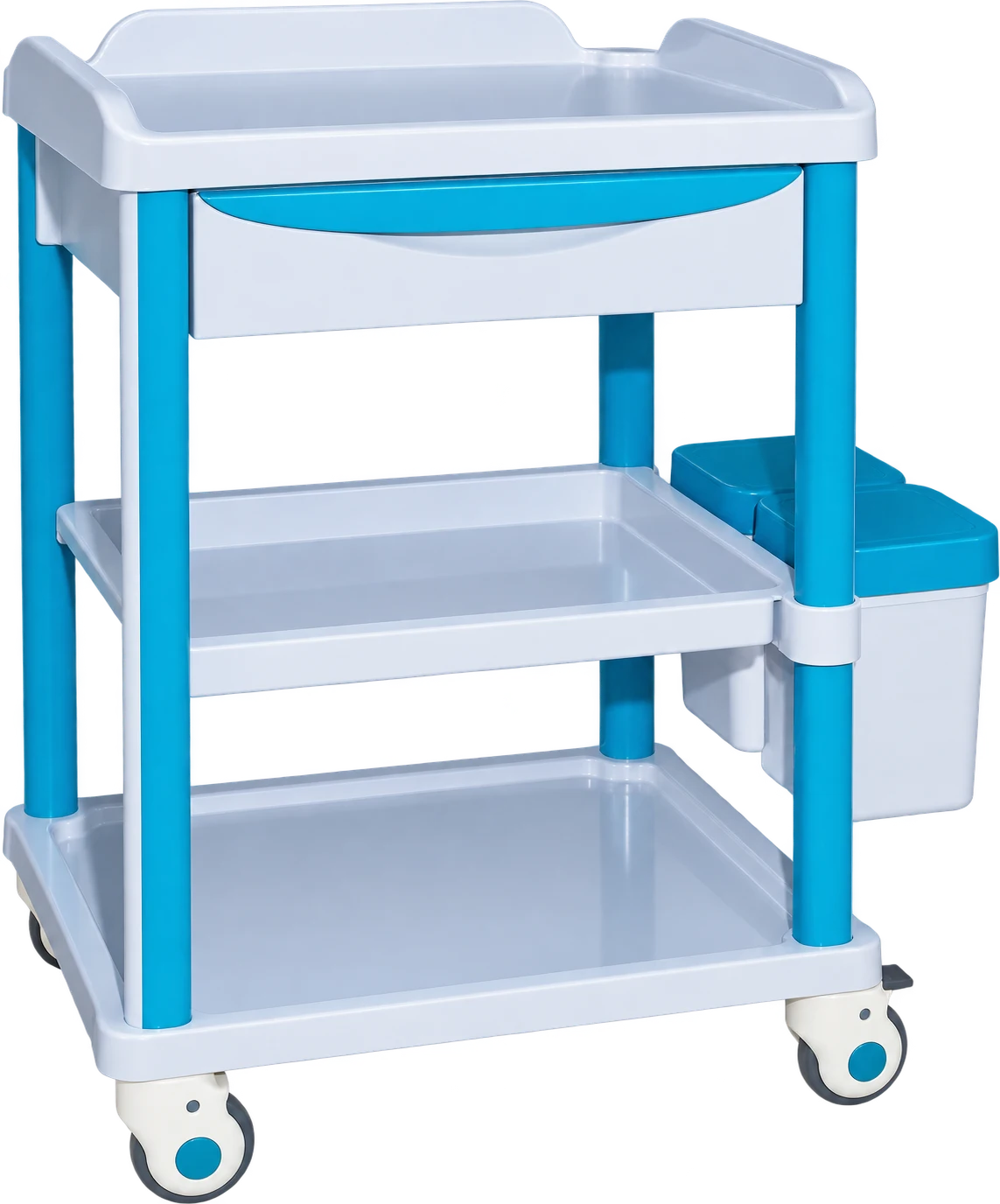
Medical Trolleys
Mobile carts for nursing rounds, treatment supplies, medicines, and clinical tools.
View product