
When a buyer asks me to quote a "treatment trolley," my first question isn't about price. It's about which department it's for and what your cleaning protocol is.
I've seen too many buyers get a trolley that looks right in a photo but has the wrong drawer layout, casters that can't handle their floors, or a material that degrades after a few months of cleaning. A cheap trolley becomes expensive fast if its casters fail or it doesn't fit your team's daily workflow. The real starting point is the department, not the picture.
Choosing the right treatment trolley is not just about size or price. The best choice requires matching the material to your cleaning protocols, the drawer configuration to your workflow, the casters to your floor surfaces and mobility needs, and the accessories to your specific departmental functions before comparing quotations.
Quick Comparison: Key Decision Factors
Before you compare two trolleys, I suggest you compare what you need to confirm for each. A good quotation should make this easy. If these details are missing, the comparison is incomplete.
| Factor | What a Buyer Should Confirm |
|---|---|
| Use Environment | Is it for a busy ward, an emergency room, or a quiet outpatient clinic? The workflow dictates everything. |
| Material | Is the material (e.g., stainless steel, ABS plastic) compatible with your facility's specific cleaning agents and frequency? |
| Drawer Layout | Does the number and size of drawers match the supplies your staff needs to access quickly? Is a locking system required? |
| Casters & Brakes | Are the casters the right size and type for your floors? Are the brakes reliable and easy for staff to operate? |
| Accessories | Which accessories (waste bin, IV pole, sharps container holder) are essential? Are they included in the price or optional? |
| Packing & CBM | How is it packed (assembled or KD)? What are the carton dimensions and total CBM for calculating freight? |
Start with the Use Environment, Not the Catalog
The first mistake I see is buyers asking for a "standard" trolley. There is no universal standard. A trolley for a busy hospital ward has different requirements than one for a small, private clinic.
A ward trolley might be moved constantly over long distances and need robust casters and a durable frame. It may require more storage and specific accessory mounts. A clinic trolley might be moved less frequently within a single room, making a more compact design and basic configuration sufficient.
Before I can give a serious recommendation, I need to know the department, the daily workflow, and how often the trolley will be moved. Without this context, any recommendation is just a guess.

Match the Material to Your Cleaning Protocol
The choice of material—stainless steel, ABS plastic, powder-coated steel—is not just about looks. It's about durability against your facility's specific cleaning and disinfection protocols. Using a trolley with a material that can't withstand your cleaning agents can lead to surface degradation and rust, which may compromise the trolley's cleanability and lifespan.
This is where problems often start. A buyer compares two photos, but the real difference is in the material's long-term durability. You should ask a supplier about material specifications and confirm they are suitable for your cleaning requirements. I would not finalize an order for a large project without this confirmation.
Is the Drawer Configuration Right for Your Workflow?
The drawer layout isn't just a feature; it's a workflow tool. If it's wrong, it creates daily frustration for your clinical team.
Consider what needs to be stored. Do you need many small, shallow drawers for items like syringes and gauze, or several deep drawers for larger packs and bottles? Are dividers necessary to keep supplies organized?
Also, consider security. Do you need a central locking system that secures all drawers with one key, or are locks unnecessary for your use case? A quotation that just says "5-drawer trolley" doesn't give me enough information. I need to know the layout and locking requirements to know if it fits the job.
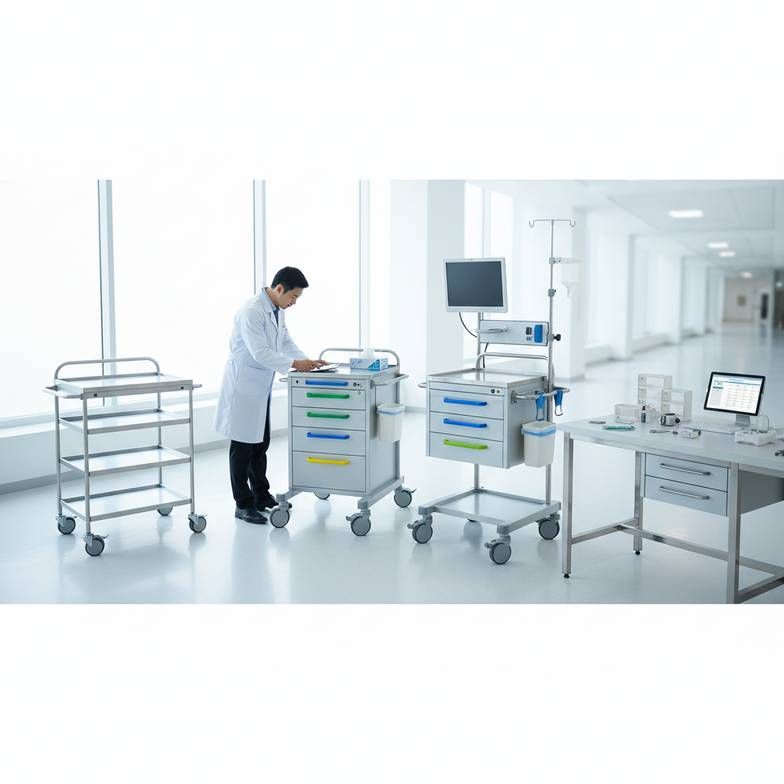
Don't Overlook Mobility: Casters and Brakes
The casters and brakes are the most common points of failure on a poorly specified trolley. Staff will quickly notice if a trolley is hard to push, veers to one side, or won't stay put when the brakes are engaged.
Key questions to ask:
- Caster Size: Larger casters generally handle thresholds and uneven floors better.
- Braking Mechanism: Are the brakes easy to engage and disengage with a foot? Are they on enough wheels to hold the trolley securely?
- Swivel and Lock: Do the casters swivel smoothly?
I would rather clarify the caster type and brake quality now than have your staff complain that the trolley is unstable, difficult to control, or hard to use later. This is a detail that directly impacts daily work.

Clarify the Quotation Scope: Included vs. Optional Accessories
Many marketing photos show trolleys fully equipped with accessories like waste bins, sharps containers, IV poles, and glove box holders. In many cases, these are optional items sold separately.
Assuming these are included is a common and costly mistake. It leads to receiving a trolley that isn't ready for use. If a quotation doesn't clearly separate the standard trolley price from the price of optional accessories, I treat it as an incomplete offer. Always request a detailed list of what is included and what is extra.
Your Treatment Trolley Specification Checklist
Before you send an inquiry, preparing a clear specification list will get you a much faster and more accurate quotation. It shows the supplier you are a serious buyer.
- Department/Use Environment: (e.g., General Ward, ER, Outpatient Clinic)
- Material Preference: (e.g., Stainless Steel, ABS, or "must be compatible with [your cleaning agent]")
- Required Drawer Layout: (e.g., 2 small, 3 large drawers)
- Locking System: (e.g., Central lock required, No lock needed)
- Essential Accessories: (e.g., Must include IV pole and waste bin)
- Casters and Brakes: (e.g., Four casters, at least two with brakes)
- Quantity Needed: (e.g., 10 units)
When you send an inquiry for a treatment trolley, providing these details is the best way to ensure you get a product that works for your team. Send your department's requirements, the desired configuration, a list of essential accessories, and the quantity you need. If you have specific packing or delivery destination details, include those as well. This information allows a supplier to provide a practical, complete quotation instead of just a generic price.
Written by
CareFurnex Team
CareFurnex Team shares practical knowledge about hospital beds, patient room furniture, medical trolleys, clinic furniture, and healthcare facility procurement for international B2B buyers.
Related Products

Ward Furniture
Complete ward furniture options for patient rooms and hospital care areas.
View product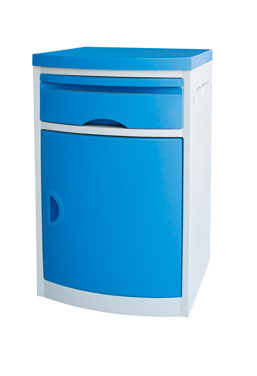
Hospital Bedside Cabinets
This ABS hospital bedside cabinet has a blue top, an upper drawer and a lower door within a light-colored body. Its stated size is 480 × 480 × 760 mm, giving buyers a defined overall footprint for ward furniture planning.
View product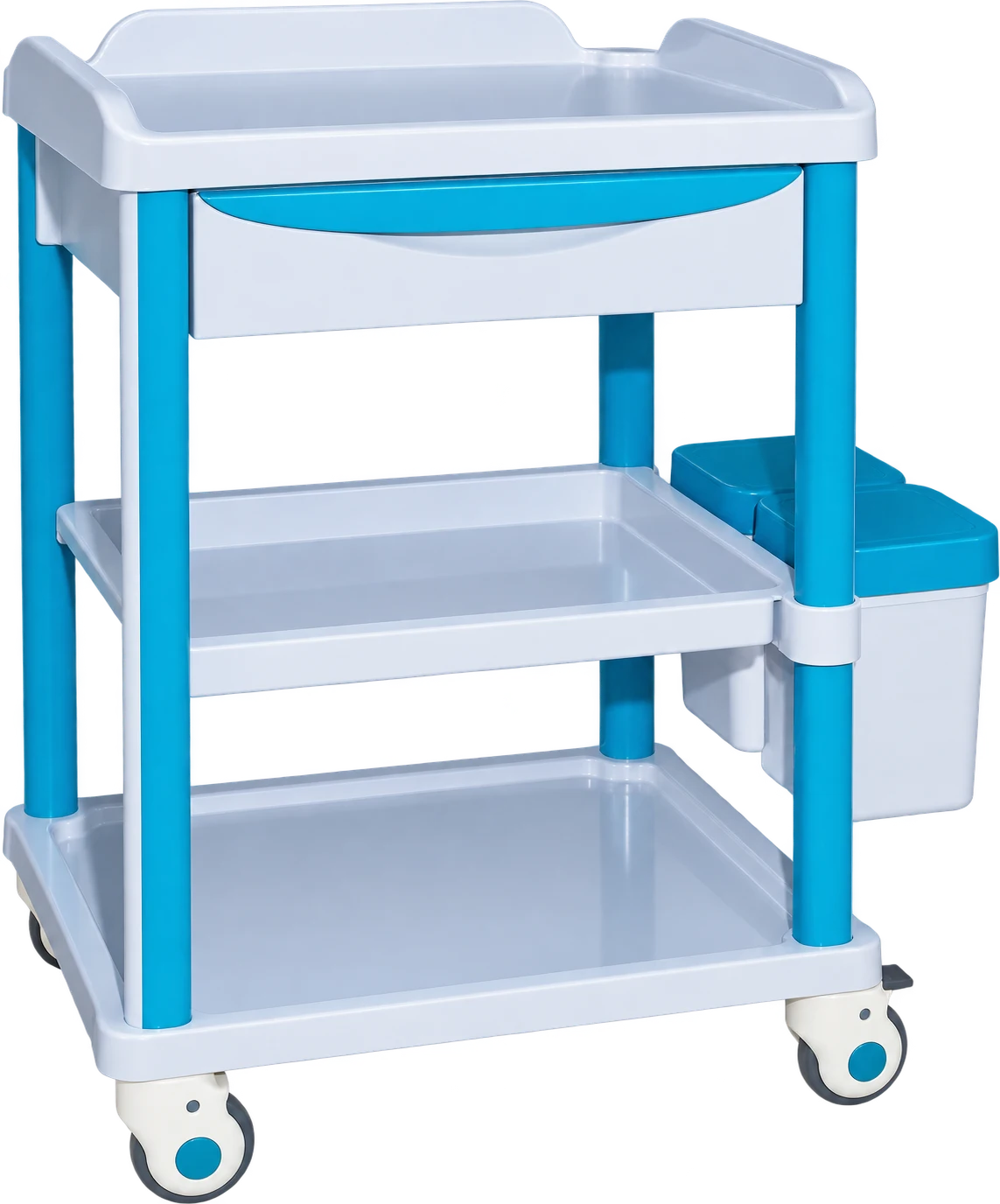
Medical Trolleys
Mobile carts for nursing rounds, treatment supplies, medicines, and clinical tools.
View product