
Comparing the price of a mobile screen to a curtain system is a common starting point for procurement, but it can be misleading. A request for 50 folding screens seems straightforward, but an experienced supplier's first question isn't about price. It's: "Where will you store them?" The answer determines whether those screens are a solution or a new logistical problem.
The real cost of a mobile screen isn't just its price tag; it's the floor space it occupies and the daily wear on its wheels. The real cost of a curtain isn't just the fabric; it's the installation and the laundering. Choosing the right privacy screen requires looking beyond the unit price and matching the product's operational model to your facility's reality.
Choosing between folding, mobile, and curtain-type hospital screens depends on your specific facility's available storage space, cleaning protocols, and ceiling infrastructure. Mobile and folding screens offer flexibility but require storage and floor space, while curtain systems provide consistent coverage but involve installation and specific laundering processes.
A quotation for any of these screens is only comparable when the supplier understands your ward's layout, workflow, and cleaning standards. This article compares these three options from a practical, supplier-side perspective to help you prepare a qualified inquiry.
How Ward Layout Affects the Choice
The physical space of your ward is the first filter for selecting a screen type. A request for "mobile screens" tells a supplier the product type, but not the corridor width or the space around the bed. These dimensions are a key factor.
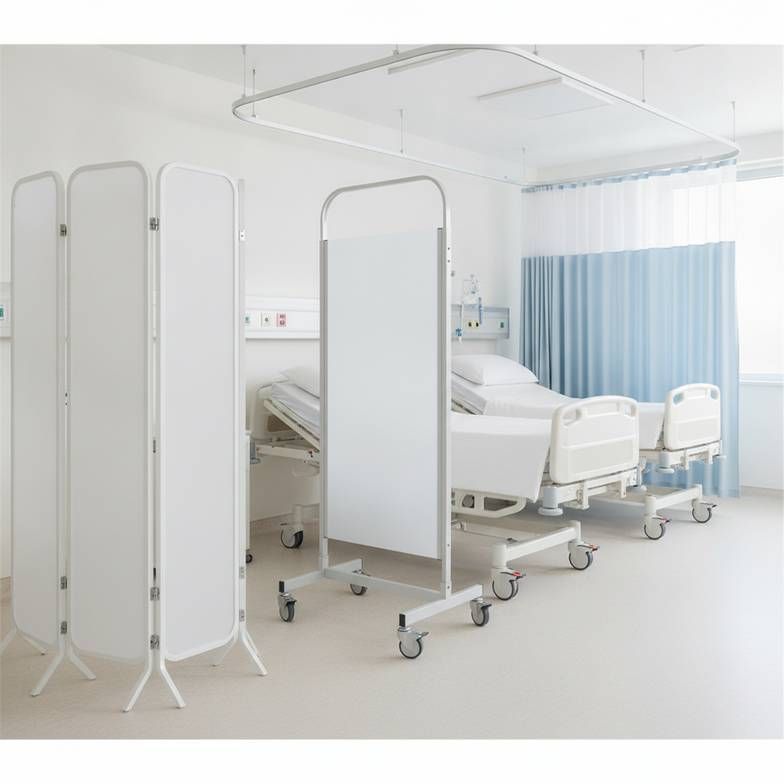
- Curtain Systems: These are the most space-efficient option for the floor. Once installed, they have zero floor footprint, keeping the area around the bed clear for staff and equipment. However, they require a suitable ceiling structure that can support the track.
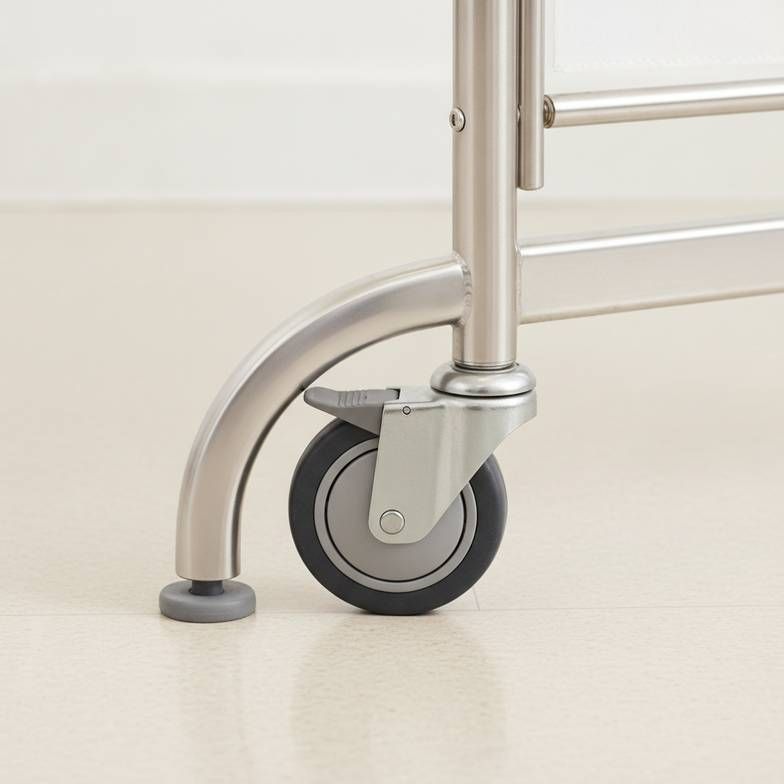
- Mobile Screens: These offer great flexibility but come with a trade-off: the base. A wide, stable base is good for preventing tips, but in a crowded room, it can become a tripping hazard or an obstacle for wheelchairs and medical carts. Before ordering, use tape to mark the base dimensions on your floor to see how it impacts movement.
- Folding Screens: These can be completely removed from the area, offering total flexibility. The main challenge is storage. An order for 20 six-panel folding screens can quickly fill a supply closet. Before confirming a bulk order, calculate the total storage volume needed.
What Are the Cleaning and Infection Control Differences?
A buyer asking for "wipeable panels" tells a supplier the cleaning preference, but not the specific chemical disinfectants used by the facility. This detail is important for material longevity. The cleaning process is as important as the material itself.
For privacy screens, the question is not only whether the material can be cleaned. The harder part is the operational difference:
- Wipeable Panels (Common on Folding & Mobile Screens): Materials like non-porous vinyl are designed to be wiped down. This allows for cleaning in place, which can be a practical advantage in high-turnover areas. You should confirm that the vinyl is compatible with your facility's standard cleaning agents to reduce the risk of cracking or discoloration over time.
- Fabric Curtains: Fabric can offer a less clinical feel but requires a structured process. The curtains must be removed, transported, laundered according to your facility's hygiene protocols, and re-installed. This involves more labor, logistical planning, and having spare curtains on hand. The ceiling tracks also need to be included in the cleaning schedule.
If you are unsure about material compatibility, ask the supplier for a small material sample. Test it with your standard disinfectants for a few days to check for any negative reactions.
When Is a Flexible Screen a Better Choice Than a Curtain System?
A fixed curtain system is not always the right fit. Mobile and folding screens excel in situations where flexibility is more valuable than permanent division.
Consider flexible screens when:
- The Room is Multi-Purpose: In rooms used for consultations, therapy, and patient care, a mobile screen can be brought in only when needed.
- Ceiling Structure is an Issue: In older buildings or rented facilities, the ceiling may not support a curtain track system, making mobile screens a practical choice.
- Privacy Needs are Temporary: For creating a temporary private space in an open-plan clinic or an emergency waiting area, a folding screen is a fast, effective solution.
- Installation Budget is Limited: The cost of installing a curtain track system can be significant. Mobile and folding screens require no installation.
A cheaper mobile screen is not automatically the wrong choice. The real problem is that buyers often compare prices before confirming the total operational cost. A low-cost mobile screen might be a good value for a small clinic with wide-open rooms and minimal daily movement. The issue isn't the price, but the missing comparison basis of how the screen will actually be used, cleaned, and stored.
How to Compare Ward Screen Options for Your Facility
Comparing a unit price for a mobile screen to a per-curtain price is an incomplete analysis. Use this framework to evaluate which option truly fits your facility's operational needs and budget.
| Decision Factor | Folding Screens | Mobile Screens | Curtain Systems |
|---|---|---|---|
| Best For | Ad-hoc privacy in various locations; rooms with infrequent need for division. | High-traffic areas needing frequent but temporary division; when ceiling installation is not possible. | Wards requiring consistent, semi-permanent division for each bed; maximizing floor space. |
| Key Consideration | Requires significant, dedicated storage space when not in use. | Base can be a tripping hazard; casters must match floor type and use frequency. | Requires ceiling structure assessment and installation. |
| Cleaning Process | Panels can be wiped down in place by ward staff. | Panels can be wiped down in place by ward staff. | Fabric must be removed for laundering; tracks require periodic cleaning. |
| What to Confirm in Quote | Number of panels, panel material (e.g., vinyl), folded dimensions for storage. | Base dimensions, caster type (locking/non-locking), overall width. | Ceiling height and material, track layout, fabric's fire-retardant rating (confirm against local codes), and if track/hardware are included. |
How Can I Prepare an Inquiry to Get Comparable Quotes?
A vague request like "price for 10 screens" will likely result in three very different, incomparable quotations. A quote for a curtain system that seems low may only include the fabric, excluding the necessary track and hardware.
To get a complete and actionable offer, a supplier needs to understand your operating environment. Before you contact a supplier, gather the following information:
1. The screen type(s) you are considering (folding, mobile, curtain, or a mix). 2. The quantity needed for each type. 3. A simple sketch or dimensions of the ward, including space between beds and corridor width. This is particularly important for mobile screens. 4. For curtain systems: Your ceiling height and an idea of the ceiling material (e.g., concrete, drop-ceiling). If you don't have architectural drawings, photos can be very helpful. 5. For folding/mobile screens: The approximate dimensions of your available storage area. 6. Your facility's standard cleaning protocol or a list of the main chemical disinfectants you use.
With these details, a supplier can stop guessing and start recommending a solution that fits your space, your workflow, and your budget. This is when a quotation becomes a useful tool for making a sound procurement decision.
Written by
CareFurnex Team
CareFurnex Team shares practical knowledge about hospital beds, patient room furniture, medical trolleys, clinic furniture, and healthcare facility procurement for international B2B buyers.
Related Products
Ward Furniture
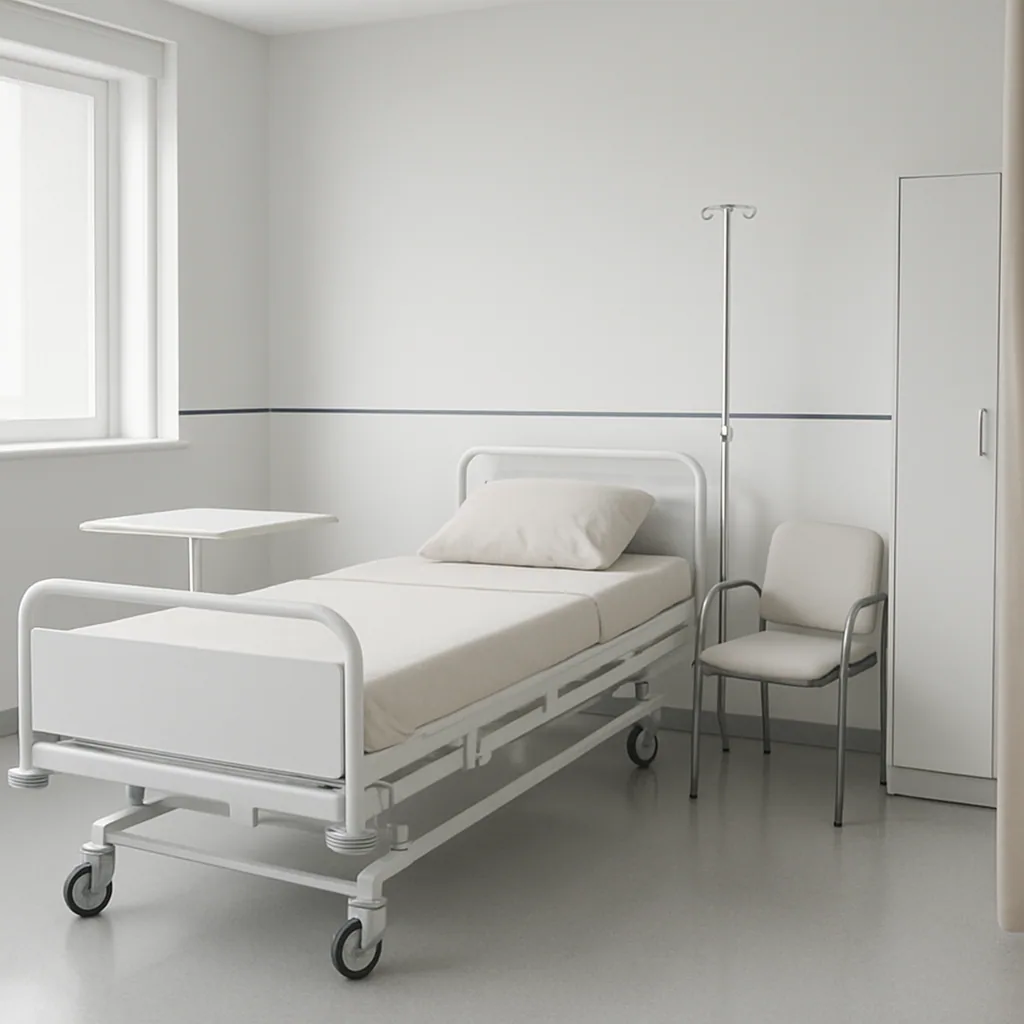
Complete ward furniture options for patient rooms and hospital care areas.
View product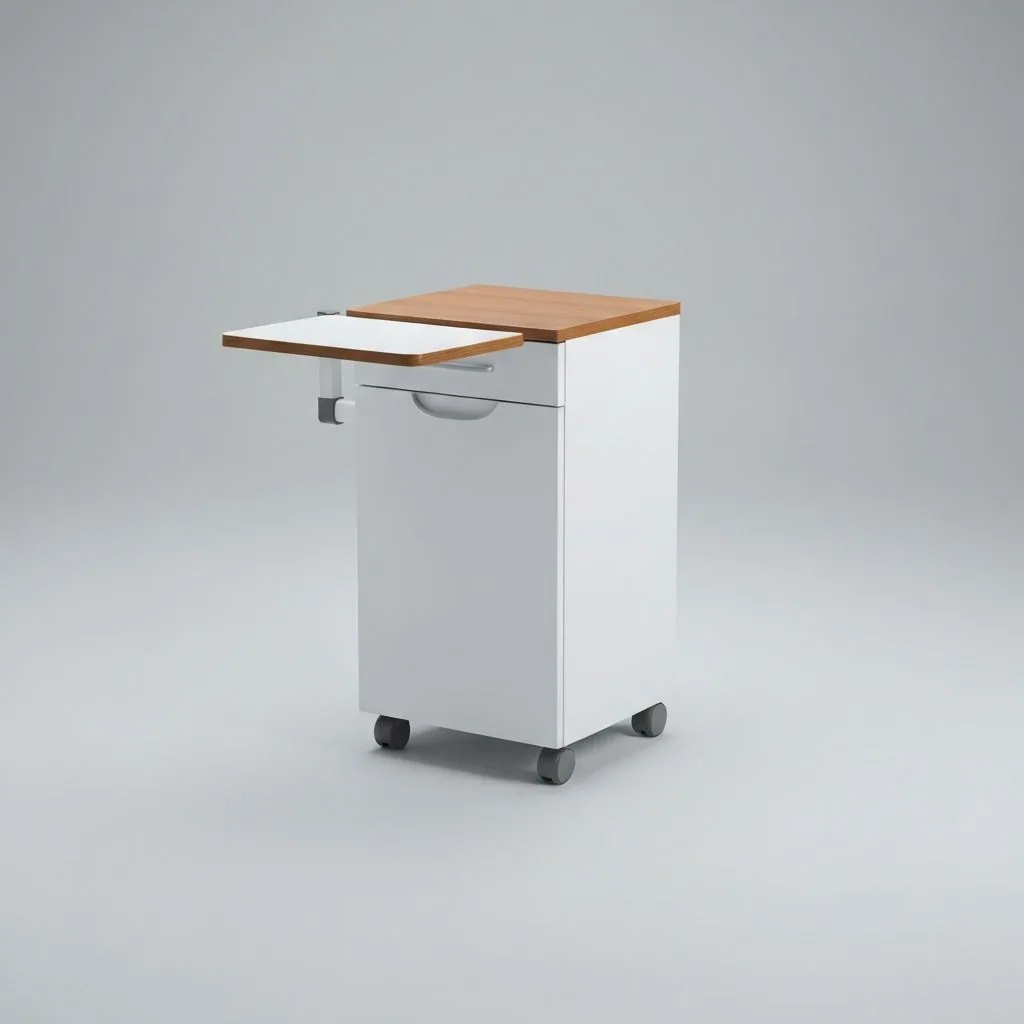
Hospital Bedside Cabinets
Bedside cabinets with drawers, storage, dining board options, and easy-clean materials.
View product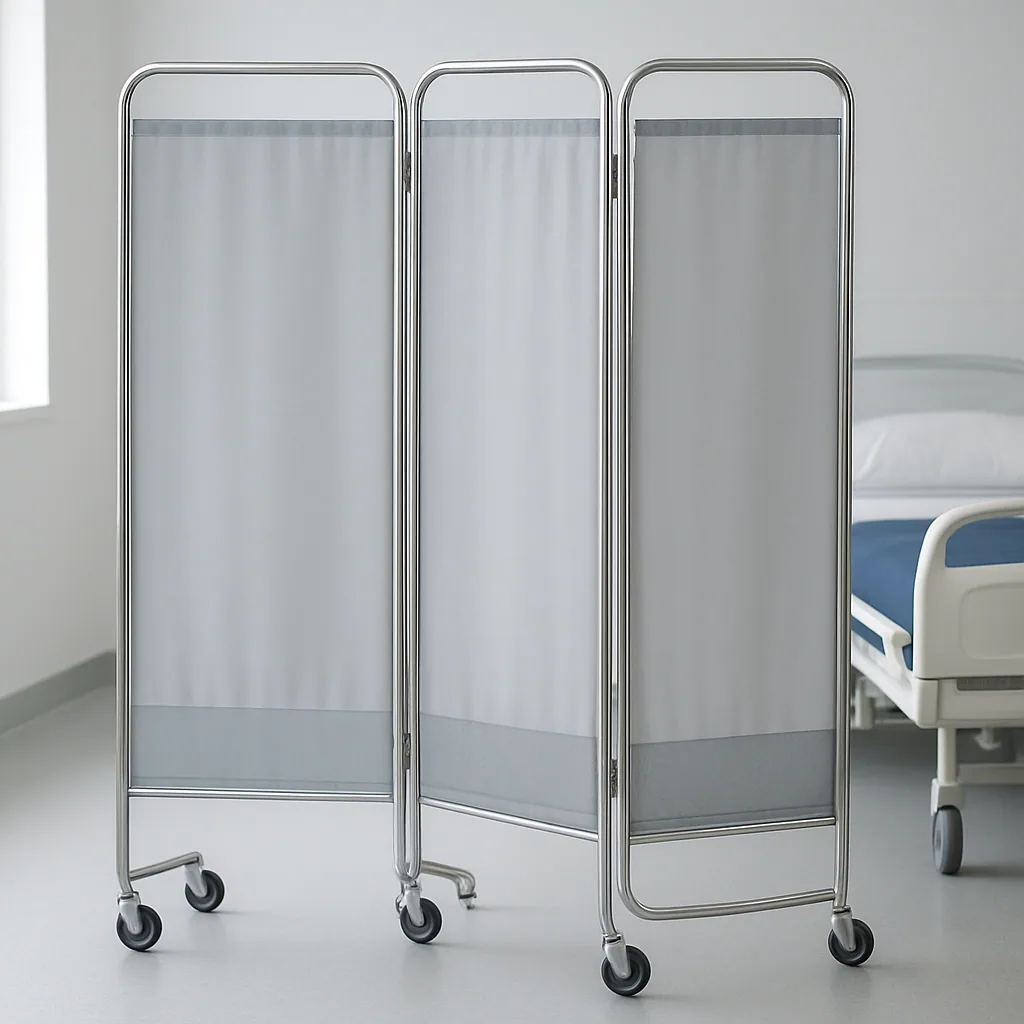
Hospital Privacy Screens
Foldable or mobile screens for patient privacy and ward separation.
View product