
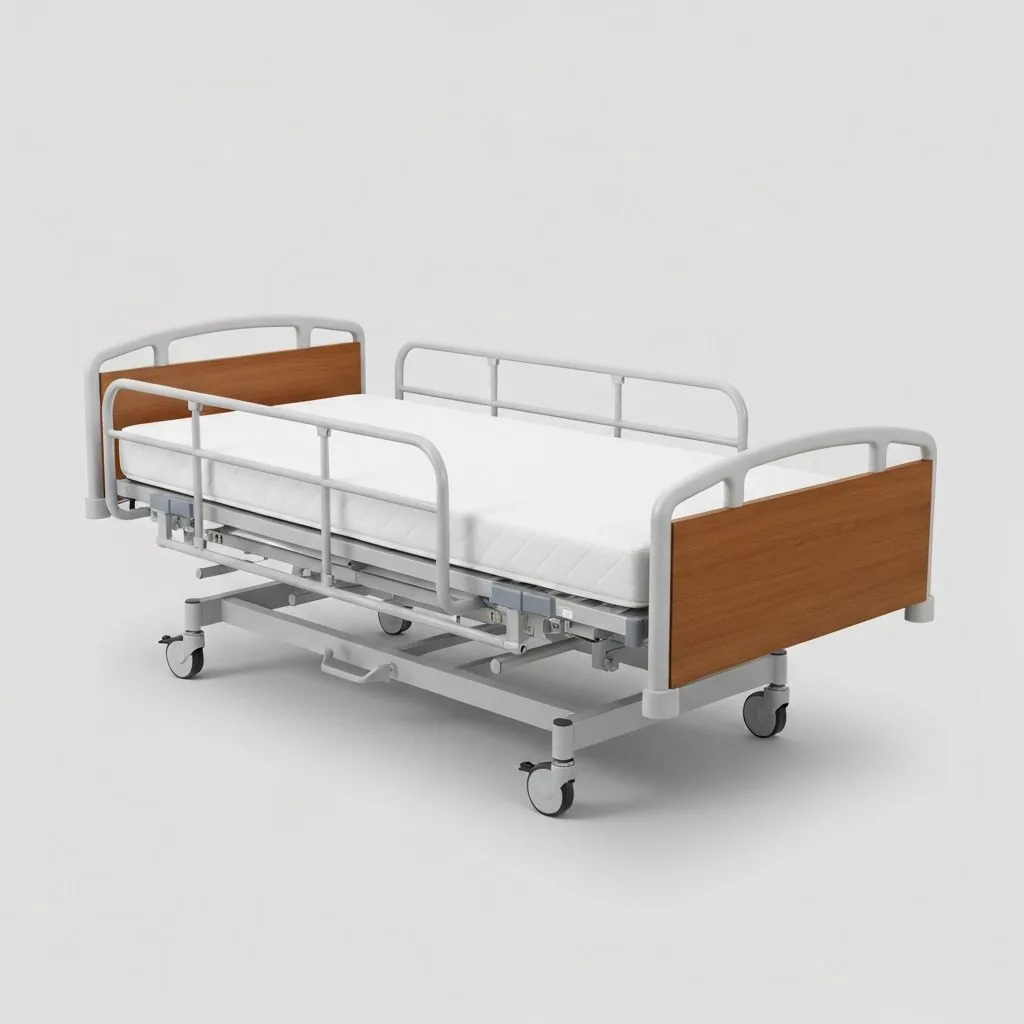
Running a hospital or nursing home means accommodating patients of all needs, but what happens when your standard beds are too short for taller individuals? This common problem can compromise patient comfort and safety. You know that a hospital bed extension kit is a cost-effective solution, but choosing the wrong one can lead to incompatible parts, structural instability, and frustrating project delays.
To safely procure a hospital bed extension kit, buyers must confirm the connection mechanism's compatibility with their existing bed frame, verify the material specifications (like steel thickness) beyond the stated load capacity, and ensure a corresponding mattress extender is included to create a complete, safe, and comfortable sleeping surface.
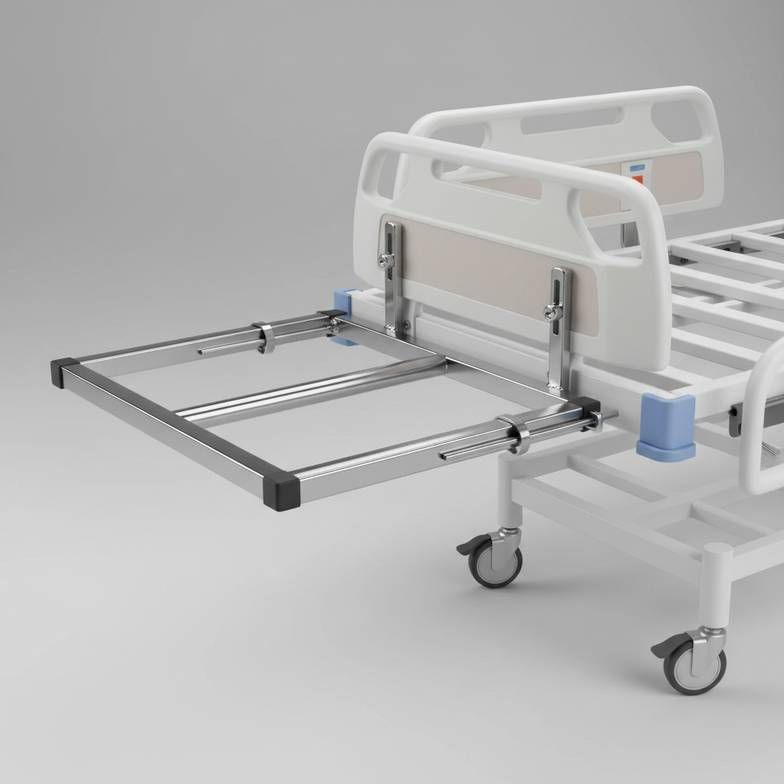
Getting these details right transforms a simple accessory purchase into a strategic upgrade for your facility. But how do you turn these technical points into a practical checklist? Let’s break down the critical questions you need to ask your supplier before you issue a purchase order.
How Can You Ensure the Connection Mechanism is Safe and Compatible?
You’ve found a potential supplier for bed extenders, but you’re worried they won’t fit the dozens or hundreds of beds you already have. An insecure connection is not just an inconvenience; it's a significant patient safety hazard that could lead to structural failure. You need a reliable way to verify the fit before committing.
To ensure compatibility, you must provide your supplier with detailed photos and measurements of your bed frame’s connection points. In return, ask for detailed drawings or a video demonstration of their proposed extension's locking system to confirm a secure and stable fit.
Dive Deeper: From Theory to a Secure Lock
The connection point is the single most critical element of a hospital bed extension kit. A mismatch here renders the entire product useless and dangerous. From our experience at CareFurnex, we've seen cases where a facility ordered 50 extenders that simply couldn't attach, halting an entire ward upgrade and wasting valuable budget. This is an entirely avoidable problem.
To de-risk your purchase, you must first understand the main connection types and then provide your supplier with the right information.
Common Connection Types and Their Applications
Different bed frames require different locking systems. Here’s a breakdown of what you might encounter:
| Connection Type | How It Works | Best For | Key Question for Supplier |
|---|---|---|---|
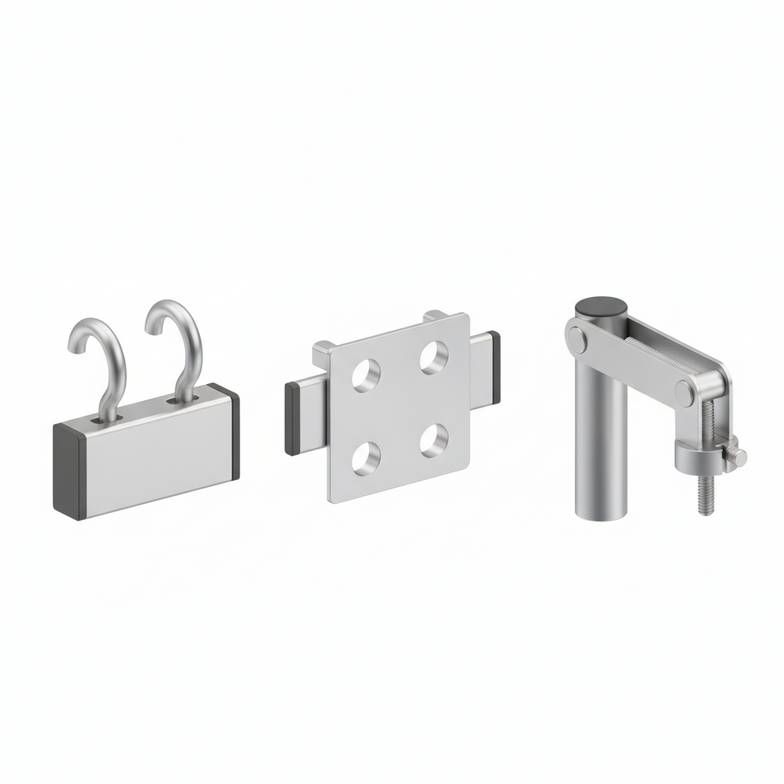
| Drop-in / Hook-on | The extension has hooks or pins that slot directly into existing holes or brackets on the bed's headboard or footboard frame. | Beds designed with built-in accessory ports. This is the simplest and often most secure method if the bed is designed for it. | "Can you provide a drawing showing the exact dimensions and shape of the hooks/pins?" |
| Bolt-on | The extension is attached using nuts and bolts that pass through pre-drilled holes in both the bed frame and the extender. | Providing a very rigid, permanent connection. Common in older bed models or for bariatric solutions. | "What is the diameter and spacing of the bolt holes? Does it come with the necessary hardware?" |
| Clamp-on | The extension uses a clamping mechanism with screws or levers to grip onto the bed's frame tubes. | Versatile for frames without dedicated connection points, but its stability depends heavily on the clamp's design and the tube's shape. | "Please provide a video demonstrating how the clamp tightens and show its grip on a tube similar to ours." |
What to Provide Your Supplier
To get a compatible product, you must act as your supplier's eyes. Send them a "specification package" for your existing beds that includes:
- High-resolution photos of the head and/or foot end of the bed frame where the extension would attach.
- Precise measurements of the frame tubes (e.g., round tube diameter, rectangular tube width and height).
- Dimensions of any existing holes, including their diameter and the distance between their centers.
- The overall width of the bed frame.
A professional supplier will use this information to confirm if their standard model fits or if a custom solution is needed. If a supplier says "it should fit" without asking for these details, consider it a major red flag.
What's More Important Than the Stated Load Capacity of a Hospital Bed Extension Kit?
A supplier quotes a high load capacity of 250 kg, but the price seems too good to be true. How can you be sure the extender isn't made from weak materials that will bend, wobble, or break under the stress of daily use and patient repositioning?
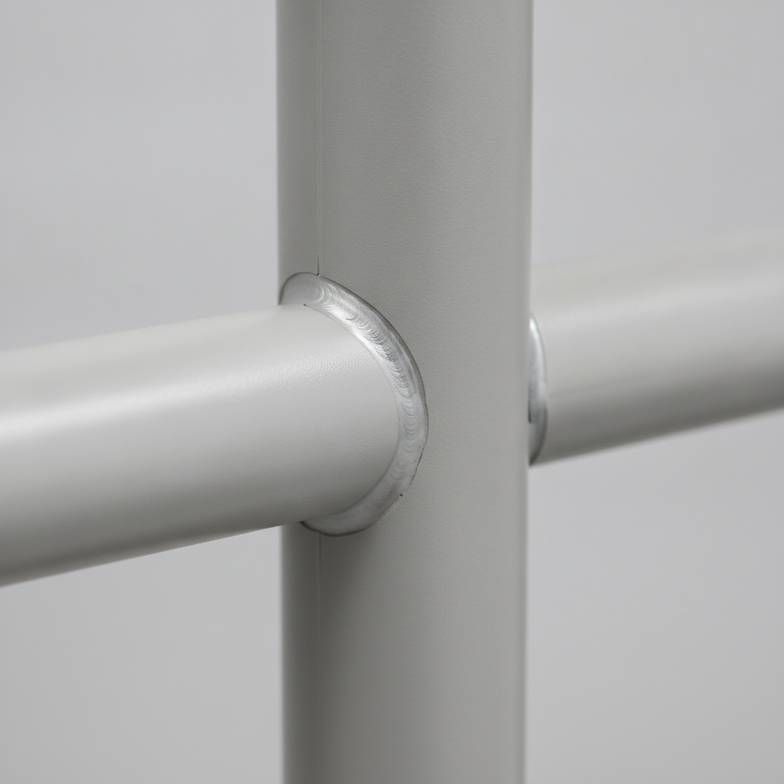
The material specifications—specifically the steel tube thickness, welding quality, and surface finish—are far more important than the stated load capacity alone. These tangible details determine the hospital bed extension kit's real-world durability, long-term safety, and resistance to wear and tear from cleaning chemicals.
Dive Deeper: Looking Beneath the Surface
A "static load capacity" figure is easy to claim but hard to verify. It often refers to a perfectly distributed, motionless weight. This doesn't reflect the reality of a hospital environment, where dynamic forces are applied every time a patient moves, sits up, or is transferred. True durability comes from the quality of the raw materials and construction.
Decoding Material Specifications
The structural integrity of the extender depends on the steel used. When comparing quotes, don't just look at the price; look for the material thickness.
- Steel Thickness: For most standard applications, the frame tubes should be made of steel that is at least 1.5 mm thick. Some budget options may use 1.2 mm or even 1.0 mm steel, which is more prone to bending over time. For bariatric applications, you should look for 2.0 mm or thicker.
- Actionable Question: “What is the thickness in millimeters of the steel tubing used for the frame?”
Assessing Construction Quality Remotely
You don't need to be a certified welder to spot good or bad work. The quality of the weld joints is a direct indicator of the manufacturer's attention to detail and the product's strength.
- What to Look For: Good welds are continuous, even, and clean, with no visible cracks, holes (porosity), or excessive spatter. Bad welds look lumpy, inconsistent, and may have gaps.
- Actionable Question: “Can you please send me high-resolution, close-up photos of the main weld joints on the extension frame?”
The Importance of Surface Finish
The extension will be exposed to rigorous cleaning protocols. A poor surface finish will lead to rust, which compromises both hygiene and structural integrity.
- Powder Coating vs. Paint: An electrostatic powder coat is superior to simple liquid paint. It creates a thicker, more durable, and more chip-resistant layer that provides better protection against rust and harsh cleaning agents.
- Actionable Question: “Is the frame finished with electrostatic powder coating or liquid paint?”
By asking these specific questions, you force suppliers to compete on quality and transparency, not just a meaningless load capacity number.
Why is a Hospital Bed Extension Kit Incomplete Without a Mattress Solution?
You’ve successfully found and installed the perfect frame extender. The bed is longer and more stable. But now you have a new problem: a 20 cm gap at the end of the bed where the mattress ends. This gap is a serious entrapment risk and makes the extension useless for patient care.
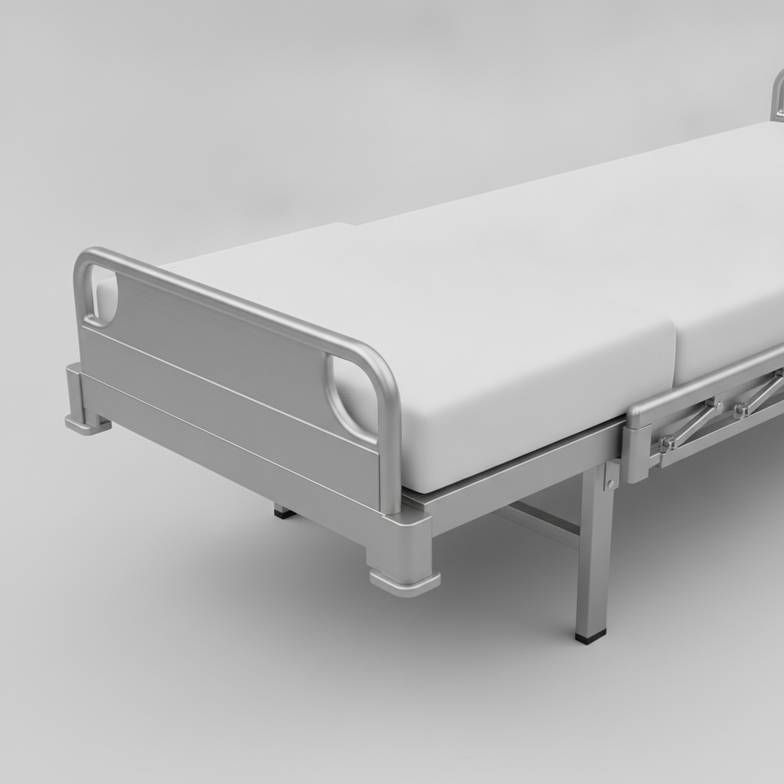
A frame extension creates a longer bed base that requires a corresponding mattress solution. This is typically either a mattress extender piece or a new full-length custom mattress. Overlooking this crucial component can lead to project delays, safety hazards, and patient discomfort.
Dive Deeper: Completing the Patient Surface
In my role supporting hospital project contractors, one of the most common oversights I see is the failure to plan for the mattress. A professional supplier shouldn't just sell you a frame piece; they should ask, "How will you be managing the mattress?" This is a key indicator of a supplier who understands the clinical application, not just the hardware.
You have two primary options for creating a safe and continuous patient surface.
Option 1: The Mattress Extender Piece
This is the most common and cost-effective solution. It is a block of foam, cut to the exact width of your existing mattress and the length of your frame extension.
- Foam Density: The foam should be high-density to provide adequate support and prevent it from collapsing under a patient's weight. Ask for a density comparable to your existing medical-grade mattresses.
- Covering: The extender piece must have a cover that matches your hospital's infection control standards. This means it should be waterproof, breathable, anti-bacterial, and easily wiped down with standard hospital disinfectants. A high-quality zipper or welded seams are essential.
- Attachment: Some mattress extenders come with straps or a fabric flap to secure them to the main mattress, preventing shifting and gap formation.
Option 2: The Full-Length Custom Mattress
In some situations, ordering a new, longer mattress is the better choice.
- When to Consider: This is often the preferred solution for high-dependency environments like ICUs or for bariatric beds where a seamless surface is paramount for pressure care and patient handling. It's also a good option if your existing mattresses are nearing the end of their life anyway.
- Specifications: When ordering a custom mattress, all the standard specifications apply: foam type (e.g., multi-layered, memory foam), cover material, fire retardancy standards, and exact dimensions (length, width, height).
When you send out your Request for Quotation (RFQ) for a hospital bed extension kit, be sure to include a line item for the mattress solution. This ensures you receive a "total solution" quote and can accurately compare offers from different suppliers.
Frequently Asked Questions
Can a hospital bed extension kit be used on any hospital bed?
No, compatibility is highly specific. A kit must match your bed's frame design, connection mechanism, and dimensions. Never assume a "universal" model will fit. Always verify compatibility by providing your supplier with detailed measurements and photos of your bed frame.
What is the typical length added by a bed extender?
The most common length added is approximately 20 cm (about 8 inches), which is designed to accommodate taller patients comfortably. However, this can often be customized. It's best to specify the final, total bed length you require to your supplier.
Is a bariatric bed extension different from a standard one?
Yes, absolutely. A bariatric bed extension must be engineered for a significantly higher safe working load. This requires thicker steel, reinforced weld joints, and a robust connection mechanism. It may also be wider to match the bariatric bed frame.
How do I install a hospital bed extension kit?
Installation varies by type. Drop-in or hook-on models are typically tool-free and can be installed in seconds. Bolt-on models will require basic tools like wrenches. Always request clear installation instructions or a demonstration video from your supplier to ensure your maintenance staff can perform the task correctly and safely.
Conclusion
Choosing the right hospital bed extension kit is a task that demands careful attention to technical details. It's not about finding the cheapest add-on; it's about ensuring patient safety, long-term durability, and seamless integration with your existing assets. By focusing on the three critical areas—the connection mechanism, the material and construction quality, and the complete mattress solution—you can move beyond vague promises and make a procurement decision based on verifiable facts. Empower your team by asking specific, targeted questions. This approach will help you select a product that truly enhances patient care and delivers lasting value to your facility.
At CareFurnex, we specialize in helping healthcare procurement managers and project contractors navigate these specifications. If you're sourcing hospital furniture and need to ensure every detail is correct for your tender or project, contact us to discuss your requirements. We can help you build a clear RFQ to get the right products with less risk.
Written by
CareFurnex Team
CareFurnex Team shares practical knowledge about hospital beds, patient room furniture, medical trolleys, clinic furniture, and healthcare facility procurement for international B2B buyers.
Related Products
Hospital Beds
General-purpose patient beds for inpatient wards and standard hospital rooms.
View productElectric Hospital Beds
Motorized multi-function beds with electric height, backrest, and leg adjustment options.
View product
Ward Furniture
Complete ward furniture options for patient rooms and hospital care areas.
View product