
It's a common frustration. The new medical trolleys looked perfect in the catalog, but after three months in a busy ward, the frames are starting to wobble and a drawer is already jamming. The hospital bed's side rail, once solid, now rattles with every adjustment.
These aren't random failures. They are often the predictable outcome of specific, and frequently hidden, design choices and component specifications. When comparing two products that look nearly identical, the one that is 15% cheaper might be missing the very details that prevent these exact problems.
The most common quality problems in hospital beds and medical trolleys relate to component durability and structural integrity, not just visible features. To help reduce the risk of premature failure, buyers should check the specifications for caster bearings, the quality of frame welds, the load rating of drawer slides, and the material used for plastic parts like side rails.
As suppliers, we see where the disconnect happens. A buyer is focused on the function—an electric bed or a five-drawer trolley—while the nursing staff experiences the daily reality of a wobbly frame or a seized caster. The good news is that you can diagnose many of these potential issues before you place an order by asking a few targeted questions.
Why Do Some Medical Trolleys Start to Wobble or Feel Unstable?
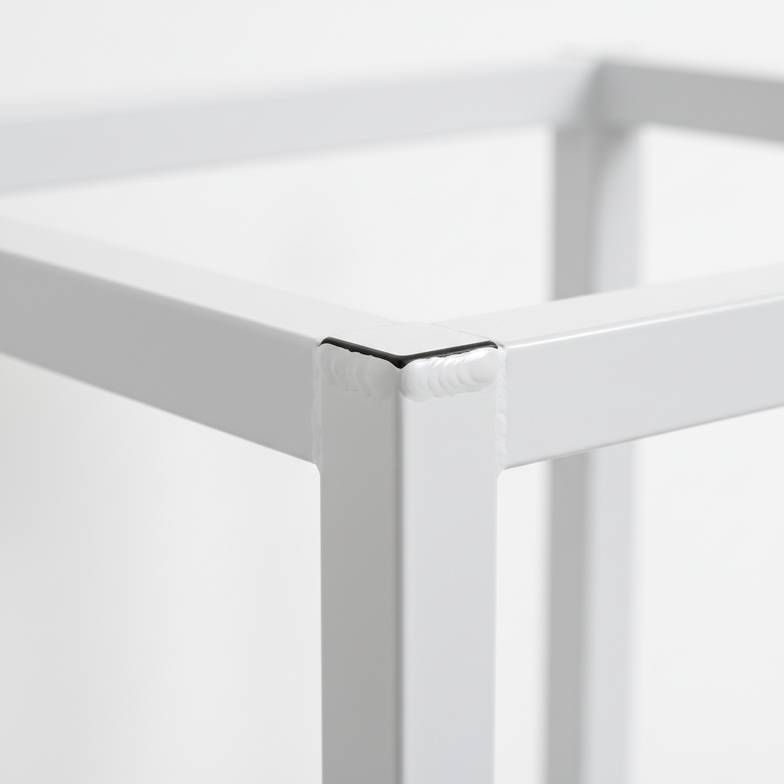
A wobbly frame is a clear symptom of structural weakness. Buyers often assume that a heavy product is a strong one, but stability comes from smart design and quality manufacturing, not just weight. The wobble you feel is often caused by one of three things: thin-gauge steel, incomplete welds at key joints, or a weak mounting plate where the casters attach to the frame.
When a trolley is constantly pushed over thresholds and around corners, these weak points are put under stress. The frame starts to flex, the joints loosen, and the entire unit feels unstable.
A practical way to check this on a sample is to place your hand on a top corner and push the trolley sideways. Does the frame flex or twist? Now, look closely at the weld joints. Are they smooth and complete, or can you see gaps and rough spots? A supplier should be able to tell you the steel gauge used in the frame. A frame that feels rigid during this simple test is more likely to hold up over time.
What Is a Common Reason Casters Jam or Break?
One of the most frequent failure points on a mobile piece of hospital equipment is the casters. A trolley with a seized wheel is no longer a trolley; it's a stationary obstacle.
The mistake is assuming that a caster that rolls smoothly on a sample in an office is good enough for a hospital. The real test isn't a clean floor; it's long-term resistance to contamination. Hospital floors are regularly cleaned with chemical agents, and they collect dust, hair, and other debris. This mixture works its way into the caster's bearings.
This is where one small specification makes a huge difference: sealed bearings. Unsealed bearings are open to the environment. Once contaminated, they can begin to corrode and seize. Sealed bearings have a protective shield that helps keep debris and moisture out, helping to extend their operational life.
When you get a quotation, it might just say "4-inch casters." Before you compare prices, ask the supplier to confirm if the casters use sealed bearings. This detail alone is a strong indicator of whether the product is designed for a real healthcare environment.
How Can I Tell if a Steel Finish Will Chip and Lead to Rust?
In a hospital, a chip in the powder-coat finish is more than a cosmetic problem—it's a hygiene concern. That small break in the surface allows moisture to get underneath, leading to rust and creating a crevice that is difficult to properly sanitize.
The durability of the finish has less to do with the final layer of paint and more to do with an invisible process step: surface pre-treatment. Applying powder coat directly to untreated steel is fast and cheap, but it creates a weak bond. The finish can easily chip or flake off with minor impacts.
A more robust process involves a multi-stage chemical wash and pre-treatment (like phosphating) before the powder coating is applied. This creates a microscopic surface texture that the coating can bond to securely. This bond helps prevent rust from creeping under the paint even if the surface gets a small scratch. A supplier who focuses on durability should be able to briefly describe their surface preparation process. It's a sign they understand what makes a finish last in a demanding setting.
What Makes a Hospital Bed's Side Rails Feel Loose or Insecure?
For nursing staff, a rattling or wobbly side rail is a constant source of frustration and a perceived safety issue. Buyers often check that a bed has side rails, but they don't check how the latching mechanism is designed for long-term use.
This mechanism will be operated hundreds, if not thousands, of times a year. A simple, spring-loaded pin may feel adequate on a new product, but it can wear down quickly, leading to "play" or wobble in the rail. This creates noise and can make the rail feel insecure.
A better-designed mechanism provides a solid, positive engagement. When you lift or lower the rail, you should hear and feel a definitive "click" as it locks into place. On a sample, I would operate the latch 10-15 times. Feel for any looseness or wobble when it's in the locked position. That small detail tells you a lot about the daily user experience and the mechanism's durability.
Pre-Purchase Diagnostic Checklist
Use this checklist to turn these insights into practical questions for your suppliers. Comparing answers on these points will give you a much clearer picture of quality than comparing prices alone.
| Common Issue (Symptom) | Likely Cause (Manufacturing Detail) | Buyer Check (What to Ask or Test) |
|---|---|---|
| Trolley frame wobbles or flexes under load. | Thin-gauge steel, poor weld quality at joints, or weak caster mounting. | Ask for the steel gauge specification. On a sample, push the frame sideways to test for flex. |
| Casters jam or become difficult to push. | Unsealed bearings are contaminated by cleaning fluids and floor debris. | Ask the supplier to confirm in writing if the casters use "sealed bearings." |
| Powder coat finish chips easily, leading to rust. | Inadequate surface preparation before the coating was applied. | Ask the supplier to describe their surface pre-treatment process before powder coating. |
| Drawers sag or become difficult to open when full. | The drawer slides are not rated for the weight of medical equipment. | Ask for the load rating of the drawer slides in kilograms or pounds. Test a loaded sample. |
| Hospital bed side rails feel loose or rattle. | A weak or simple latch mechanism design without positive engagement. | On a sample, operate the latch multiple times. Listen for a solid "click" and check for wobble. |
How to Prepare a Clearer Inquiry
Instead of sending a vague request for "a medical trolley," you can now build a more qualified inquiry that helps you filter suppliers effectively. A supplier who understands these details is better equipped to provide a product that lasts.
Before you request quotations, consider including a few specific questions based on your needs and the checklist above. For example:
- "We require an emergency room trolley. Please confirm the casters use sealed bearings."
- "For the bedside cabinets, what is the load rating for the drawer slides?"
- "Please briefly describe the surface preparation process used on your steel frames before powder coating."
Asking these questions upfront moves the conversation beyond price and toward long-term value and operational reliability. It helps you compare quotations on a more equal footing and helps reduce the chance of unwelcome surprises after your order arrives.
Written by
CareFurnex Team
CareFurnex Team shares practical knowledge about hospital beds, patient room furniture, medical trolleys, clinic furniture, and healthcare facility procurement for international B2B buyers.
Related Products
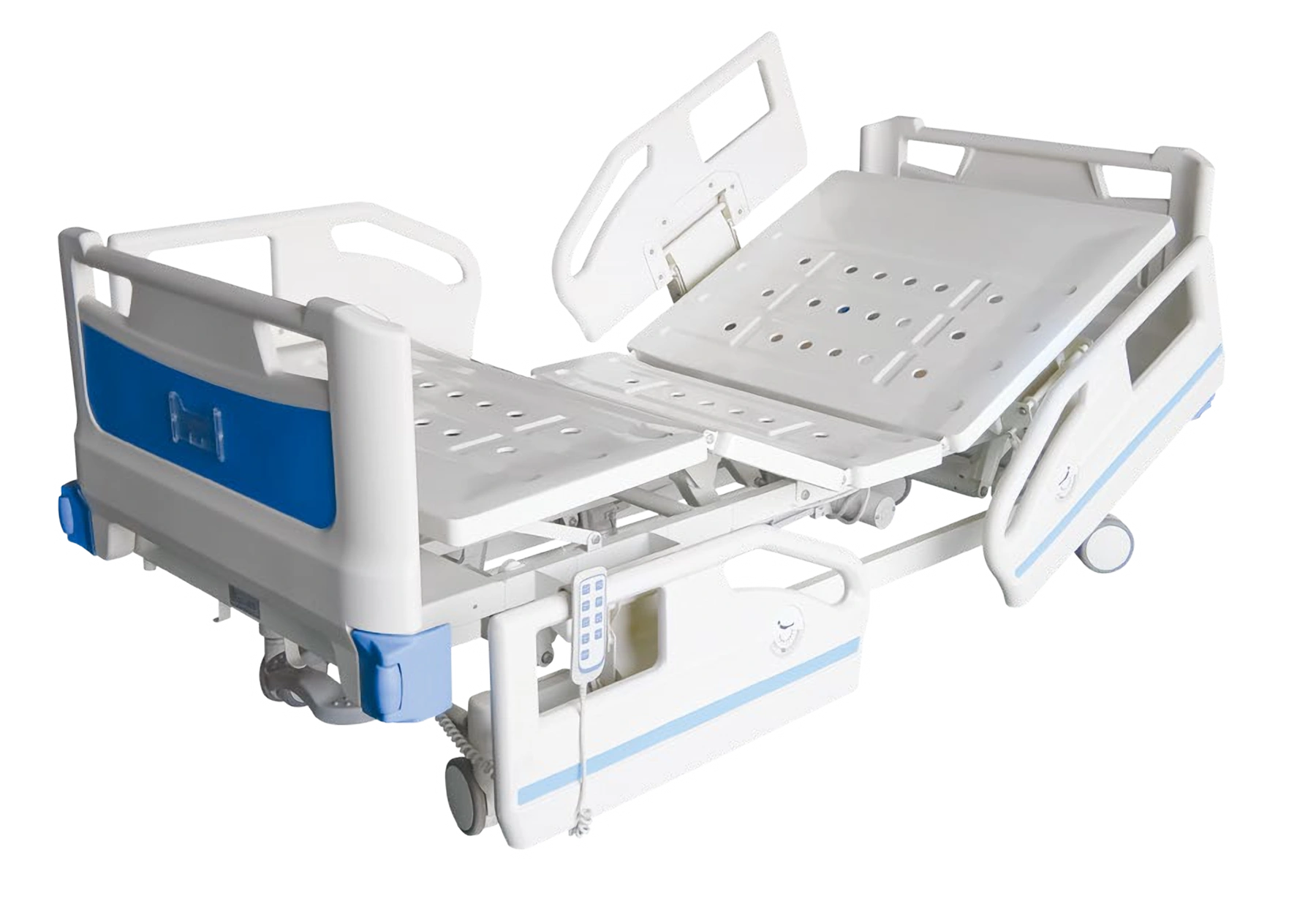
Hospital Beds
General-purpose patient beds for inpatient wards and standard hospital rooms.
View product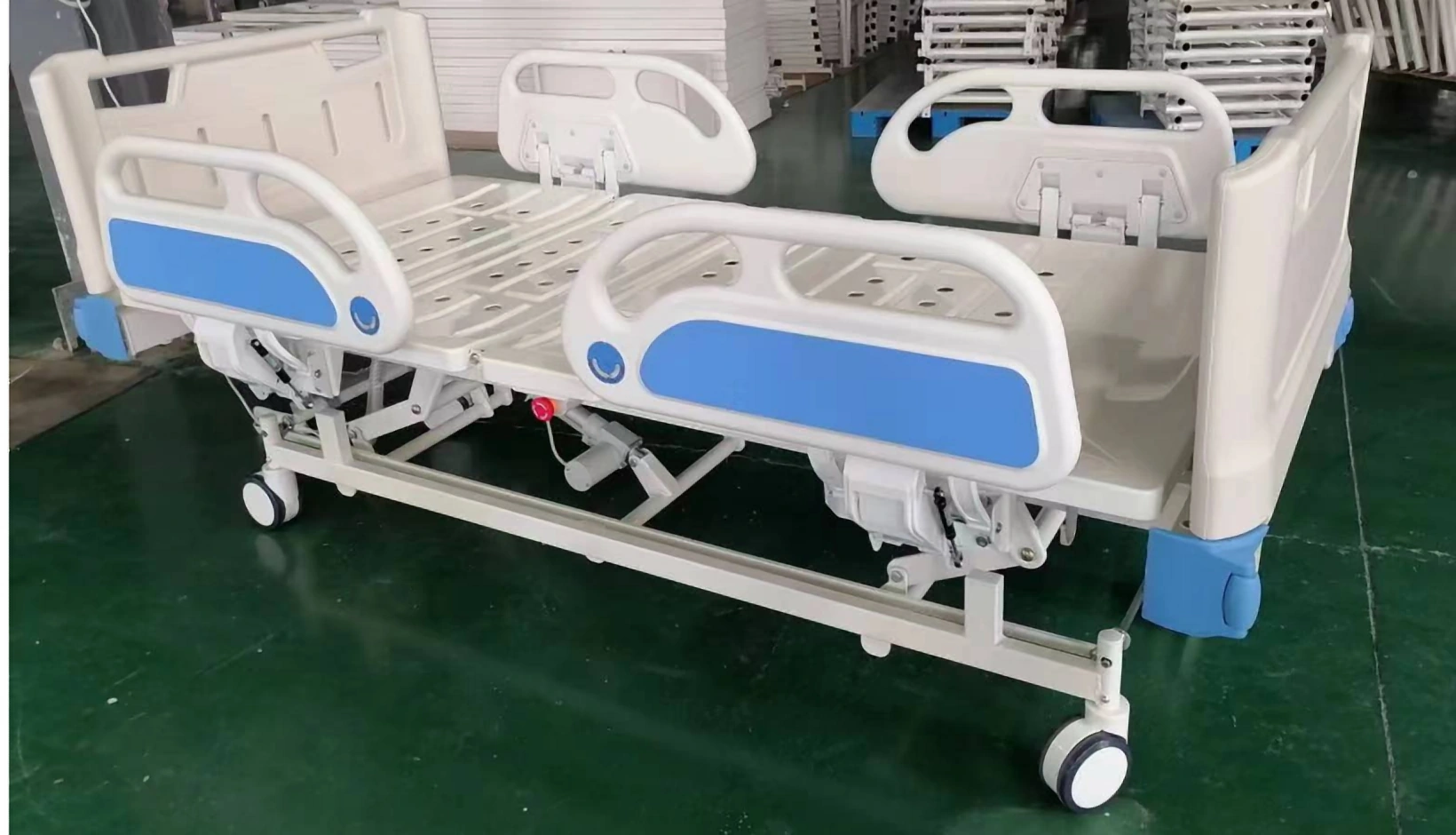
Electric Hospital Beds
Motorized multi-function beds with electric height, backrest, and leg adjustment options.
View product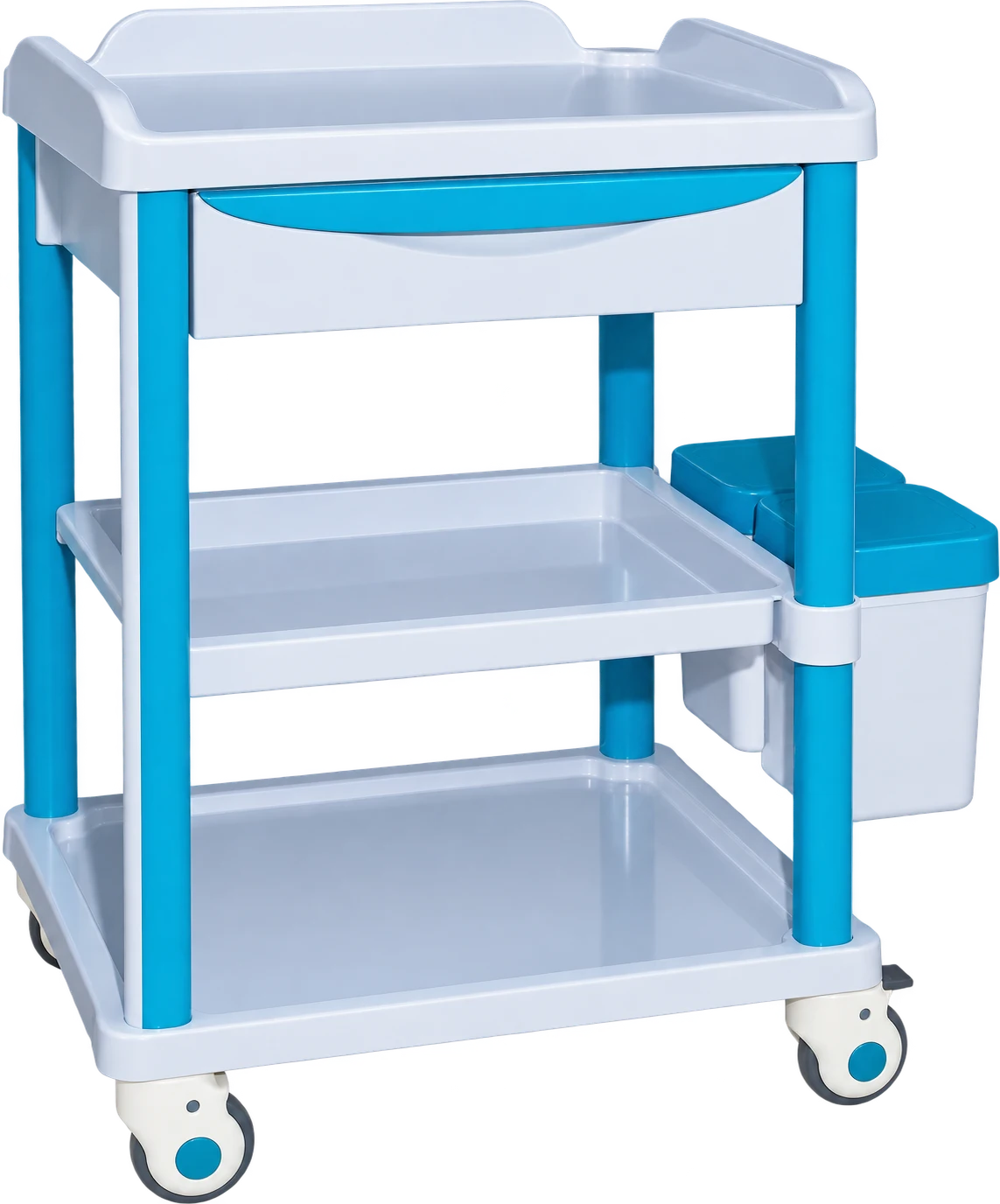
Medical Trolleys
Mobile carts for nursing rounds, treatment supplies, medicines, and clinical tools.
View product