
You have two quotations for the furniture needed to equip your new clinic. The product photos look identical, but Quote A is 15% cheaper per item than Quote B. It feels like you have found a great deal.
That is usually where the procurement risk starts.
The cheapest initial quote can become the most expensive option once you account for shipping volume, missing accessories, weak packing, assembly work, and delayed opening costs. Before comparing unit prices, first verify that both suppliers are quoting the same configuration, packing volume, accessory scope, and project support.
A clinic furniture order should be treated as a project plan, not a product catalog. The safer approach is to move from unit-price comparison to total project risk control: room function, product configuration, included accessories, packing volume, delivery timeline, and supplier coordination.
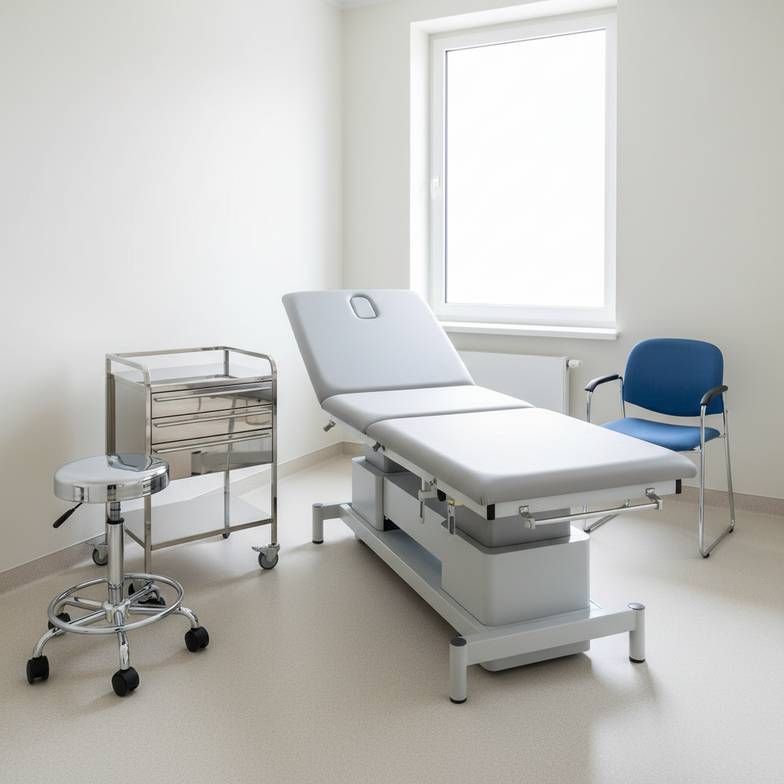
Why Can the "Cheapest" Furniture Quote Become the Most Expensive Option?
A low unit price often hides costs that move elsewhere: freight, accessories, replacement, assembly, or project delay. I would not compare two clinic furniture quotations until the product configuration, packing method, carton CBM, accessory list, and delivery basis are clear.
When you are setting up a new facility, the unit price on a quotation is only the starting point. A quotation may look cheaper because the supplier quoted a basic model, removed accessories, used weaker packing, or provided no carton data.
This is why two similar product photos can create very different real costs.
A buyer may compare two examination tables by photo and unit price. The lower price looks attractive. But if that table ships fully assembled, uses larger cartons, excludes the paper roll holder, and needs stronger local assembly support after arrival, the real cost may be higher than the “expensive” quotation.
The final cost is usually affected by three details that are often missing from a simple price list.
1. Shipping Volume (CBM): Ocean freight for bulky items is calculated by volume, not only by weight. A cheaper examination table that ships fully assembled may take much more space than a knock-down model. The freight difference can erase the unit-price saving.
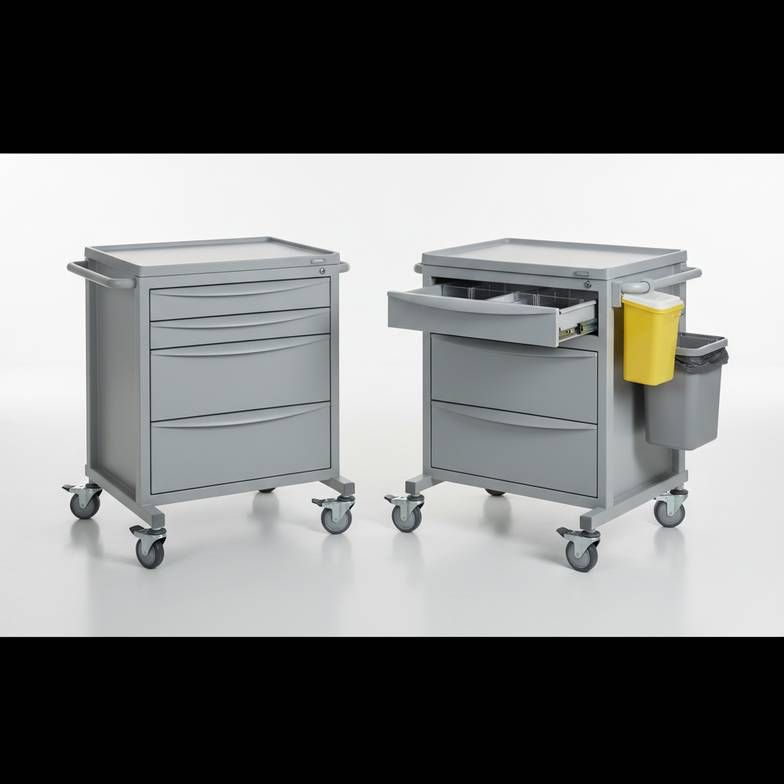
2. Missing Accessories: A marketing photo may show a medical trolley with drawer dividers, a waste bin, a sharps container holder, and an IV pole. But the quoted price may only include the basic trolley. If the buyer does not separate standard and optional accessories before order confirmation, the clinic may receive a product that looks correct but does not work for daily use.
3. Weak Export Packing: For a multi-item clinic order, goods may be handled several times before reaching the final site. Thin cartons, weak corner protection, or unclear packing marks can turn a cheaper order into a damage claim, replacement delay, or opening-date problem.
Here is a simplified example. The numbers are only for comparison logic, not fixed market pricing.
| Detail | Supplier A: Cheaper Unit Price | Supplier B: Higher Unit Price |
|---|---|---|
| Item | Examination Table | Examination Table |
| Unit Price (FOB) | $450 | $480 |
| Packing Method | Assembled | Knock-Down (KD) |
| Carton CBM | 2.0 CBM | 0.8 CBM |
| Estimated Freight Cost per Unit | $200 | $80 |
| Total Landed Cost per Unit | $650 | $560 |
In this example, the lower unit price is not the lower project cost. Before treating any quote as competitive, ask the supplier for packed size, gross weight, total CBM, packing method, and accessory scope in writing.
What Should I Prepare Before Asking Suppliers for a Quotation?
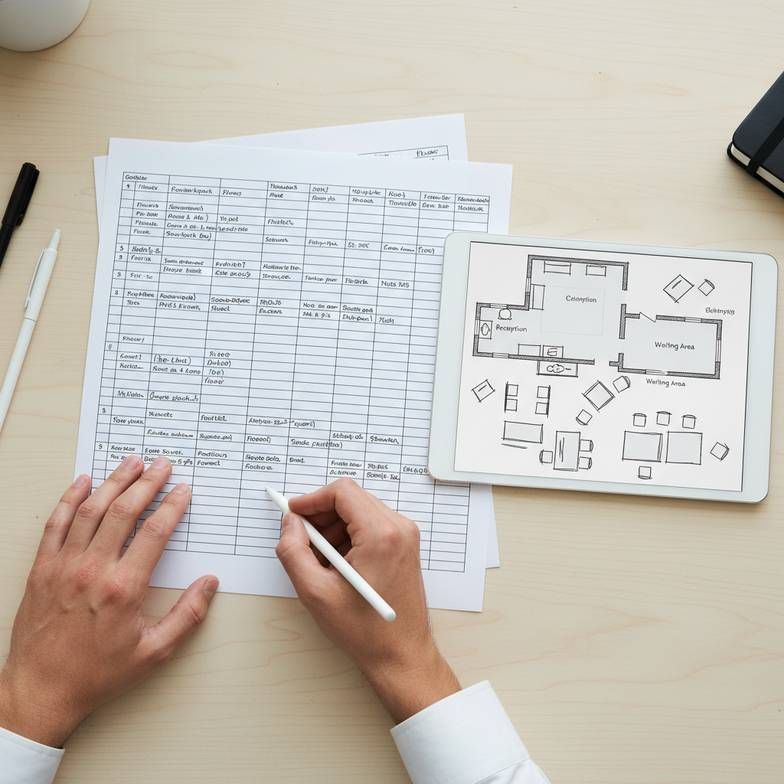
Before contacting suppliers, prepare a room-by-room functional plan instead of a generic shopping list. A list of product names is not enough for a responsible quotation because the supplier still needs to know how each item will be used.
A request such as “5 exam tables and 3 medical trolleys” usually leads to basic quotations. The supplier may quote the lowest standard model because the use scenario is unclear.
A clinic furniture project needs a different approach.
Start from the room function. An exam room, treatment room, waiting area, nurse station, consultation room, and storage area do not need the same furniture configuration. Even if the product name is the same, the required material, accessories, mobility, lock method, and cleaning surface may be different.
Before asking for price, prepare a simple planning table.
| Room Name | Primary Function | Furniture Needed | Critical Features Required | Quantity |
|---|---|---|---|---|
| Exam Room 1 | General patient check-ups | Examination table | Adjustable backrest, paper roll holder, easy-clean surface | 1 |
| Exam Room 1 | Doctor seating | Doctor's stool | Height adjustable, casters, stable base | 1 |
| Exam Room 1 | Patient / visitor seating | Visitor chair | Easy-clean surface, armrests if needed | 2 |
| Waiting Area | Patient intake and waiting | Reception desk | Lockable drawers, counter space, cable management | 1 |
| Waiting Area | Patient seating | Waiting bench | Durable surface, easy cleaning, stable frame | 4 |
| Nurse Station | Vitals and supply storage | Medical trolley | Drawer layout, dividers, lock, suitable casters | 1 |
| Treatment Room | Blood draw or treatment | Phlebotomy chair | Adjustable armrests, stable base, washable upholstery | 1 |
This planning document gives the supplier enough context to quote the correct model instead of guessing from a product name.
Which Clinic Furniture Details Should Be Confirmed Before Production?
A clinic furniture order should not move into production until the key product configurations are fixed in writing. Photos can show the general style, but they do not confirm material, size, accessories, locks, casters, cleaning surface, assembly method, or packing data.
This is where many clinic furniture projects become risky.
A buyer may approve a product photo and think the order is clear. But the factory still needs exact confirmation. What type of surface is used on the exam table? Is the backrest manual or electric? Are the trolley drawers lockable? Are drawer dividers included? Are the casters silent or standard? Does the cabinet need adjustable shelves? Is the reception desk shipped assembled or knock-down?
These details decide whether the furniture will match the clinic workflow after arrival.
Before production, confirm product-level specifications item by item.
| Product Type | Details to Confirm Before Production | Why It Matters |
|---|---|---|
| Examination Table | size, backrest adjustment, upholstery surface, paper roll holder, load-bearing requirement, packing method | A photo may not show function, comfort, cleaning surface, or shipping volume |
| Medical / Treatment Trolley | drawer layout, lock method, caster size, brake type, ABS or stainless top, dividers, waste bin, optional holders | A basic trolley may look similar but work very differently in daily use |
| Medicine Cabinet / Storage Cabinet | material, shelf layout, lock type, glass or solid door, wall-mounted or floor-standing design | Wrong layout can reduce storage efficiency or create installation problems |
| Waiting Chair / Bench | frame material, seat surface, cleaning surface, armrest design, assembly method | The chair must match cleaning needs, patient traffic, and installation space |
| Phlebotomy Chair | armrest adjustability, stability, foam density, upholstery surface, footrest if needed | Function and patient comfort matter more than appearance alone |
| Reception Desk | dimensions, drawer layout, cable holes, counter height, color finish, KD or assembled packing | A desk that looks good in a picture may not fit workflow or room layout |
A serious quotation should not only list product names. It should clearly state what is included, what is optional, and what must be confirmed before production.
If the supplier only quotes “medical trolley” or “exam table” without configuration details, ask for a specification sheet before comparing price.
How Do I Compare Two Clinic Furniture Quotes Fairly?
Do not compare the unit prices yet. First, use a comparison matrix to verify that both suppliers are quoting the same configuration, included accessories, packing method, carton CBM, and delivery basis. A vague quotation is a warning sign, not a bargain.
Once you have your project plan, send the same document to each supplier. When the quotes come back, your job is to check whether the quotation basis is the same.
A detailed quote does not only protect the supplier. It protects the buyer. It reduces misunderstanding before sample approval, bulk production, packing, and delivery.
Use a matrix like the one below for each important item.
| Comparison Point | Supplier A Quote | Supplier B Quote | Buyer's Check |
|---|---|---|---|
| Item | Medical trolley | Medical trolley | Same product name |
| Unit Price (FOB) | $280 | $310 | A looks cheaper |
| Configuration | Steel body, ABS top | Steel body, ABS top | Similar base |
| Casters | Standard 3-inch casters | 4-inch silent casters, 2 with brakes | B fits clinical movement better |
| Included Accessories | None | Drawer dividers, waste bin | B includes more |
| Optional Accessories | All priced separately | All priced separately | Need written list |
| Lock Method | Not stated | Central lock stated | A is incomplete |
| Packing Method | Assembled | Assembled | Same |
| Carton CBM | Not provided | 0.45 CBM | A freight cost unclear |
| Spare Parts | Not stated | Casters and drawer slides available | B has clearer after-sales basis |
After filling this out, Supplier B may no longer look more expensive. It may simply be quoting a more complete and safer product basis.
The point is not to choose the higher price. The point is to compare the same product basis before deciding which price is actually better.
What Logistical Details Can Delay My Clinic's Opening Date?
The production lead time on a quote is not your delivery date. Before confirming the order, ask for the full timeline: production, packing, sea freight, customs clearance, local delivery, and assembly preparation.
The biggest risk in a new clinic setup is not always product price. It is delayed opening.
A supplier may write “45 days production lead time.” That does not mean the furniture will arrive at your clinic in 45 days. You still need to add packing, shipment booking, sea transit, customs clearance, inland delivery, and on-site setup.
For clinic furniture procurement, check these details early.
1. Total Delivery Timeline: A 45-day production lead time can become 80 to 100 days before the furniture reaches the clinic, depending on shipping route, customs, and local delivery.
2. Multiple Supplier Risk: Buying chairs from one supplier, exam tables from another, cabinets from another, and trolleys from another may look cheaper at first. But then the buyer must manage different packing data, different shipping schedules, different documents, and different delivery dates. The small price saving can turn into coordination cost and opening delay.
3. Assembly on Arrival: If the furniture ships knock-down, confirm whether assembly instructions, videos, hardware, and spare screws are included. Receiving many flat-packed cartons without clear instructions can slow down installation.
4. Packing Marks and Room Sorting: For a clinic project, cartons should be easy to identify by room or item type. If all cartons arrive without clear marks, the site team may waste time sorting furniture during installation.
A project-focused supplier should help the buyer see the whole chain, not only the product price. The quotation should make delivery risk visible before the purchase order is confirmed.
What Should Buyers Confirm Before Placing the Final Order?
Before placing the order, the buyer should have one written confirmation document that matches room use, product configuration, included accessories, packing data, delivery timeline, and responsibility boundaries. Without this, the quotation may look complete but still leave too many decisions unresolved.
This final check is where a clinic furniture order becomes safer.
Before confirming production, review the project as one complete package instead of separate product lines. The goal is to make sure the supplier, buyer, freight forwarder, and installation team are working from the same information.
Use this final confirmation checklist before placing the order:
- [ ] Room-by-room furniture list is confirmed.
- [ ] Product quantities match the floor plan.
- [ ] Product sizes are suitable for each room.
- [ ] Materials and surface finishes are confirmed.
- [ ] Exam table configuration is written clearly.
- [ ] Medical trolley drawer layout, lock method, casters, and accessories are confirmed.
- [ ] Cabinet shelves, doors, locks, and installation method are confirmed.
- [ ] Waiting chair or bench materials and cleaning surfaces are confirmed.
- [ ] Reception desk dimensions, drawer layout, and cable needs are confirmed.
- [ ] Standard accessories and optional accessories are separated in the quotation.
- [ ] Packing method is confirmed for each item.
- [ ] Carton size, gross weight, and CBM are provided.
- [ ] Production lead time and estimated delivery timeline are separated.
- [ ] Assembly requirements are clear.
- [ ] Spare parts or replacement part availability is confirmed where relevant.
- [ ] Trade term and delivery responsibility are written clearly.
- [ ] Final specification sheet is approved before production starts.
If these points are not clear, do not rush the purchase order. The safer move is to ask the supplier to update the quotation and specification sheet first.
Final Procurement Advice
Clinic furniture procurement should not be treated as a simple product-price comparison.
The safer method is to start with room function, define product configuration, separate standard and optional accessories, check packing volume, and confirm the full delivery timeline before production begins.
A low unit price can be useful only when the quotation basis is clear. If the supplier has not confirmed configuration, accessories, packing, CBM, and delivery responsibility, the price is not ready for serious comparison.
If you are preparing a project order for a new clinic or outpatient facility, start by creating your room-by-room functional plan. At CareFurnex, when buyers provide room use, product quantities, required features, packing expectations, and delivery requirements, the quotation can be built around the actual clinic project instead of a vague product list.
Written by
CareFurnex Team
CareFurnex Team shares practical knowledge about hospital beds, patient room furniture, medical trolleys, clinic furniture, and healthcare facility procurement for international B2B buyers.
Related Products

Ward Furniture
Complete ward furniture options for patient rooms and hospital care areas.
View product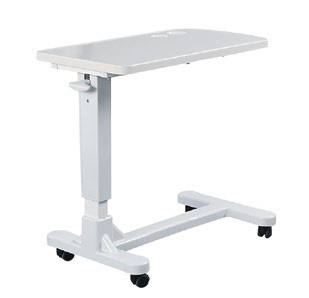
Overbed Tables
A mobile bedside dining table with a rectangular light-colored top, an offset upright and a low wheeled base. Review the visible layout, then confirm table dimensions, working height and bed clearance for your room plan.
View product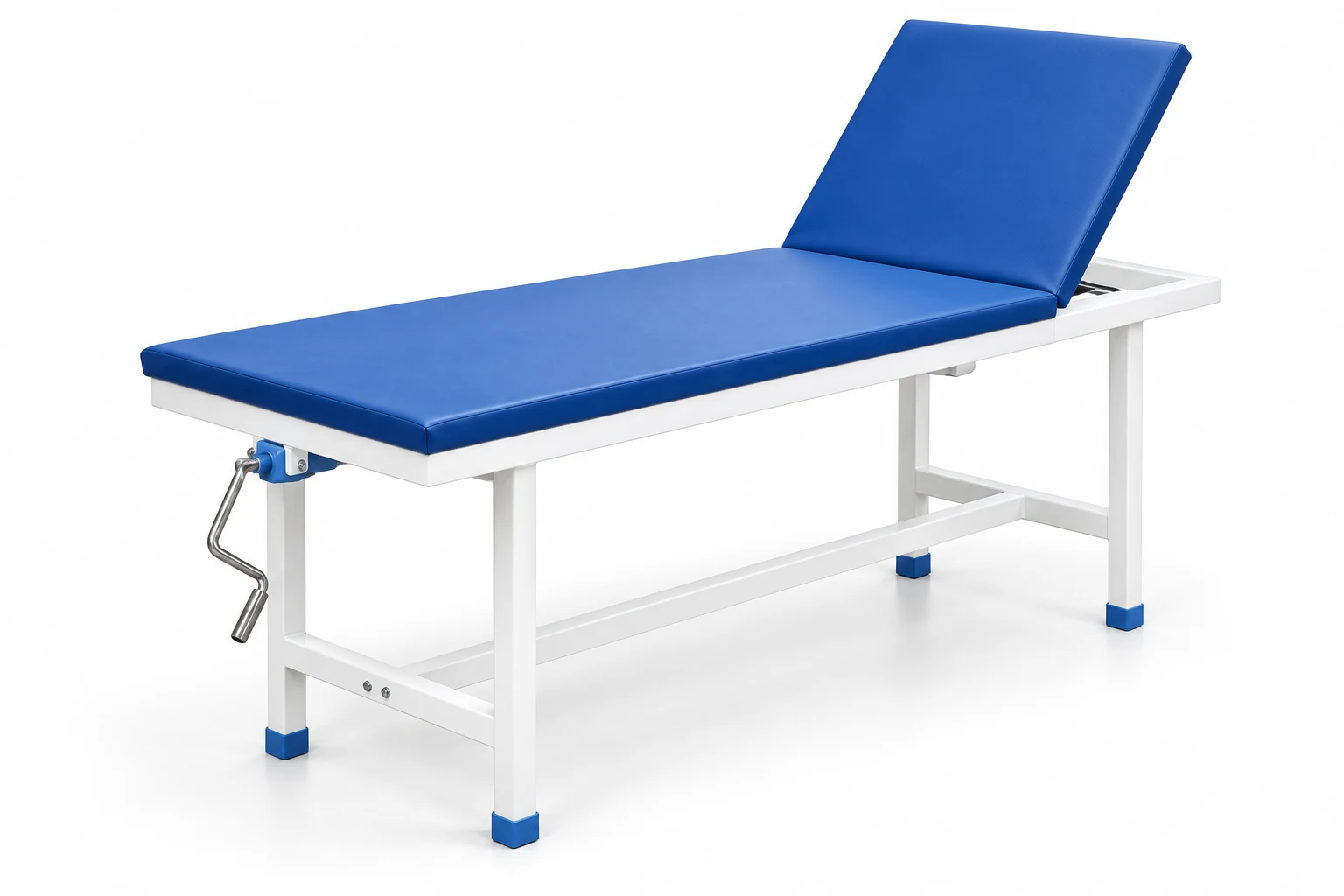
Examination Tables
Compare examination tables by model, stated dimensions and configuration.
View product