
You have two quotations for chemo infusion chairs on your desk. One is 15% cheaper than the other. The photos look nearly identical, and both suppliers seem reputable. It's tempting to go with the lower price, but for high-use equipment like this, a significant price difference is often a signal to slow down and check what’s missing.
The problem is that a product photo and a unit price don't tell the whole story. The real cost and long-term value of an infusion chair are hidden in the details that aren't immediately visible—details that directly impact your staff's workflow, your patients' comfort, and your facility's maintenance budget. The better question isn't "Which chair is cheaper?" but "Which quote provides a complete solution for our clinical needs?"
Before ordering chemo infusion chairs, buyers should check the motor configuration to match clinical workflow needs, confirm the upholstery's resistance to your facility's specific cleaning agents, get an itemized list of all included and optional accessories, and verify the packing method and CBM to calculate the true landed cost.
These are practical procurement planning principles, not a substitute for clinical or regulatory consultation. Buyers should confirm all material, safety, and functional requirements with their facility's clinical, compliance, and infection control teams before finalizing an order.
Why Comparing Infusion Chair Prices Can Be Misleading
When a procurement manager focuses only on unit price, they are often comparing apples to oranges. A lower price might not reflect a better deal, but rather an incomplete or lower-specification product.
For example, a photo doesn't show you whether a chair has two motors or three. That one-motor difference often accounts for electric height adjustment—an important feature for helping patients in and out of the chair and helping reduce ergonomic strain on your nursing staff. A supplier might quote a 2-motor chair to present a more attractive initial price, but your facility ends up with equipment that makes daily tasks harder.
The real comparison begins when you move past the price and start asking about the chair's core components and how they align with your operational reality.
How Do Motor Functions Affect Your Staff's Daily Workflow?
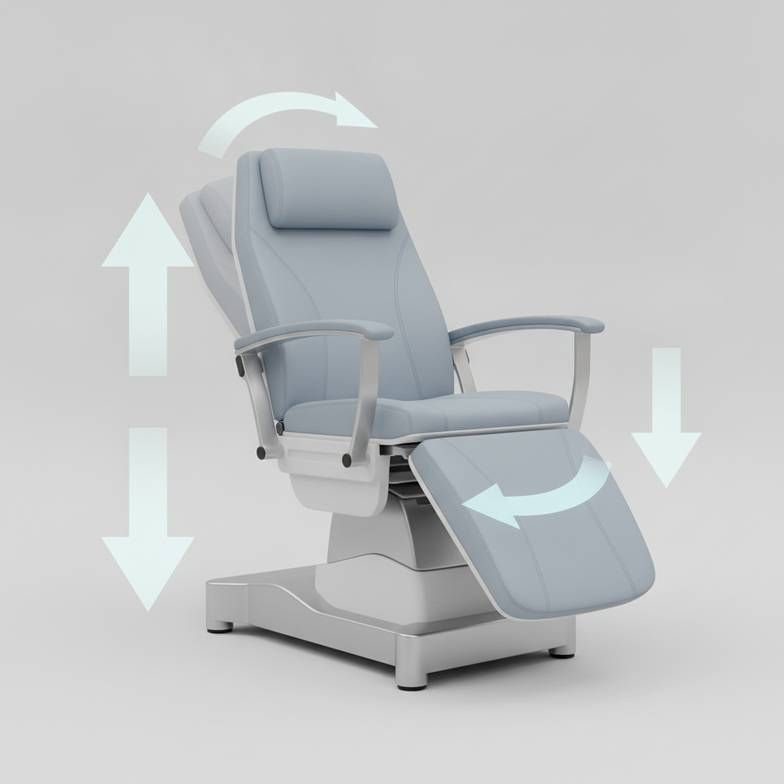
Thinking of motors as a luxury feature is a common misjudgment. Each motor corresponds to a specific clinical function that impacts both staff efficiency and patient experience.
- 2-Motor Chairs: Typically adjust the backrest and leg rest. This is the baseline for patient comfort and repositioning during long sessions.
- 3-Motor Chairs: Add electric height adjustment. This is an ergonomic tool. It allows staff to raise the chair to a comfortable working height for procedures and lower it for safe patient entry and exit, which can help reduce back strain.
- 4-Motor Chairs: Often add the Trendelenburg (or reverse Trendelenburg) position, which is designed to support specific clinical protocols.
When building your specification, don't just ask for an "electric chair." Define the functions your clinical team needs. If your staff regularly assists patients with transfers, a 3-motor chair with height adjustment can be a valuable feature for a more efficient workflow. One useful check is to ask suppliers to specify the motor brand (e.g., Linak, Timotion) as an indicator of quality and service life.
What Makes Upholstery Suitable for an Oncology Unit? (And How to Check)
The claim "medical-grade vinyl" is too vague to be useful. In a high-traffic oncology unit, upholstery often faces significant chemical stress from disinfectants, which can be a primary cause of material degradation alongside physical wear. Your facility's cleaning and disinfection protocols use agents that can cause standard vinyl to crack, peel, or harden over time. This not only looks unprofessional but may also create surface irregularities that are more difficult to clean, which is a consideration for infection control.
One practical way to reduce risk is the Disinfectant Compatibility Check.
1. List Your Chemicals: Before you request a quote, compile a list of the exact names of the disinfectants and wipes used in your facility. 2. Request Confirmation: Send this list to potential suppliers and ask for a written statement or technical data sheet confirming their proposed upholstery is resistant to these specific chemicals.
This simple step moves you beyond marketing terms and helps verify that the chair can withstand your real-world operational environment. Also, ask about the foam underneath. For patients undergoing infusions that last 4-6 hours, high-density foam is important for providing long-term support and preventing discomfort.
Quotation Checklist: A Practical Table for True Comparison
Use this checklist to build your Request for Quotation (RFQ) and to evaluate the proposals you receive. It helps all suppliers provide the details you need for a true, like-for-like comparison.
Final Quotation Checklist for Chemo Infusion Chairs
| Quotation Item | What to Confirm with Supplier | Why It Matters for Cost & Usability |
|---|---|---|
| Chair Model | Number of motors (e.g., 2, 3, 4) and their functions (back, leg, height, Trendelenburg). Motor brand if possible. | Height adjustment (3+ motors) can help reduce staff strain. Motor quality affects service life. |
| Upholstery | Material specification (e.g., PU, PVC), and confirmation of resistance to your facility's list of disinfectants. | Mismatched material can crack or discolor from cleaning, which can create infection control concerns and require costly reupholstery. |
| Foam | Foam density and thickness. | Higher density foam provides better long-term comfort for patients during multi-hour infusions and resists compression. |
| Accessories | Is the IV pole, side table, paper roll holder, and remote control included in the price or costed separately? | Unlisted accessories are a common source of budget overruns and project delays. |
| Frame & Casters | Steel frame construction details, safe working load (SWL), and caster type (e.g., central locking, individual brakes). | Helps confirm the chair can support the patient population and is easy for staff to move and secure. |
| Packing | Packing method (fully assembled or knock-down), carton dimensions (L x W x H), and cubic meters (CBM) per chair. | Determines the final shipping cost and whether on-site assembly labor is required. |
How Does Packing Method Influence Your Total Project Cost?
The unit price in a quote rarely reflects the total landed cost. A significant factor, especially for international shipments, is the packing method.
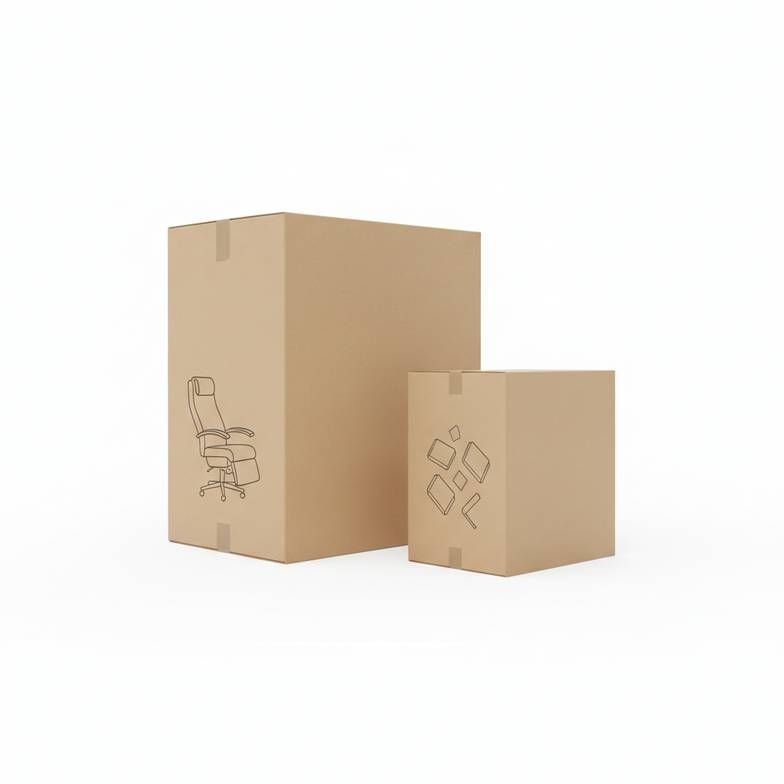
- Fully Assembled: The chair arrives ready to use. This saves time and labor at your facility but results in a larger packing carton. The higher Cubic Meter (CBM) volume means higher freight costs per unit.
- Knock-Down (KD): The chair is shipped in a more compact box, requiring assembly on-site. This can reduce the CBM and lower freight costs. However, it creates an "indirect cost"—the time your maintenance or clinical staff must spend on assembly.
There is no single "best" option. The right choice depends on your project. If you need the chairs deployed quickly or lack available staff for assembly, the higher freight cost for fully-assembled chairs may be justified. If you are trying to maximize a container's space and have a team ready for assembly, KD packing can offer savings. Always ask suppliers for the CBM of both options to make an informed decision.
What to Prepare Before You Ask for a Quotation
A vague inquiry like "price for 20 infusion chairs" will likely get you a vague and unreliable quote. A supplier can give you a more comprehensive proposal when you provide clear specifications. Preparing these details upfront signals that you are a serious buyer and makes the quotes you receive truly comparable.
To get a reliable quotation for chemo infusion chairs, please prepare the following details:
1. Required Motor Functions: (e.g., back/leg adjustment, height adjustment, Trendelenburg position). 2. Upholstery Requirements: Include a list of your facility's primary cleaning agents/disinfectants. 3. Accessory Checklist: A list of all accessories you need (e.g., IV pole, side table, paper roll holder). 4. Quantity and Project Timeline: The number of chairs needed and your target delivery schedule. 5. Packing Preference: Note if you prefer fully-assembled or can accept knock-down packing.
Sending these details allows a supplier to provide a proposal that addresses your clinical, operational, and logistical needs, turning a confusing price comparison into a clear procurement decision.
Written by
CareFurnex Team
CareFurnex Team shares practical knowledge about hospital beds, patient room furniture, medical trolleys, clinic furniture, and healthcare facility procurement for international B2B buyers.
Related Products
Infusion Carts
Carts for organizing infusion supplies in treatment rooms, clinics, and wards.
View product
Infusion Chairs
Comfortable patient chairs for infusion rooms, treatment areas, clinics, and wards.
View product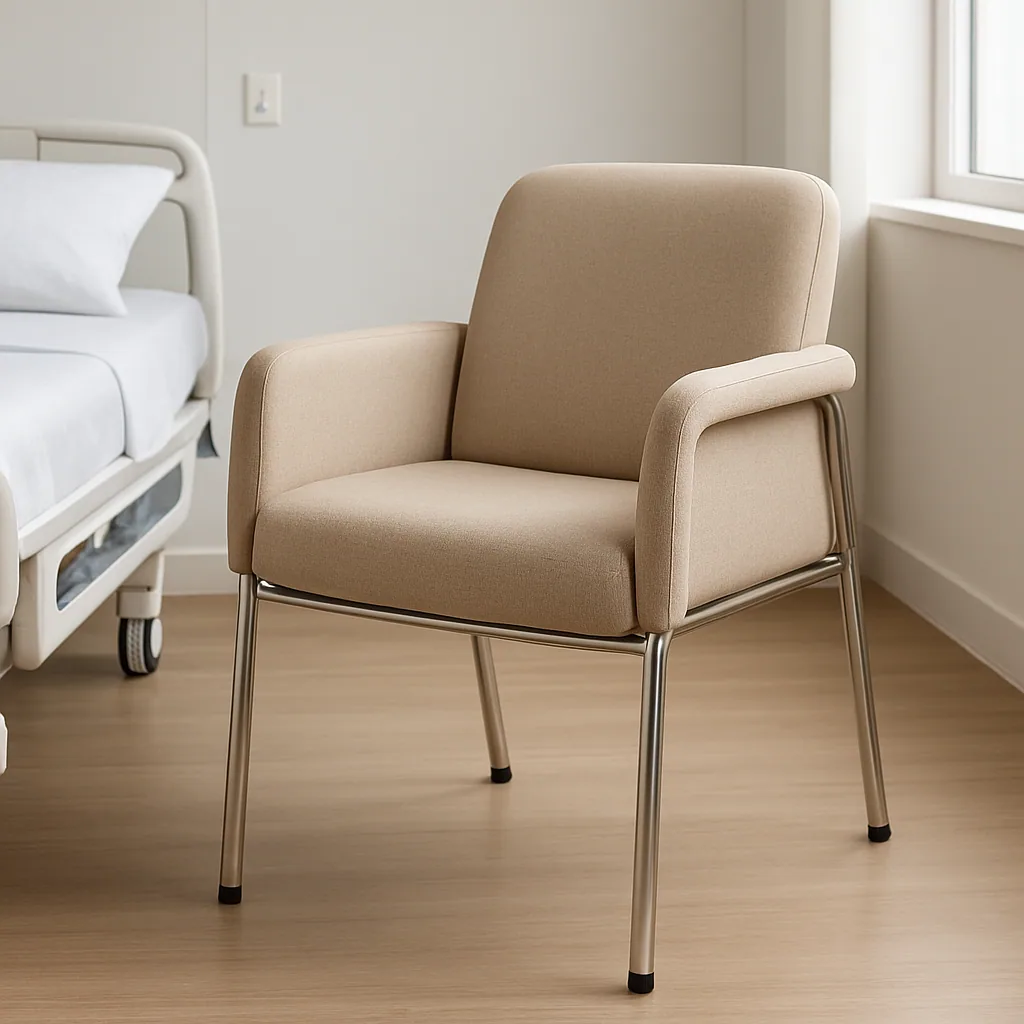
Patient Chairs
Patient seating for ward rooms, recovery areas, waiting areas, and healthcare facilities.
View product